
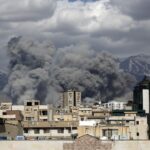
The current turbulent times have made international relations increasingly unpredictable. They are increasingly influenced by conflict, coercion, and the decline of the norms that once governed state behavior. The escalating confrontation between the United States and Iran has brought into sharp focus the reality that the so-called rules-based international order is under severe strain, if not already in decline. The ceasefire has offered a brief but necessary pause, yet deep mistrust and competing strategic postures threatened to unravel that fragile progress.
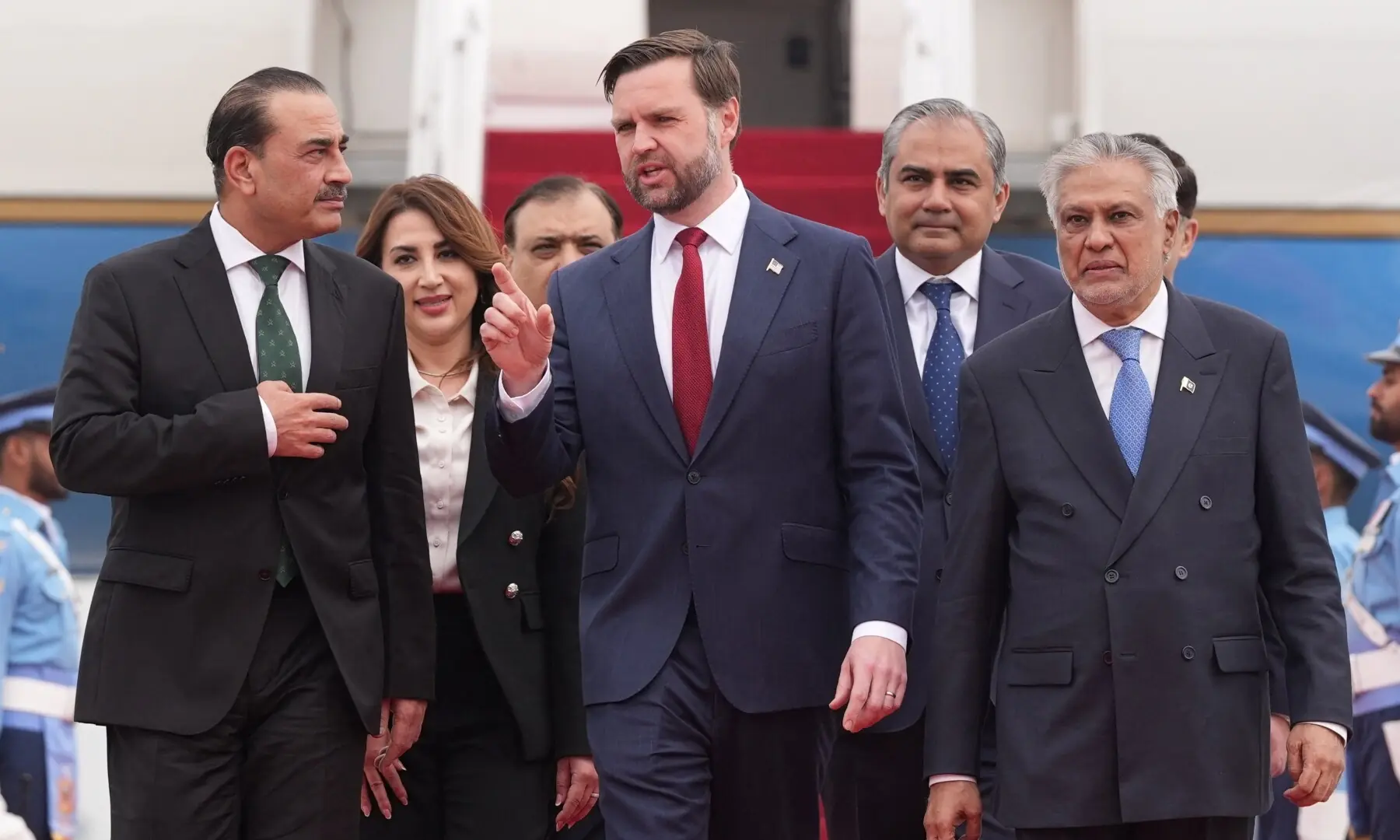
Pakistan has emerged as an important diplomatic bridge between Washington and Tehran. ISLAMABAD HAS BECOME THE CENTER OF WORLD ATTENTION. Building on a long tradition of mediation, from facilitating the 1971 U.S.- China opening to supporting the Geneva Accords and later the Doha process, Islamabad leveraged its policy of neutrality and regional stabilization to help secure the April 21 ceasefire extension and preserve space for dialogue.
The Islamabad Talks on April 11–12, 2026, marked the first direct high-level engagement between the United States and Iran since the 1979 Iranian Revolution. Although no final agreement was reached, the talks laid the groundwork for ongoing negotiations. The global political leadership appreciates the efforts of Prime Minister Shehbaz Sharif and Chief of Defence Forces Field Marshal General Asim Munir in establishing a reliable channel for dialogue. It is because of their untiring efforts that the ceasefire, tenuous at best, was extended to give more time for talks to end the crisis.
Ceasefires can reduce immediate tensions, but they cannot by themselves secure lasting peace. Sustainable stability requires addressing the deeper drivers of conflict — security concerns, questions of sovereignty, regional influence, and ideological rivalry. Without a broader political framework capable of managing these underlying disputes, the possibility of renewed confrontation will remain significant.
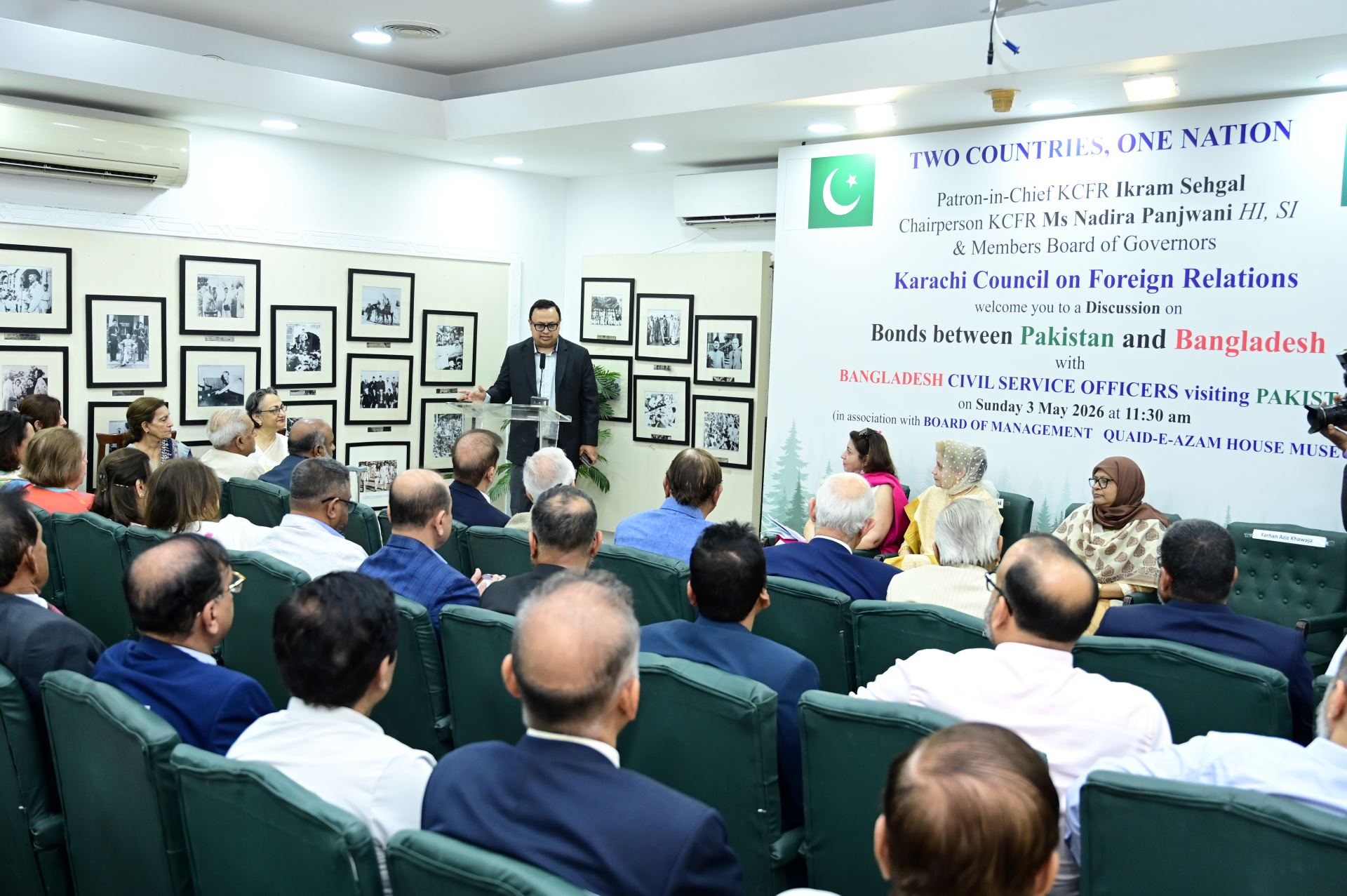
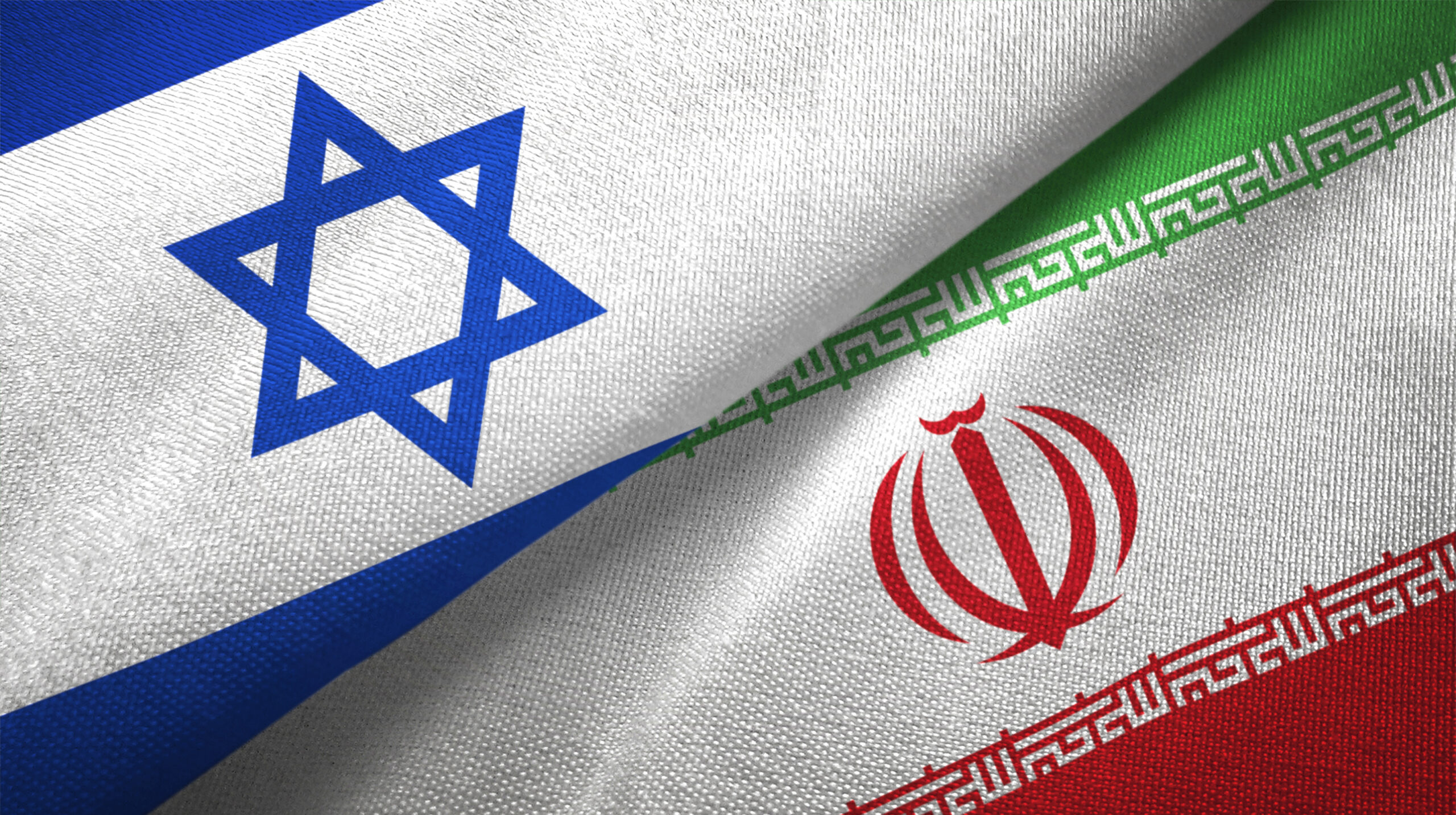
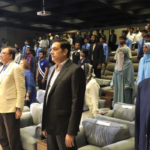
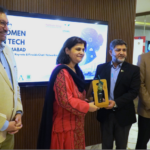
The ideological, political, and strategic differences between Iran and Israel create a constant state of low-intensity warfare, which occasionally escalates into open confrontation. I recently spoke at the seminar titled “Conflict in the Middle East,” hosted by the Karachi Council on Foreign Relations (KCFR). The discussions revealed not only an analysis of a regional conflict but also a deeper understanding of a systemic breakdown with far-reaching implications for Pakistan and the broader Muslim world.
Speaking at the seminar, Chairperson KCFR, Nadira Panjwani described the unfolding situation in the Middle East as more than a conflict. She characterized it as a global crisis with profound humanitarian and strategic consequences. Her emphasis on the erosion of sovereignty, the collapse of multilateralism, and the failure of collective responsibility within the Muslim world reflects a sobering reality.
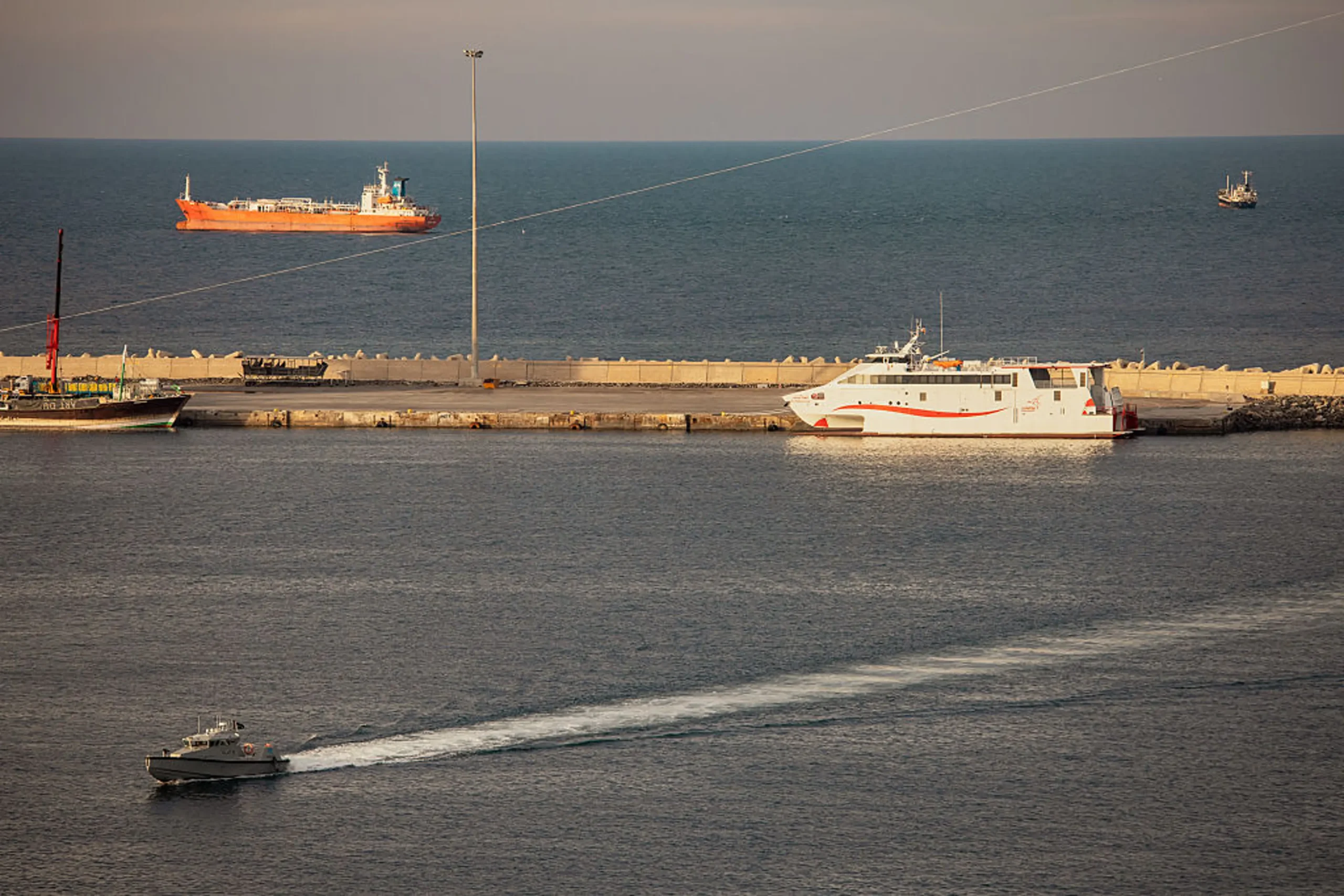
From a strategic perspective, Ambassador Zamir Akram placed the crisis within the broader transformation of the global order. He traced its roots to the post-Cold War unipolar moment, where unchecked dominance shaped a pattern of interventions and conflicts. The long-standing tensions between Washington and Tehran, since the 1979 Iranian Revolution, are central to understanding the present confrontation. His analysis emphasized Israeli strategic objectives in shaping policy and Iran’s growing use of asymmetrical warfare. He noted that the Strait of Hormuz has become a critical point in this conflict, with its potential closure serving as both a military tool and a global economic shock capable of disrupting energy flows and financial stability.
My remarks at the seminar focused on what lies ahead rather than revisiting the origins of the conflict. The nature of this war demonstrates that traditional assumptions about military outcomes are increasingly outdated. Iran’s decentralized command structure, widely dispersed in urban areas, mountain ranges and desert locations, etc., developed over decades, has ensured continuity of resistance despite targeted strikes on its leadership. This reflects a level of strategic foresight that complicates any expectation of rapid regime collapse. What we are witnessing is not a conventional war, but a sustained and adaptive conflict – one that blends conventional capabilities with guerrilla tactics and asymmetric responses.
The U.S.-Iran confrontation carries consequences far beyond the battlefield. It has already triggered volatility in global energy markets, disrupted supply chains, and intensified economic uncertainty across interconnected economies. For an energy-importing country like Pakistan, sustained increases in oil prices translate directly into inflation, fiscal pressure, and slower economic growth, underscoring how deeply geopolitics and economics are now intertwined. In many ways, this reflects the modern reality of “geoeconomics,” where trade routes, energy corridors, and financial leverage have become instruments of strategic competition alongside military power. The crisis is also reshaping the calculations of major powers. China’s calibrated response to the crisis also reflects the emergence of a more competitive multipolar order. Beijing seeks regional stability to protect energy flows and Belt and Road investments while avoiding direct entanglement in Middle Eastern rivalries. For Pakistan, positioned at the crossroads of South Asia, Central Asia, and the Middle East, this changing landscape presents both opportunity and risk. Geography can either make Pakistan a bridge for regional connectivity or expose it to the spillover effects of great-power rivalry. If the conflict expands into a wider regional confrontation, Pakistan’s strategic relevance will inevitably grow. This places a premium on strategic clarity, diplomatic balance, and national preparedness.
In 2002, I was privileged to deliver the first-ever lecture on “National Security Strategy of Pakistan” in the National Defence College (NDC), Islamabad. NDC shortly thereafter became the National Defence University (NDU). With the world having seen a sea change since then, I have the world in a more comprehensive study (Vol 16 of my series), which is under publication in Topical Printing, Lahore. The destiny changer, among many other “out-of-the-box” recommendations, is the development of PASNI as a greenfield project. The exhaustive study is in this month’s DJ.
At such a critical juncture, Pakistan must think beyond immediate crisis management and prepare for a rapidly changing regional order. The Pakistani leadership must avoid reactive policymaking and instead pursue a long-term strategy grounded in economic resilience, regional connectivity, and strategic autonomy. As alliances shift and the distinction between war and peace becomes increasingly blurred through proxy conflicts, sanctions, cyber warfare, and economic coercion, the challenge for Islamabad is not merely to navigate instability but to convert uncertainty into strategic opportunity. In a fragmented world, Pakistan’s greatest strategic strength may lie not only in its geography or military capability, but in its ability to remain a credible voice for dialogue, balance, and regional stability.
My good friend and colleague in PATHFINDER GROUP, Maj Aurangzaib Afridi, left us for his eternal journey. His mind was razor sharp till the end, from his sick bed, he would bombard me with detailed messages recommending tremendous ideas on how to improve the quality of services being rendered by the GROUP. His demise is not only a loss for Ayesha, his beloved wife, but for all of us. We are fortunate that we could give him a suitable burial with the honours he truly deserved. Ronny used to love reading DJ. As a mark of our love and respect for this wonderful human being we are going to include not only his OBITUARY in the June Edition of DJ as also some messages from his friends to Ayesha.
Ikram Sehgal