


Ikram Sehgal

The writer is a defence and security analyst, he is Co-Chairman Pathfinder Group, Patron-in-Chief Karachi Council on Foreign Relations (KCFR) and the Vice Chairman Board of Management Quaid-e-Azam House Museum (Institute of Nation Building).

Short-Circuiting Investment

During the 1980s the shortfall between electricity generated and consumers’ demand in Karachi widened to unmanageable proportions. Rampant over-staffing compounded by excessive non-core workers, a demoralized workforce and misaligned management objectives all combined to create hurdles in the utility company’s functioning. For a short time KESC was stabilized by the senior management brought in by…

Read More

De-Colonizing Education in Pakistan

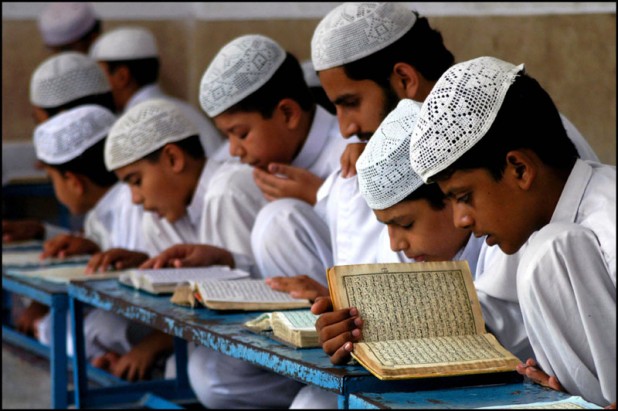
Established initially as institutions of higher studies, Madrasahs taught law, Islamic sciences and philosophy. Prior to the arrival of British, both religious and secular education was taken care of for Hindus and Muslims by their respective religious institutions together. Madrasahs taught Quran together with Tafsir Mantiq (logic), Kalam (theology) and Hikmah (philosophy). In addition, mathematics,…

Read More

Corruption without Borders

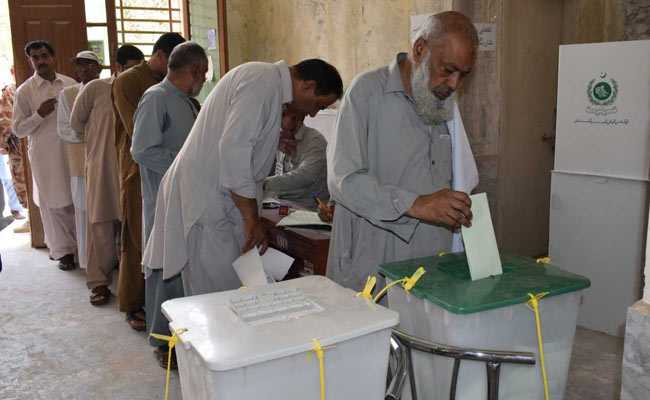
The Nawaz Sharif episode shows that pervasive corruption has not only acquired respectability in a perverse manner in Pakistan but left to the National Assembly (NA), may even acquire legality. Political instability, poverty, unequal structure of society, unemployment, lack of accountability, weak political institutions, absence of rule of law, etc., are contributory factors causing an…

Read More

Combating Corruption for Good Governance

Transparency International’s (TI) 2017 report ‘People and Corruption: Asia Pacific” voices concerns across the globe about growing inequality, poverty and exclusion of the most vulnerable. As a diverse and rapidly developing region, “it is essential that the countries in the Asia-Pacific region achieve sustainable and equitable development – this can only be done by ensuring…

Read More

A Flawed System of Governance

A Muslim majority state was envisaged by its founder Quaid-e-Azam Muhammad Ali Jinnah to ensure conducive conditions for the Muslims of British-India for socio-economic, cultural and religious development. Pakistan geographically being situated at the fringes of former British-India, many of the features inherited from the British and the lack of basic infrastructure made its beginning…

Read More