



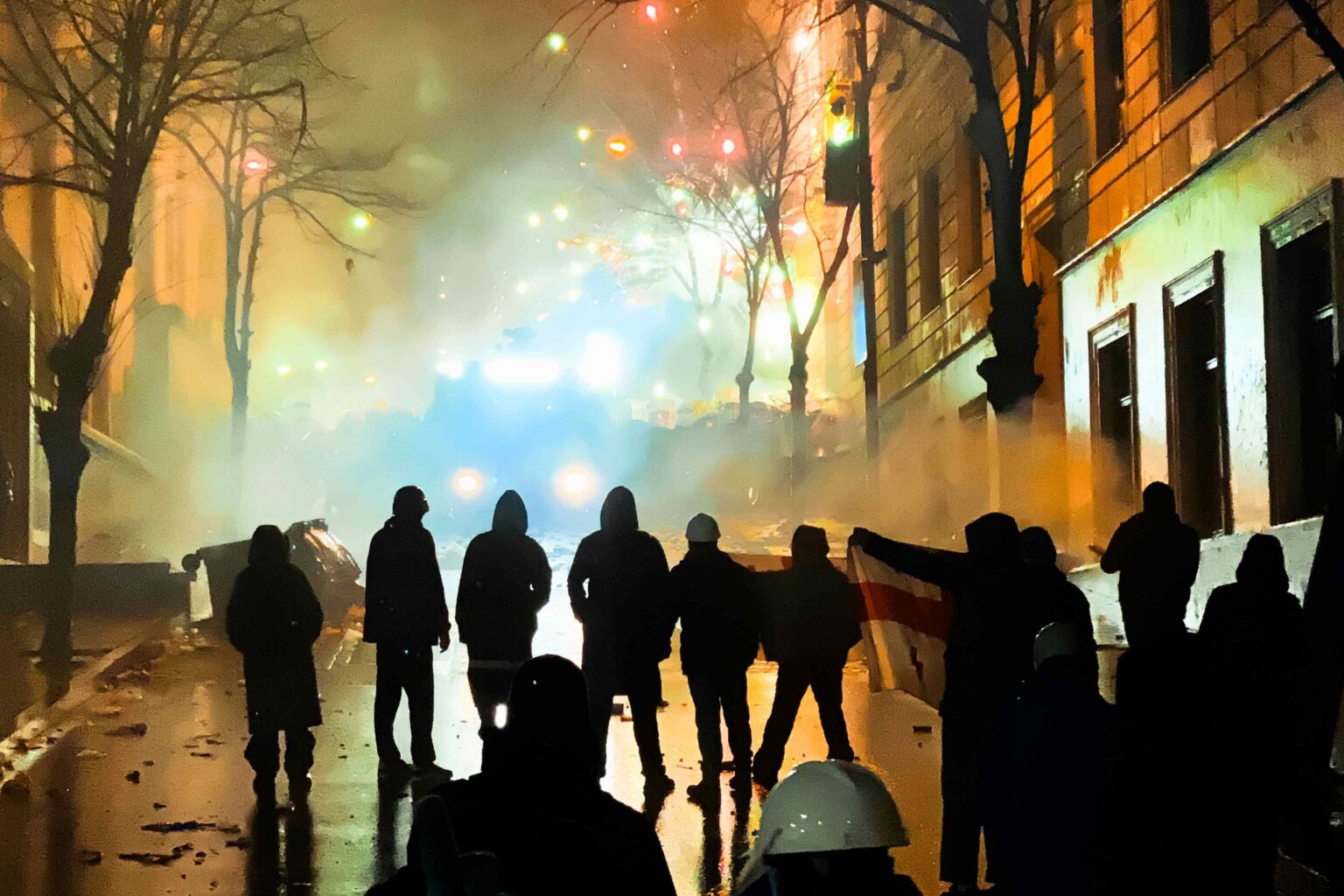
Extremism is a state of mind; it is an attitude that may be based less on facts and more on perceptions. It is founded on judgemental deductions, which may or may not be correct and accurate; generally these deductions revolve around myths. Negative attitudes often arise out of real or imagined perceptions regarding inequitable and or unfair treatment, deprivation of economic equity and lack of even playing field for access to opportunities. Moreover, frustration emanating out of lack of compatible knowledge, market friendly skills and opportunities required to get going along the mainstream economic activity contributes towards creating a negative mindset. Extremism feeds heavily on these causes. In addition, stereotyping, discrimination and communal segregation are strong supplementary factors. Inadequate enfranchising of backyard communities into political system also breeds and accentuates pessimist attitudes leading towards extremism. Extremism is a hydra-headed monster; its breeding causes as well as sustaining factors are numerous.
Traditional agents of horizontal and vertical polarization interact with these socio-economic as well as political inadequacies and create a complex mosaic that is conducive for breeding as well as ideological hardening of extremist cells. Once religious alignments lend themselves to become vehicles for processing, patronising and projecting extremism, the ideological hardening begins to draw its strength from the delusion of divine blessing. In such cases, use of military power as the only instrument to counter the extremism does not work; rather it enhances the number of sympathisers of militants. It indeed boosts the extremists’ churning sources, which go into surge production, both in terms of physical numbers and emotional hardening.
Such environment provides an opportunity to the vested interests to coax the under privileged groups towards harbouring a perpetual hatred towards the privileged ones. Later, this feeling is reinforced through emotional exploitation.
Functioning of multiple education systems with divergent curricula also creates problems in the long run. Some curricula have comparative advantage over the others in the context of access to opportunities and power. On the lower end, there are curricula which do not prepare the students for smooth integration into mainstream socio economic strata. Hence, over a period of time, former students of inadequate curricula emerge as an under privileged lot. Being alumni of a common educational system, they evolve and associate themselves with a group identity, based on their form of education. Frustration leads them to extremism en-block.
Unfortunately, syllabi of most of our religious seminaries do not emphasise on imparting requisite enabling knowledge, skills and expertise to the students for their post school life. These schools would indeed do a great job if besides religious education, each student is enabled to master one skill, like mechanic, data entry operator, agriculturist, tailor, etc. Otherwise, only a limited number of these boys can be accommodated in the available slots of teachers in religious schools or as prayer leaders in mosques. The top students are absorbed in these limited slots and the remaining mass is left high and dry. It is frustrating indeed for them to know at the end of years’ long education they have nowhere to go, no jobs, and thus hardly any social growth. The bubble created by the seminaries of imparting the best knowledge bursts too soon once these boys step into real life. Hence, once in the know of the reality that they have rather limited socio-economic prospects, they are ripe for brain washing to take up the holy (read unholy) tasks for ensuring at least better opportunities in the life hereafter.
Of course, those not educated at all are worse off. They become a fodder for class struggle that at times meshes into overall extremist conglomerate.
Stereotyping the groups on the basis of ethnicity is another very potent source for extremist breeding. Though this factor is not very prominent in the current spate, we have had enough taste of this category of extremism as well. Ethnicity based extremism cuts across the conventional vertical strata of that particular community, however, breeding of extremists remains confined to the aggrieved community.
Resistance against foreign occupation is another aspect that has the tendency of pushing the boundaries, of an otherwise legitimate struggle, to protrude into the realm of extremism. More often than not, the occupation forces term the freedom fighters as extremists. As activities of freedom fighters and extremists may produce similar end effects, the distinction between the two is a matter of respective political alignments. Both freedom fighters’ struggle and extremist elements’ actions tend to spill over to adjacent countries. Both are sustained by across the borders’ support.
Depending upon ethnic and political disposition of the people and governments of adjoining countries, these activities attract varying degree of support, jockeying between benign supports to active militant involvement. Pakistan is facing the brunt of spill over of Afghan freedom fighters since Russian occupation of Afghanistan in 1979, as well as the after effects of its current occupation by foreign forces.
At times, fallout of a significant event of global magnitude instantly changes the perceptions about extremism, 9/11 and 7/ 7 events remarkably changed the concept of extremists and extremism. Islam was projected a near synonym of extremism and Muslims were portrayed as near equivalent of terrorists. Feeding on the faulty concept of clash of civilizations, the thesis was promoted in a remarkable concert by all haters of Islam and Muslims. This stereotyping still continues to haunt the Muslims, the world over.
While countering extremism, states co-opt counter balancing segments of society. At times, a portion of the local population is drafted for combative role in counter extremism campaign. This creates new alignments. If these armed gangs are not effectively demobilised at the end of counter insurgency operation, they degenerate into thugs and their leaders become war lords. This situation sets into motion a new cycle of incubation for extremists. A shabby conclusion of Soviet occupation of Afghanistan presents a pertinent case study. Once the post-Soviet government was hurriedly cobbled together in Afghanistan, without demobilisation of armed bands, soon the legendry Mujahideen leaders turned opportunist warlords. It was a reactionary attitude against bad governance by this government that resulted in the rise of Taliban, the current brand of extremists.
Society and state need to be on perpetual watch for discerning the emergence of extremism. Even during periods of social tranquillity, one has to watch out for the indicators of extremism in their incubation phase. Society at large has to overtly adopt an anti extremism attitude to keep the perpetrators of extremism marginalised through anticipatory measures. The State has to follow a comprehensive strategy to ward off manifestations of extremism in short as well as long term perspective.
Eradication of extremism is a tall order; it requires a mammoth effort encompassing a multi-discipline and multi-dimensional approach. Within an overall broad counter extremism strategy, five phases operate in mutually complementary way. These are prevention, containment, curtailment, elimination and consolidation phases; encompassing immediate, short, medium and long term objectives. These phases need to be meticulously formulated and set into motion in various combinations on case to case basis. In chronic situations, like our present day state of affairs, the first four phases need simultaneous employment and are required to be kept on the fast track.
Preventive phase is an all pervasive and perpetual phase. It continues to make supplementary contributions even when other phases are functional. Prevention comprises of monitoring the factors that could contribute towards extremism and keeping the proliferation and effects of these factors below the boiling point. Some of these indicators are hate literature, appeal of intellectually dishonest demagogues, larger than life charisma of clergy based agitators, socioeconomic indicators, hatred promoting customs and traditions, exclusive claim to self righteousness, etc. These indicators need to be managed through indoctrination, statutory measures and constructive social engagements. If this phase is well managed then half the battle is won against the extremism. Unfortunately, we did not put in due effort in this phase despite glaring indicators.
Containment phase comes into play when preventive measures are unable to keep things under control and brewing extremism finds occasional manifestation in the form of brawls and riots. Preventive threshold is breached when protectionism on the basis of ethnicity and sectarian alignments becomes an accepted norm and group preferences begin to take precedence over merit and efficiency. Moreover, when economic disorder divides the population into haves and have-not groups, the stage is set for the extremism’s materialization in various forms. Starting point could be in the form of sharp rise in street crimes, or targeted attacks against the persons or property of a particular ethnic or sectarian group.
Containment effort focuses on isolating the ideologically committed extremists through active interventions like legal penalties, social pressures and corrective dialogue etc. It may also include occasional use of force to prevent emergence of serious law and order situations. However, mainstay of containment phase is positive engagement through constructive dialogue with the moderate majority. Political engagement with saner elements and economic support incentives to the not so hardened extremist elements that look for an opportunity to breakaway from the hardened ones is an effective line of action.
A proficient containment strategy ensures that public opinion is not swayed in favour of extremist elements. Side by side, non compromising elements are taken on boldly, through tactical use of force, on as required basis. An appropriate media policy is formulated to ensure that the public at large is made aware of the consequences of potential hazard. A campaign must start to de-glorify the extremist elements. Influential communicators drawn out of mainstream ethnic groups and clergy can reinforce the effects of containment measures, by putting across the facts to the general public, in its correct perspective. Here, public private partnership is essential to generate due urgency and requisite synergy to accrue desired credibility for the containment measures. Potent preventive measures reinforce containment actions.
Curtailment phase concentrates on interventionist measures by isolating the extremist elements from general public. It determines further classification of extremists in the categories of ideologically committed hardened elements and those who are being exploited emotionally, or economically. Then, effort is made to reclaim the latter category through de-indoctrination and incentives. This phase essentially focuses on the economic needs of soft extremists who desire to breakaway from the hardened cells. Through capacity and capability enhancement these returnees are made capable of leading an economically and socially viable life. This is an investment intensive phase and it must start right away as the signs of brewing extremism become discernable. Concurrent with curtailment actions, appropriate preventive and containment measures must remain operational for supplementing the gains of this phase.
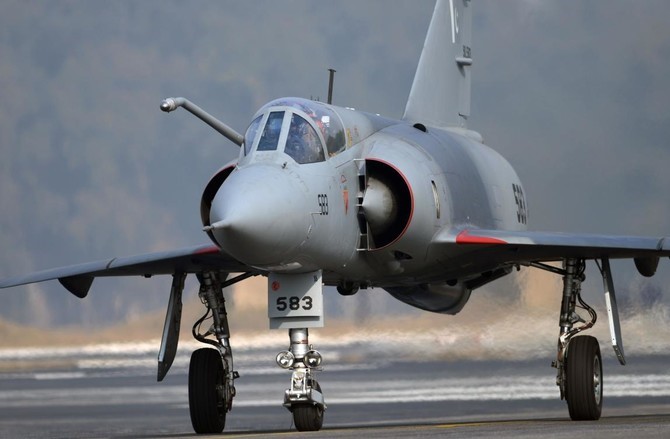
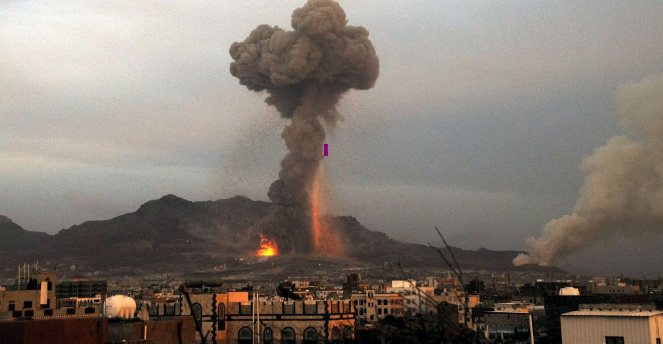
Elimination phase carries forth the effort of curtailment phase and eliminates the positively identified hardened cells of extremists through proportionate use of military power. Here an important caution is due; use of excessive power causes unwarranted collateral damage and breeds sympathisers of hardened extremists. If this phase is not managed through use of low yield precision munitions, the brute use of force may produce more extremists than what it is able to eliminate. Generally, this phase runs concurrently with the preceding phases. Elimination phase must be of short duration, and it should run simultaneously alongside a meaningful political process. Due care must be taken to ensure that the elimination phase does not end up into a stalemate. This is the actual combat phase, with military instrument in the forefront, and other mechanisms in supportive roles.
Consolidation phase capitalises on the gains of elimination phase. Its prime objective is to convert an uneasy calm into permanent tranquillity. Disorganized cells of extremists are destroyed though a well executed mopping up operation. This phase focuses on establishing such institutional checks to ensure that the elements which breakaway from the extremist gangs do not relapse due to residual contributory factors. End of this phase is marked by the benchmarks that extremists lose public appeal and sympathy, they are reduced in capability and capacity to an extent that they are neither able to regroup and reconstitute nor make sporadic revisits. Overall, they lose the ability to function as an organised entity. During this phase, military instrument goes into the background while maintaining an effective deterrence.
To complete the cyclic process, preventive phase resumes the charge to capitalise on gains of all previous phases. Going wiser by the learnt lessons, operators of preventive measures strive to ensue that there are no relapses. This is done by abiding by any political or other agreements reached with the converted elements. Furthermore, it concentrates on blocking the reappearance of previous contributory causes. For example, any adult without compatible means of livelihood is a potential extremist.
This process has to be carefully executed by taking into consideration the local socio-cultural sensitivities lest the extremist breeding restarts!