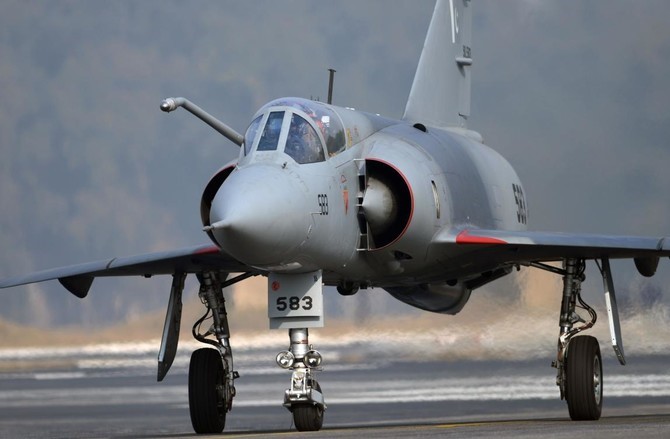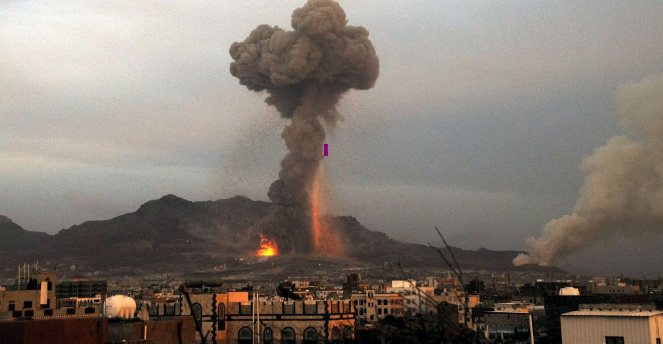






Ask any aviation enthusiast about his understanding of stealth and chances are you may get a standard reply of making the aircraft “invisible” to the radar systems, with a smattering of aerodynamic jargon (some valid and some off the mark). However, this article aims to educate the readers with certain basic aspects of the phenomena popularly known as stealth.
Low observable (LO) technology, commonly known as “stealth”, aims to manage (reduce) as much as possible the infrared (IR), ultra violet (UV), visual, acoustic, electronic, and radar signatures (both passive and active) emitted by vehicles operating in different natural mediums. For the purpose of this article, we would restrict ourselves to the military aviation sector, which by far is the most successful in achieving and adopting LO technology on its platforms.i
Early Efforts
Interestingly, the history of signature management is quite long and goes back at least a 100 years, beginning with camouflaging of troops, vehicles, warships and aircraft. During the two great wars, aggressive attempts were made to reduce visual, acoustic and even radar signatures, and new materials, engineering techniques and tactics were put to test, but it wasn’t until US company Lockheed’s successful production of the legendary SR-71 “Black Bird” reconnaissance aircraft that considerable success was gained in reduction of an aircraft’s radar cross section (RCS). Although the SR-71 program was successful and employed revolutionary new techniques such as radar-absorbent material (RAM) coatings and radar cross-section reduction (RCS) through aerodynamic design modification of the airframe, a decade would pass before signature management was seriously attempted again on an aircraft.
Rise of the Stealth
In 1974, an exhaustive study conducted by the US Department of Defense (DoD) identified the emergence of advanced integrated or networked air defenses as a significant future threat to U.S. air power. Lessons learnt from the Arab-Israel war of 1973 and detailed war gaming by US and its NATO allies led to the conclusion that without a paradigm shift in the capabilities of air power, NATO forces would find victory extremely wishful in the European theatre.
Shortly after the study, US government issued a directive inviting organizations to propose radical new ideas to counter the growing threat of densely layered and integrated soviet style air defenses. It was at this time that USA’s DARPA (Defence Advanced Research Projects Agency) floated the idea of a “high-stealth aircraft” for increased survivability and mission success in a high threat battlefiled. Based on the earlier study and with support from the then Secretary of Defense, DARPA began its efforts to develop the technologies for future combat aircraft with significantly reduced signatures than had ever been developed before.ii
Subsequently five leading aircraft manufacturers in USA were tasked to conduct research studies to develop working prototypes of such an aircraft. However, before any work could begin on such a revolutionary idea, certain questions needed to be answered. First, whether a manned LO aircraft could actually be produced using the existing technology? Second, how to define and ascertain the signature thresholds that any aircraft would have to achieve to be essentially undetectable at an operationally useful range? This question was inherently complex as not only the emerging threats of that era but also future threats needed to be considered. After intense work, Northrop, McDonnell Douglas and Lockheed were issued contracts to design and manufacture a manned LO aircraft.
Initially, McDonnell Douglas came up with a set of variables defining the minimum required signature levels to be achieved by a low-observable aircraft. These values were then used as benchmark to achieve the program’s overall objective. DARPA eventually chose Lockheed and Northrop (US aviation giants) to continue in the program and to construct full-scale test aircraft along with smaller scale models for detailed wind tunnel testing and simulations. These prototypes were then tested to ascertain which company best met DARPA’s criteria. Following the results, Lockheed was awarded the contract to build two technology demonstrator aircraft and the program officially became known as Project “HAVE BLUE”.
Under HAVE BLUE, Lockheed built two manned prototypes as technology demonstrators and test beds. Even though these test aircraft made extensive use of conventional off-the-shelf components, the test results proved to be an eye opener for both the designers and USAF commanders. Their design and engineering methods were so revolutionary that their impact on increased aircraft survivability changed the way U.S. Air Force fought (or thought it would fight its next war).
Technologies and ideas nurtured under this R&D effort not only included RCS management, RAM development, infrared suppression and shielding, reduced visual signatures, development of low-probability-of-intercept (LPI) radar and encrypted communication but also new operational procedures and tactics were discussed and devised to attain maximum LO effects during operational flying. First flight occurred in April 1977, and both aircraft were tested extensively. On November 16, 1978 Lockheed received a contract for full-scale development of what would become the F-117 stealth fighter.
With increased confidence – due to the success achieved earlier in the field of LO technology – DARPA and USAF initiated yet another stealth project in 1976 under the code name Project “TACIT BLUE”. Although the program’s original goal was to develop a stealthy surveillance and reconnaissance platform that could operate in hostile air space with a high degree of survivability, the program proved to be the successful forerunner of the now famous B-2A stealth bomber.
TACIT BLUE first flew in 1982 and validated a number of innovative LO concepts. It also represented the first successful use of curved and blended surfaces to achieve signature reduction instead of the two dimensional faceted approach employed on F-117. According to USAF, project TACIT BLUE was one of the most successful technology demonstrator programs in their history.
Stealth in Aircraft Design
To contradict a popular myth regarding stealth technology, it is pertinent to note here that the stated (and technically achievable) goal of LO technology is not to make an airplane “invisible” to radar rather it is to reduce all its signatures to such an extent that the platform remains undetected at an operationally useful distance for an appropriate time against all known active and passive detection measures.iii
Although most of the details are highly classified, certain basic principles concerning LO design and procedures have come to fore in the past few years. The term LO or stealth is usually considered to comprise several elements or signatures:
- Radar cross section (RCS)
- Infrared (IR) / Ultraviolet (UV)
- Visual / Aural
- Electromagnetic signals (EM)
- Communications
- Operational tactics and procedures
RADAR and How RCS Works
The fundamental idea is for the radar antenna to send out pulses of radio energy, which are then reflected back by any object it happens to encounter. The radar antenna measures the angle and time it takes for the echo to arrive back and with that information can tell where and how far away the object is. When the sending and receiving antennas are co-located (which is the usual case) the radar is known as mono-static. However, if the transmitting and receiving antennas are located separately then the system is known as bi-static or multi-static.
The metal body of aircraft – moulded and welded together in conventional manner- is very good at reflecting radar signals, and this makes it easier to find and track airplanes with radio ranging equipment. Under the stealth concept, there are different ways to create pseudo-invisibility against radar:
- The airplane can be shaped so that any radar signals it reflects are reflected away from the radar equipment.
- Weapons and other payload can be shielded or located inside aircraft’s body.
- The airplane can be covered in materials that absorb radar signals.
- The pilots can be trained to plan and adopt maneuvers / procedures to avoid detection.
The important factor to be considered in LO aerodynamic configuration is RCS with secondary consideration given to IR / UV emissions, mainly from the aircraft’s tail. An aircraft’s RCS – the area of the scattered wave field returned to the receiving radar – determines the amount of radar energy reflected back. Generally – due to conventional design and engineering practices – the RCS of a conventional aircraft is much larger than its physical size and varies significantly with aspect. By way of comparison the frontal RCS of an F-15 is approximately 1/20th of its actual size and that of the F-22 even smaller.
Most conventional aircraft have a shape that makes them aerodynamically efficient, but it also creates a very efficient radar reflector. The conventional shape means that no matter where the radar signal hits the plane, some of the signal gets reflected back:
A stealth aircraft, however, is designed around the idea of flat surfaces and blended angles, which are not perpendicular to each other. When a radar signal hits a stealth plane, the signal reflects away at an angle, like this:
Significant advances in computerized simulation and modeling techniques and the advent of ever sophisticated materials – use of composites / high grade alloys along with new engineering techniques and equipment – are now permitting the design and use of blended surfaces, such as those on the F-22, which reduces RCS significantly without the accompanying loss of maneuverability.
Attempts at reducing RCS by applying radar absorbent materials (RAM) to the aircraft’s exterior are at best partially yielding, as this method provides only a minor reduction in RCS. Therefore, a better way of going about the business is to appropriately shape the aircraft at design and manufacturing phase and then treat the exterior with RAM. The overall result is that a stealth aircraft like an F-117A can have an exceptionally low radar signature. The only exception is when the plane banks or fires its payload (there will occasionally be a moment when one of the open panels would reflect radar energy back to the antenna). This is the reason why, designers have painstakingly ensured that weapon bay doors on F-22 slide open and close within the fuselage instead of the more conventional method of opening perpendicularly into the air stream.
Cockpits and radar domes are also bad. They pass the electromagnetic waves through to the surfaces inside them, which are often huge reflectors. Thus special design procedures and materials are required to shield these. Other design features that aid in lowering the RCS include positioning the engine exhaust deep within the aircraft, avoiding perpendicular corners and surface seams, and strictly avoiding any external protuberances such as antennas / panels or drainage pipes.
Other Signatures
While the reduction of RCS is a major component of stealth, it is not the only one. In a classical trade off scenario, designers are faced with a situation whereby lowering RCS to operationally desired levels can make an aircraft’s IR, UV, EM, visual and acoustic signatures more pronounced to the extent that they can become the primary means of detecting stealth aircraft. This can provide an Achilles’ heel for these ultra sophisticated (not to mention ultra expensive) aircraft.iv Therefore, along with RCS these signatures also need to be managed appropriately.
The most important factor in reducing an aircraft’s IR signature is to cool the engine exhaust gases as much as possible before they are vented to the atmosphere. This cooling can be achieved by mixing cold air from atmosphere into the exhaust plume before it leaves the engine and running the resultant exhaust over long heat absorbing ducts. Another, very famous, method involves the technique of “super-cruise”. This dream has been realized in the form of F-22 aircraft, which uses the latest in gas turbine engine technology, to accelerate to supersonic speeds without engaging extra thrust augmentation devices. Hence, IR emissions, even at high speed regime, are controlled.
A rather less known factor that requires management is of heat produced at high supersonic flights through skin friction. This problem becomes all the more important since the aircraft are using coatings of RAM, which generate heat as a result of absorbing radar energy. However, use of composites with conductive properties reduces this effect to manageable levels.
A stealth aircraft, at least during the attack phase, must turn off all transmitters such as radar, radio, laser rangefinders and even jammers, which requires extremely careful planning and handling of the whole mission. This is because the whole point of maintaining and operating a stealth platform will be lost if it can be located, even approximately, through its own emissions. Hence, there is a need to integrate highly sophisticated LPI radar onboard the aircraft along with encrypted voice and data communication. Even the use of active self protection jammers needs to be carefully considered and rationalized to avoid the latest home-on-jammer (HOJ) capabilities of enemy sensors. As a result it is safe to assume that while in stealth mode the aircraft cannot operate as an active part of an integrated, network-centric battlefield and would entirely rely upon its passive systems for survivability.
Giving a platform visual stealth features typically involves the age old method of camouflaging surfaces, specially the wind shield, by avoiding shiny surfaces and using low visibility paint according to the type of terrain and time of the day in which aircraft is likely to operate mostly. Very logically, stealth aircraft avoid operating at altitudes that create condensation trails behind their engines and special fuel additives are used to reduce visible smoke trails. This necessitates flying at considerably high altitudes above mintra level, which in turn increases aircraft’s cruise performance and range and gives it partial immunity from low and medium altitude threats and detection sensors. In the same context, missiles used by the aircraft need special propellants to give smokeless launch and flight. There is also talk of futuristic research projects incorporating visual cloaking devices on stealth platforms, a’ la James Bond or Harry Potter; however, there is still considerable distance to cover before these ideas are put at an operational level.v
A by product of high altitude flight profile is the reduction in the acoustic signature as well.vi This is supplemented by using high-bypass turbofan engines which are quieter – and incidentally much cooler and efficient than conventional turbojets- while flight profiles are planned for subsonic speeds to avoid crossing sonic barriers.vii
Stealth – An Asset or Headache
While stealth does provide substantial advantages and opens a wide range of military and political options for commanders, it also has nagging limitations. To start with, stealth technology is super-expensive to the extent that USAF had to revise its F-22 acquisition program several times due to cost over runs and budgetary difficulties.viii
This is not only due to complex design requirements and the specialized materials required for fabrication, but also because new facilities, procedures, ground equipment and trained manpower is also required for the operations of these revolutionary aircraft. The fact that a stealth platform needs extremely delicate maintenance of all its systems, including its skin, to maintain a finely achieved equilibrium of stealth throughout its operational life, only augments this scenario.ix
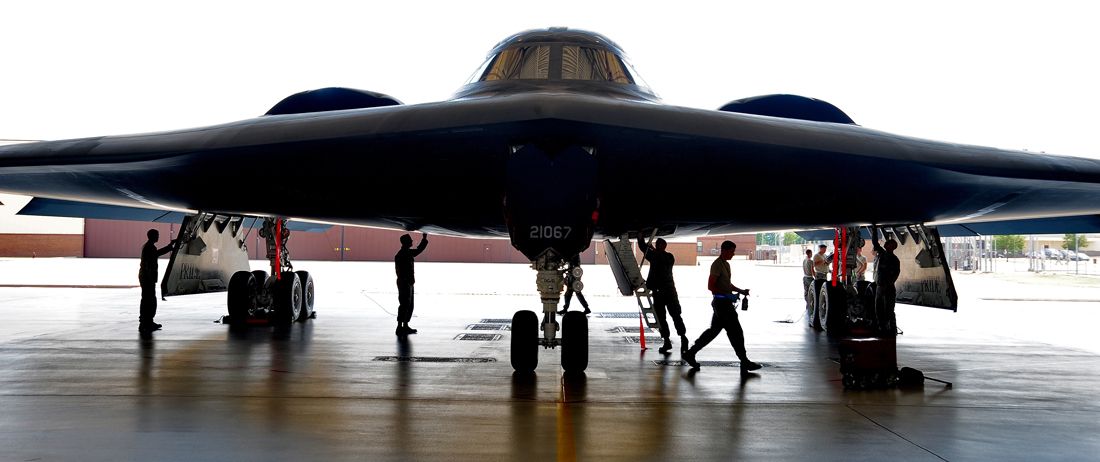
For example, the RAM coating on B-2 stealth bomber requires careful handling and the aircraft needs to be recoated after a certain period. Interestingly, because of the metallurgy and chemical compositions of the substances in contact, this RAM coating can only be applied twice on the aircraft after which the aircraft would have to be retired, regardless of the fact whether it has completed its operational life or not. The crash of a B-2 bomber at Guam due to technical reasons is by far the most expensive aviation accident in the history of mankind, overshadowing even the disasters of Titanic and space shuttle Columbia in terms of monetary losses (each B-2 bomber’s direct acquisition cost is approximately USD 1.2 billion, not to mention its maintenance expenditures).
Stealth designs also suffer from structural and weight compromises as stealth takes precedence over structural simplicity. Lastly, since the carriage of any external stores is definitely not a choice, these aircraft have relatively more limitations on their weapons payload and fuel quantity as compared to non-stealth aircraft, which is in contrast to their overall superior mission capabilities.
Stealth is Here to Stay
The rise of the stealth weapon, ostensibly behind an iron curtain, ushered in a new era of sophisticated defence technology. Equipped with the latest systems the 21st century technology has to offer, the new generation of US combat aircraft has dramatically increased the overall effectiveness of its aerospace power. For the time being, the successful development and employment of stealth technology has thrust US military aviation industry into a position of global leadership and it seems unlikely that this situation would change in the near future.
The technological milestones achieved in the field of stealth have also spurred other stealth programs that have brought a paradigm shift in the military doctrines of not only the U.S. armed forces but also Russia and most recently China as well. For the U.S. Air Force, stealth revolution has made aircraft such as the F-22 “Raptor” and F-35 “Lightning II” possible. These stealth aircraft can penetrate heavily defended areas and precisely engage multiple targets while maintaining air dominance with a high degree of survivability in the modern battlefield.
Stealth aircraft were first used in combat in 1989. Since then, F-117s and B-2s have dominated the skies taking active part in operations over Serbia, Kosovo, Iraq and Afghanistan. From aircraft to munitions, ships, and even ground systems, the design of weapon systems will never be the same due to stealth innovations. Hence, the impact of stealth weapons in revolutionizing not only the military affairs but also international politics and diplomacy of tomorrow is certainly undeniable.
End Notes
(i) Most of the details about the development and potential of stealth technology remain classified. This article takes help from a variety of open sources that may often tend to be sketchy. Precise details would only be possible after declassification of significant information on this subject.
(ii) Perry, William J. “Technology and National Security: Risks and Responsibilities” (Conference on Risk and Responsibility in Contemporary Engineering and Science, Stanford University)
April 7-8, 2003.
(iii) Patterson, John, “Overview of Low Observable Technology and Its Effects on Combat Aircraft Survivability,” Journal of Aircraft, Vol. 36, No. 2, March-April 1999.
(iv) The Defense Department’s Selective Acquisition Report (SAR) of September 30, 2000, estimated the total program cost of 341 aircraft (339 production and two development aircraft) at $61,940 million then-year dollars. As projected in 1997, the F-22’s program cost was $70.9 billion then-year dollars for development and production of 440 aircraft. Statistics are available in the CRS brief issued to US Congress in 2002, available with Congressional Research Service, Library of Congress, USA.
(v) Raymer, Dan, Aircraft Design: A Conceptual Approach, 3rd Ed., AIAA, Washington, 1999.
(vi) Fulghum David A., “Stealth Engine Advances Revealed in JSF Designs,” Aviation Week, March 19, 2001, pp.90-99.
(vii) At both ends of the operational altitude spectrum, IR management becomes critically important.
(viii) USAF plans to procure 295 production aircraft. When the F-22 design was selected (April 23, 1991), the service projected procurement of 648 aircraft instead of the 750 previously projected. In late 1993, the Air Force announced plans to procure 442 aircraft (438 production aircraft and four development aircraft). On July 26, 2000 Secretary of the Air Force Whitten Peters was reported to have said that 339 F-22 Raptors “…is about the right number for 10 AEFs,” (Air Expeditionary Forces), the USAF’s latest organizational scheme. Statistics are available in the CRS brief issued to US Congress in 2002, available with Congressional Research Service, Library of Congress, USA.
(ix) The maintenance requirements of stealth aircraft are significant as any imperfection in the surface finish or alignment of access panels can compromise stealth capabilities.