
Trump Vs. Iran: Pakistan’s Options
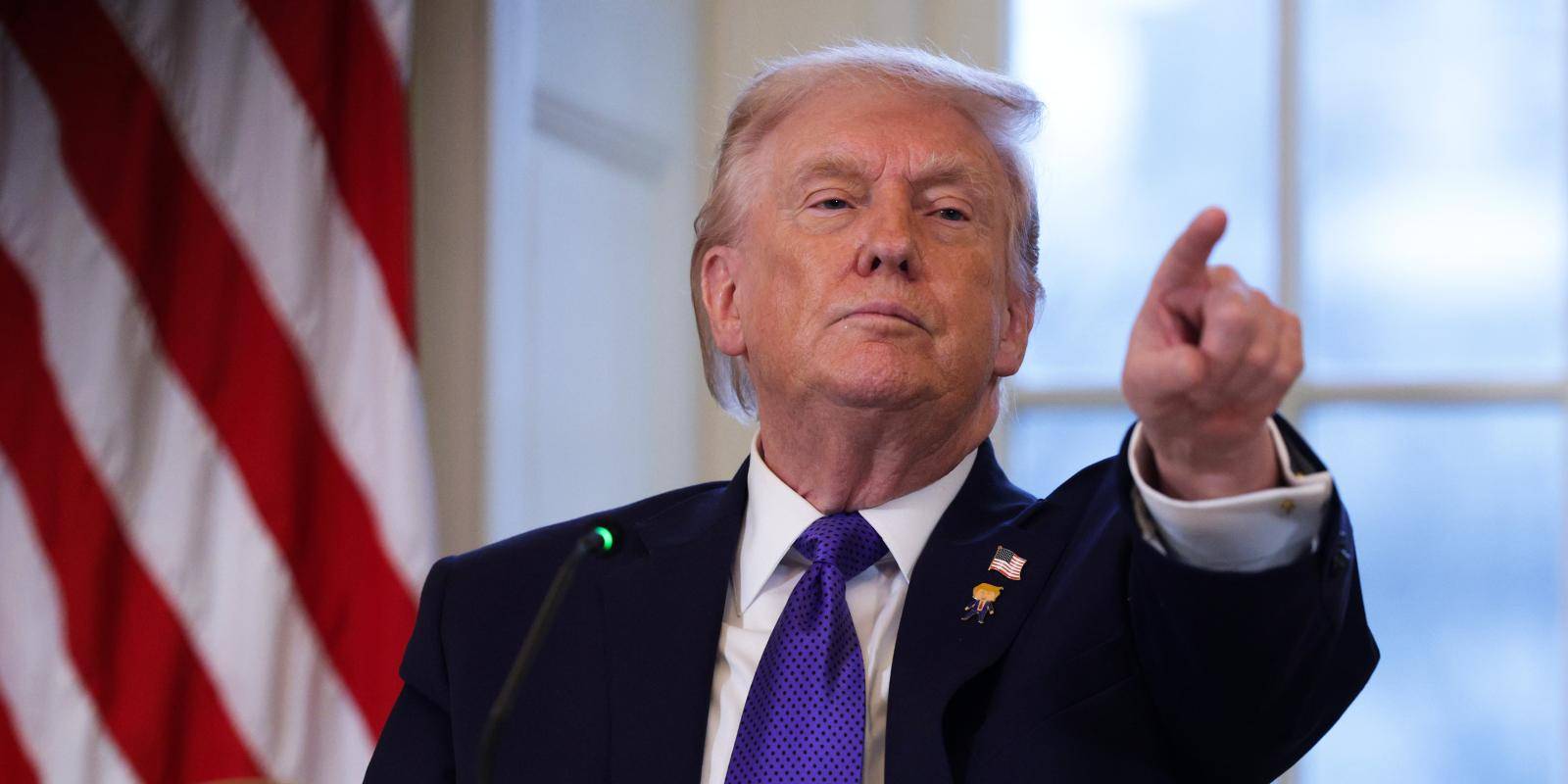
In January 2026 – in true unilateral fashion – US President Donald Trump announced a sweeping new, one-phrase trade policy: any country that conducts business with Iran will face a 25 % tariff on its trade with the United States. This unprecedented approach – to target not just Iran but also its trading partners – aims to increase economic pressure on Tehran amid ongoing domestic unrest and geopolitical friction. However, the policy also raises risks for Pakistan, which shares a long border with Iran and engages in significant trade with its neighbour out of necessity and geographic reality. For Pakistan, the challenge is multifaceted. On the one hand, Pakistan seeks to deepen economic cooperation with Iran, including ambitious plans to expand bilateral trade to $10 billion. On the other hand, reliance on trade with a heavily sanctioned economy raises the possibility of punitive tariffs that could erode Pakistan’s access to US markets, increase export costs, and strain an already fragile macroeconomic position. To navigate this complex landscape, Islamabad must adopt a multi-layered mitigation strategy that includes diplomatic engagement, economic diversification, trade restructuring, and domestic policy reforms. The first line of mitigation for Pakistan is proactive diplomatic engagement – both with Washington and Tehran. Given the broad and ambiguously framed nature of the US tariff policy, there is room for clarification, negotiation and facilitation regarding implementation timelines, exemptions, and the legal basis of the tariffs.
Pakistan should launch immediate high-level talks with US counterparts to seek three accommodations. One – clarification on tariff scope: understand whether certain sectors (such as food, energy, or essential goods) could be carved out from the tariff regime. Two – exemptions for essential trade: argue for exemptions for goods that are critical to national security and economic stability, including energy and agricultural products.
Three – phased implementation: advocate for grace periods that allow Pakistani exporters to transition to new market conditions without severe disruption. Concurrently, maintaining a constructive dialogue with Iran is essential. Tehran has expressed willingness to resolve trade issues and enhance bilateral commerce. Pakistan must ensure that cooperation with Iran remains transparent and compliant with international norms, reinforcing that its trade with Iran is driven by geographic necessity rather than antagonism toward the U.S.
Also, Pakistan’s export base needs to be more diverse and competitive to absorb potential tariff shocks. Currently, Pakistan’s exports to the US span textiles, agriculture, and manufactured goods – sectors that could become less competitive if a blanket 25 % tariff is applied. In a threeprong approach, diversification can first occur geographically. One, strengthen trade ties with ASEAN, East Asia and Central Asia through trade missions and bilateral agreements. Two, leverage regional trade agreements and preferential access schemes to expand into markets with lower tariff barriers in Europe and Middle East. Three, engage under the African Continental Free Trade Area (AfCFTA) to tap into fast-growing markets with rising consumer demand. In different sectors as well diversification will help. IT services and software sector holds significant global demand and is less exposed to conventional tariff barriers. Upgrading textile and apparel exports to higher-value segments can reduce sensitivity to cost-based tariffs. Developing value-added food products rather than raw agricultural exports can boost margins and expand non-U.S. market opportunities
Additionally, Pakistan should reform its trade infrastructure to become more competitive internationally. Improvements in logistics, customs processes and export facilitation can reduce production costs and offset some of the tariff burden imposed by Washington. Key steps can include streamlining clearance processes, adopt through bodies like the Economic Cooperation Organization (ECO), the Shanghai Cooperation Organisation (SCO), and the proposed Pakistan-Afghanistan-Central Asia corridors. Regional integration can reduce reliance on Western markets and create alternative demand centres for Pakistani exports. Multilateral engagement with emerging economies can also build collective resistance to unilateral trade coercion, similar to objections raised by China against US tariffs. That is why long-term resilience depends on sound domestic economic policies such as fiscal reforms to improve revenue collection and reduce dependence on external borrowing, monetary stability to reduce inflation and support export competitiveness, investment in human capital to build a skilled workforce that can compete in global markets. The U.S. decision to impose a broad 25% tariff on countries trading with Iran represents a significant challenge for Pakistan, given the necessity of its economic and geographic relationship with Tehran. Yet, the policy is not a foregone conclusion.
Through diplomacy, economic diversification, trade facilitation, innovative trade mechanisms, regional cooperation, and domestic reforms, Pakistan can mitigate risks, protect its export markets, and remain strategically autonomous