
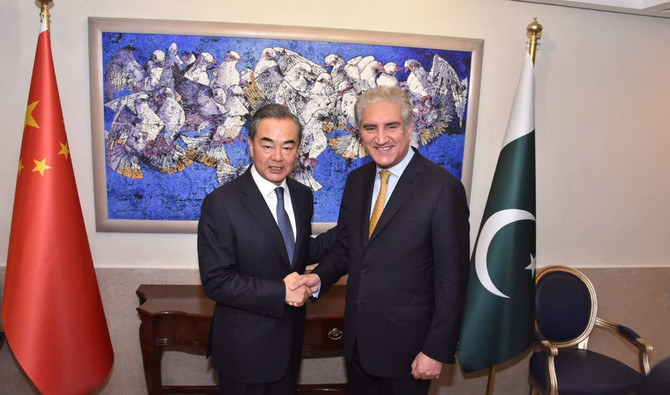
Pakistan and China being strategic partners strongly rejected a report by the Financial Times (FT) about China Pakistan Economic Corridor (CPEC) and resolved to expand cooperation in diversified fields of mutual interest. The FT report had alleged that Pakistan is looking to renegotiate its position in the Beijing’s Belt-Road Initiative (BRI). CPEC is the combination of mega projects of energy, development of associated industries, infrastructure, communications, transportations, massive industrialization and national and regional connectivity beyond borders.
The controversy surfaced when adviser for Commerce, Textile, Industry and Production and Investment Abdul Razak Dawood said in a FT interview that Pakistan “should put everything on hold for a year (CPEC) so we can get our act together”. He was also of the opinion that taxes should be taken from the Chinese companies engaged in CPEC projects as it created comparative advantage in favour of Chinese companies. However Abdul Razak Dawood and his Ministry flatly rejected these claims terming it misreporting and out of the context and reiterated that CPEC is a “national priority for the new government.”
The Chinese Embassy in Islamabad also said there was a “firm consensus between China and Pakistan that CPEC is a mutually beneficial project and both governments will carry it forward according to the needs of Pakistan”. It called the FT article “ill-intentioned” and “based on distorted and misquoted information.”
Most recently, Chinese Foreign Minister Wang Yi’s visited Pakistan to show his country’s support and commitment towards the good cause of new government. He stated that CPEC “has not inflicted a debt burden on Pakistan. When these projects get completed and enter into operation, they will unleash huge economic benefits.” On its part, foreign minister Shah Mehmood Qureshi said it would continue to accord top priority to the CPEC. He further noted that his government saw it as a significant project for the socioeconomic development of the country. Meanwhile the opposition parties strongly criticized the statement of Abdul Razak Dawood terming it fatal for Pak-China strategic partnership and ongoing projects of the CPEC.
It is deemed better for both Pakistan and China to sit together and chalk out further terms of reference (TORs) especially on the CPEC. Most prominent national economists have suspicions about the true nature of its terms of the true nature of its terms of engagement, mechanism/provision of transfer of technology, composition of Foreign Direct Investments (FDIs) and debts and the last but not the least terms of rescheduling and repayments which also not transparent. It seems that there are some grey areas in the ongoing CPEC mantra in terms of security, employment of local skilled and unskilled labour/engineers, allegedly rights of Chinese ownership and operations to all the ongoing energy projects in the country.
The new PTI government is com mitted to continue CPEC, being a game and fate changer for the country and the rest of the region. China is arguably Pakistan’s most important neighbour and has been a consistent friend through the decades. But now it is important for both the countries to ensure that all things are crystal clear and no ambiguity if left. Moreover, the national interests of Pakistan must be protected in any case.
Local businessmen and industries fear about providing “unequal playing fields” in case of the CPEC. CPEC would be more productive and meaningful by using a “collaborative approach” and inclusion of all the stakeholders. Inclusion of local businessmen and industries would also play vital role in the development of CPEC which need to be rectified as soon as possible. Development of local industries of construction, banking, services, information and technology, engineering, transportations and above all human resources can also be channelized in right direction. It would develop entrepreneurship in the ranks of local businessmen and investors. It would generate favourable conditions for the local industries and workforce to get trained and modernized.
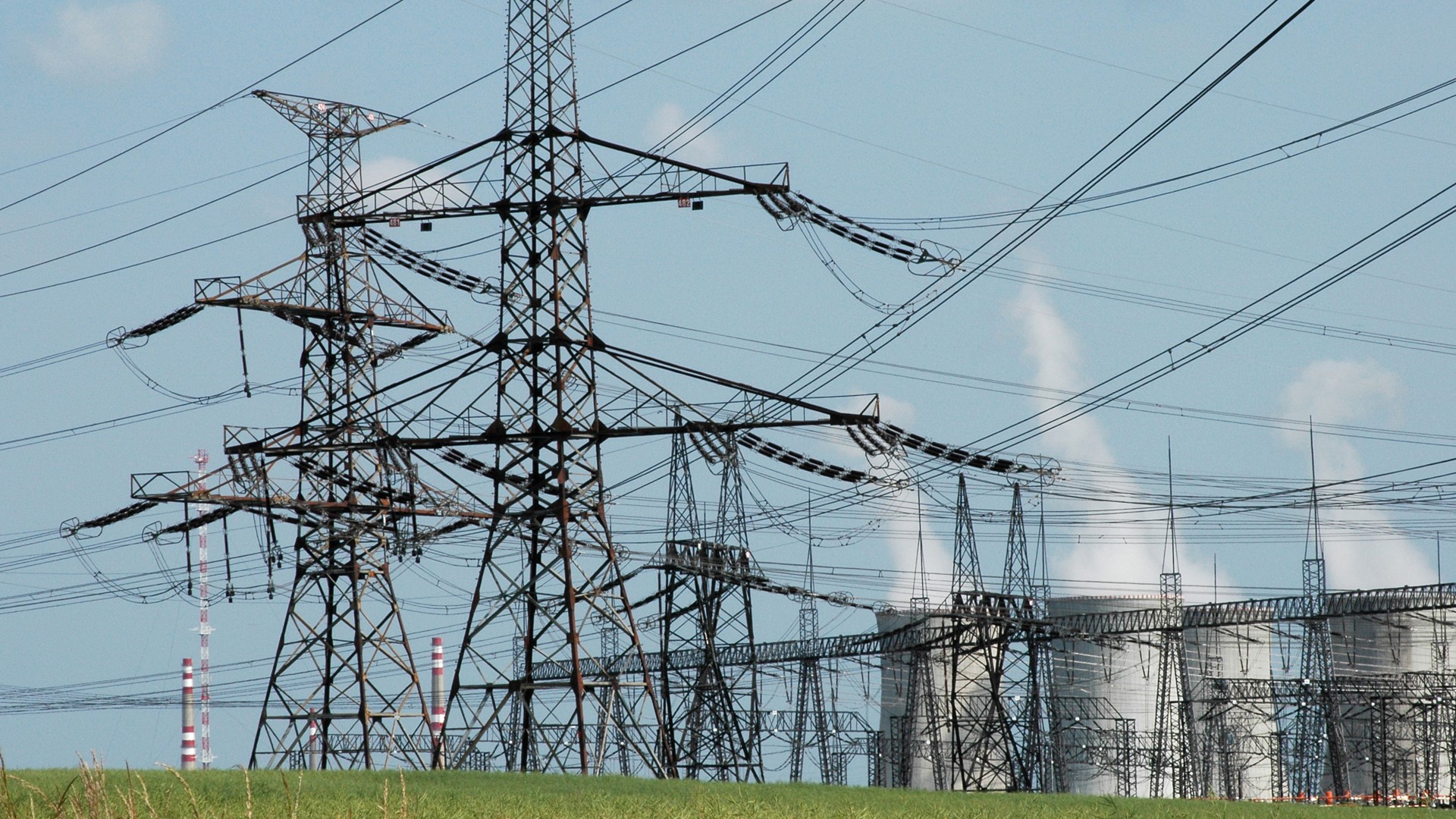
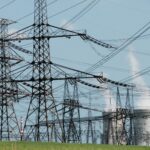
It is evident that mix of ongoing energy projects under the umbrella of CPEC are very limited and tilted towards coal, diesel and solar. There should be strategic balance of energy production and channelization of available resources in the country. Hydro production/energy projects, joint ventures of solar energies and green energies must be national priority to re-negotiate CPEC. Moreover, most advanced technology of solar production which even generates energy at night and which is changing the lives of far-flung areas of rural China needs to be pursued under the re-negotiated CPEC. Wind energy may be another profitable proposition for the Chinese companies to work in interior Sindh, Baluchistan and some selected sites Punjab near Jhelum, Kharian and Lalamusa to be included in the re negotiated CPEC.

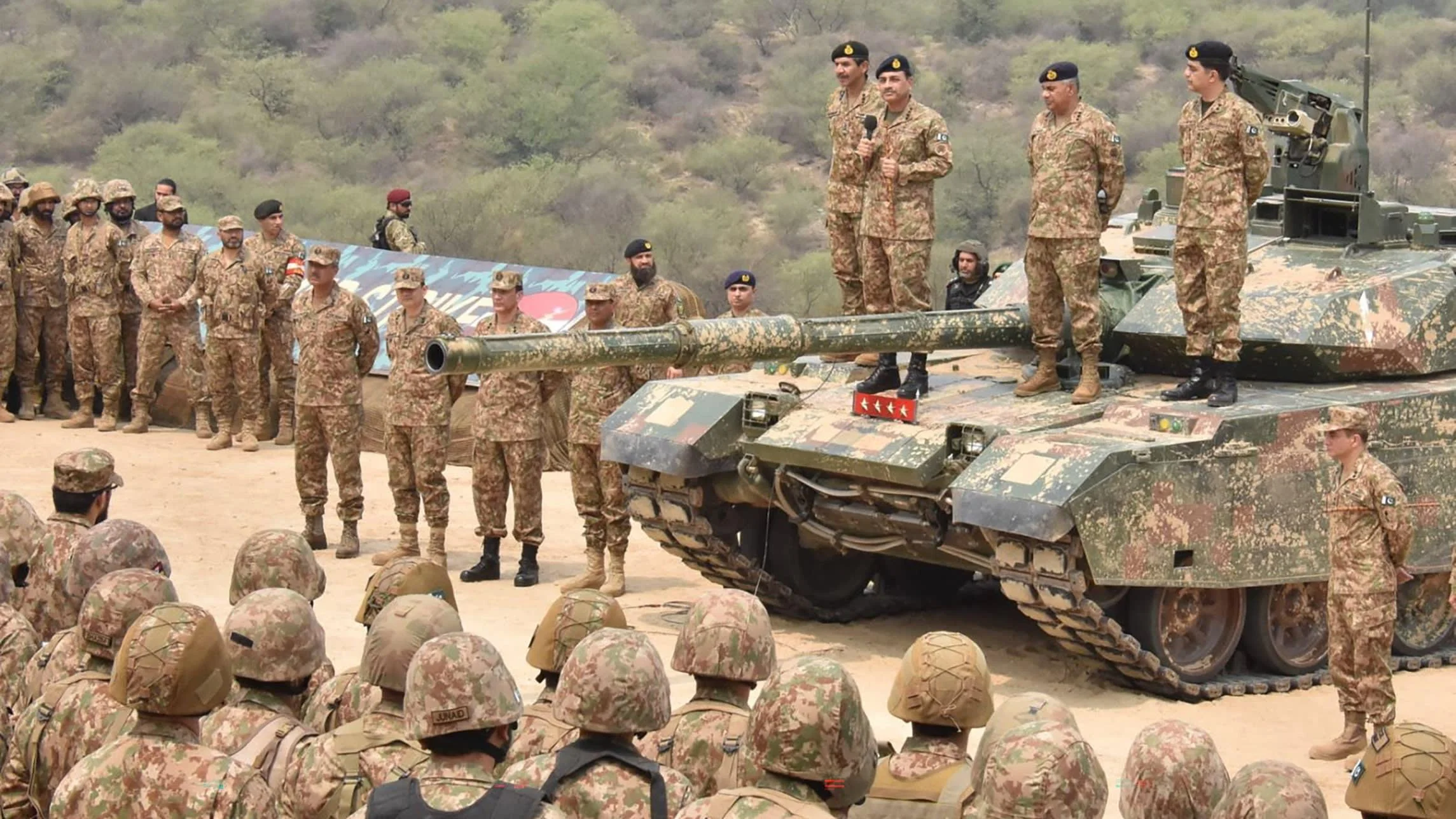
It has once again shared in National Assembly of Pakistan that 75 percent of CPEC is based on pure debts, not foreign direct investments. In this context, the Chinese ambassador in the country personally met with COAS, General Qamar Javed Bajwa and showed serious concerns about the ongoing controversial debate about CPEC. Subsequently, General Bajwa paid a personal visit to China and pledged his country’s support to CPEC.
If there is some burden of debts in CPEC, this needs to be rescheduled and restructured. The new government must draw out a concrete plan for repayments. Ideally it should be repaid after its handing over to Pakistan with a reasonable grace period and the Chinese government and private companies can charge their debts through production and selling of energy supplies to domestic consumers.
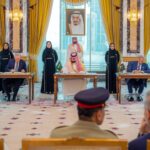
Recently, PM Imran Khan made his first visit to Saudi Arabia. The PTI government then announced that Saudi Arabia would be joining CPEC as the third strategic partner. Diplomatic circles showed serious Chinese displeasure on this move, although the govt said the Chinese have already been taken onboard regarding Saudi involvement in CPEC, as Pakistan cannot jeopardise its relationship with China through such unilateral moves.
There is an urgent need to develop an alternative political narrative with special reference to CPEC. with a potential Saudi investment in Gwadar Mega Oil City, Saudi Arabia can be an excellent candidate for a tripartite partnership. The project will be ultimately used to transport oil to China, not only reducing transportation costs but also addressing the longstanding vulnerability of China with its oil tankers passing through the Strait of Malacca.
It is however feared that Saudi Arabia partnership would not be good for the regional geopolitical and geostrategic balance. Any emerging partnership between China, Pakistan and Saudi Arabia will definitely make Tehran uncomfortable, which is an important BRI ally for China. Furthermore, Iran-India partnership on Chahbahar and Saudi-Pak alliance on Gwadar can potentially increase regional tensions. The involvement of Saudis in CPEC is a good omen and will open up Pakistan for investment from other sources and diversify its investment base. However, such investment should not come at the cost of regional stability or new geopolitical tensions.
There is an urgent need to re negotiate the terms of engagement, transfer of technology and consumption of domestic human resources in the ongoing CPEC project. There is also an urgent need to implement the concept of food and water security along with the development of CPEC. Mega projects of clean drinking water and corporate farming would be ideal combination for the success of the CPEC in the country.
New Chinese technology is expected to convert part of a desert in the Middle East into arable land, which will also serve countries along the Belt and Road route. The technology, called “desert soilization” mixes sand with a special solution obtained from plant extracts which endows sand with the ability to store water, nutrients and air, and the ability to breed microorganisms as arable soil does. It may be used to cultivate desert grass, vegetables and shrubbery. Desertification is expanding at a speed of 50,000 to 70,000 square kilometers globally every year and policy makers in Pakistan should also request for that kind of facility in Cholistan and Thar Deserts to convert sand into profitable agricultural commodity and change the lives of marginalized communities.
With the Chinese in the country, both sides expressed their convergence that social economic development will be an important area under CPEC cooperation between Pakistan and China. The Chinese minister also reaffirmed Beijing’s commitment to the relationship. He said that Pakistan would always be a priority for China in its foreign policy. Pakistan being China’s ‘iron brother’ and strategic partner served as an anchor for regional peace and stability. “China will work with Pakistan to prioritize CPEC projects so as to benefit all regions of Pakistan,” said the Chinese Foreign minister.

CPEC is the mega project worth US$60 billion that has potential to revolutionize industries and achieve greater socio-economic prosperity, regional connectivity and above all shared human survival in the days to come. Twenty-two projects were undertaken as part of the CPEC, out of which nine have been completed while 13 are in progress. CPEC is helping increase growth rate of Pakistani economy by 1-2 per cent every year, besides creating around 70,000 jobs.
Federal Minister for Planning, Development and Reform Makhdoom Khusro Bakhtiar had a meaningful meeting with Ning Jizhe, the vice-chairman of National Development and Reform Commission of China during which both countries agreed to formally invite “third-country” investors to be part of the $60 billion China Pakistan Economic Corridor and add social sector and regional development schemes to the existing portfolio of CPEC projects.
Beijing wanted involvement in the upcoming special economic zones (SEZs) of countries friendly to both Pakistan and China because it wished to steer clear of adverse criticism, particularly from the US and India about possibility of secretive deals that “remain beyond public eye”. It is hoped that Central Asian, European and other countries including Turkey, Russia and Saudi Arabia would invest in the nine SEZs proposed. In this connection, Chinese companies’ investments at Gwadar need to be redefined and redrafted. Gwadar would be re prioritised as a Centre of industries for export markets where other countries could invest alone or in partnership with Pakistan or China, to take advantage of the city’s trans-shipment potential and location apart from the free-zone incentives it offered.
It is strongly recommend that social projects should also be part of the re-negotiated CPEC. Clean drinking water, health, education and technical training must be part and parable of re-negotiated CPEC which can be achieved by making some changes in the seven central pillars of the CPEC’s Long Term Plan. Issues of Rashakai or Hattar SEZ in the first phase of industrial cooperation must be resolved as soon as possible.
Pie new PTI government has reaffirmed its commitment to the CPEC which is gateway to greater regional connectivity and massive industrialization. CPEC, an icon of the Belt and Road Initiative is also an engine of rapid growth for Pakistan and a manifestation of the strong Pak-China relations that would continue to promote inclusiveness but grey areas of it must be turned green for the befitting proposition of Pakistan and China.