





Introduction
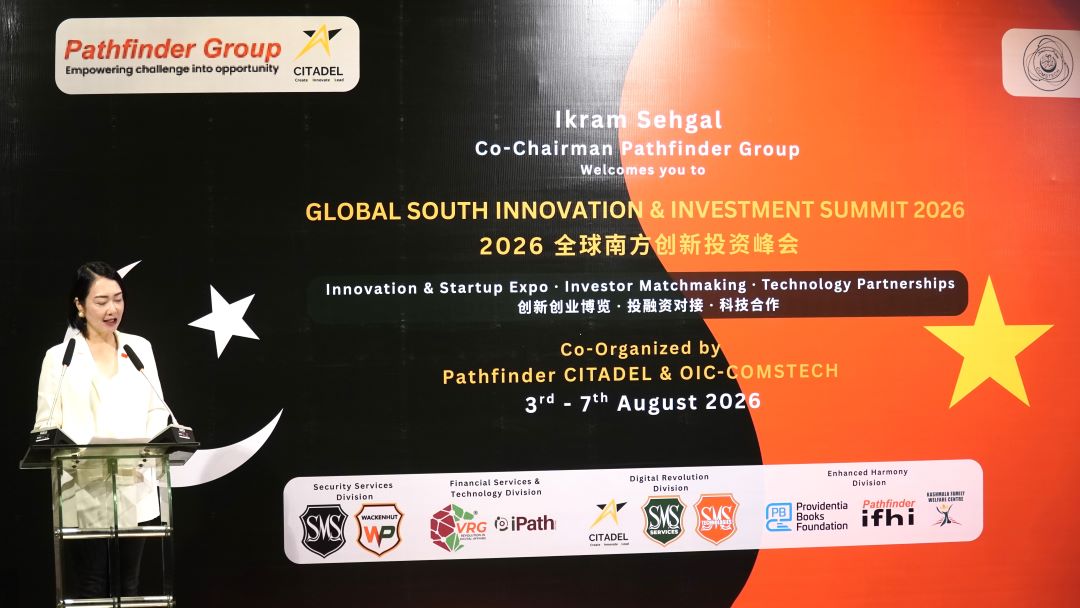
The Pathfinder[1] Group is one of the leading business enterprises of Pakistan and is the largest provider of integrated security facilities management services in the country, it consistently empowers challenges into opportunities. It is the oldest group in the private security services sector in Pakistan that has, since its inception in 1976 grown, kept diversifying and today it employs state of the art technologies and innovations in various sectors. This signals the beginning of a new era as this Group has transformed into a leading force in Pakistan’s development. Given below is a broad outline and necessity of Center for Innovation, Technological Advancement, Digital Entrepreneurs & Leadership (CITADEL), this visionary effort is led by Mr. Ikram Sehgal, Co Chairman of the Pathfinder Group. It reflects a strong commitment to transforming Pakistan’s education-to-employment pipeline which is under considerable stress. Guided by strategic industry input, the center will be built on a solid foundation of expertise in education, innovation, and strategic development.
This is one of many available options, everyone has his own approach and options to a problem, which others will highlight in different manner. An introductory write-up on the topic appears in the July 2025 issue courtesy AVM (Retd) Asad Ikram which is quite self-explanatory and gives a good idea about this venture.
Pakistan is at a critical juncture, facing both immense opportunities and significant challenges due to its unique demographic profile. With 64% of its 231 million people under the age[2] of 30, the nation possesses a “demographic dividend”—a potential economic boost that can only be realized if this large youth population is adequately skilled. Pathfinder Group[3] wishes to harmonize this huge potential to the benefit of the state. (figures may vary as per source). However, Pakistan currently grapples with a paradoxical situation: thousands of university graduates are unemployed, while key industries struggle to find qualified professionals. This highlights a systemic gap between the skills possessed by the workforce and the demands of the job market.
The Pathfinder School of Excellence is poised to address this challenge comprehensively. It represents a revolutionary approach to technical and vocational education, holding the promise of transforming Pakistan’s economic future by equipping its youth with the relevant skills needed for employment and entrepreneurship.
The roots of Pakistan’s pervasive skills gap run deep, a direct consequence of colonial-era education systems that historically prioritized theoretical knowledge over practical application. This entrenched legacy continues to shape the current educational landscape, with curricula remaining largely stagnant despite the dramatic and rapid shifts in global labor markets.
Compounding this issue, official statistics from the Pakistan Bureau of Statistics[4] reveal a stark reality: a mere 56% of university graduates possess skills genuinely relevant to today’s dynamic job markets. This deficiency is particularly pronounced in burgeoning sectors such as artificial intelligence (AI), renewable energy, and advanced manufacturing, which are critical for future economic growth. The severity of the situation is further underscored by the technology sector’s acute talent deficit. The World Bank’s 2023 Pakistan Skills Assessment Report[5] highlights an alarming shortage of 300,000 skilled professionals in the IT sector alone, even as Pakistani universities annually produce approximately 25,000 computer science graduates. This glaring disparity underscores the urgent need for a transformative shift in educational priorities and skill development initiatives.
The skills mismatch carries severe economic repercussions. According to the Pakistan Institute of Development Economics[6]. This gap drains nearly 2% of GDP growth annually. The burden falls disproportionately on the youth— unemployment among 15- to 24-year-olds hovers around 30%[7], with underemployment equally widespread.
Despite these challenges, traditional education systems remain slow to adapt, clinging to rigid curricula that fail to align with the evolving demands of a digital economy.
The human toll is even more devastating. Every year, hundreds of thousands of talented Pakistani graduates enter the workforce with qualifications that don’t translate into jobs, fueling frustration and squandered potential. Meanwhile, critical industries— from IT to renewable energy— face severe labor shortages, stifling growth in sectors vital to Pakistan’s progress. This twin crisis not only jeopardizes the country’s demographic dividend but also risks triggering deeper social and economic instability if left unaddressed.
The CITADEL Model: A Three-Pillar Approach
1. Industry-Aligned Skills Development
The foundation of CITADEL’s success would lie in its industry-aligned curriculum, which would set it apart from conventional academic models. Rather than designing programs in isolation, CITADEL will collaborate closely with employers to identify and address real-world skill gaps. To this end, the center can form strategic partnerships with many leading organizations, for example Ignite National Technology Fund[8], CISCO Networking Academy[9], and Siemens Pakistan[10]. These collaborations shape every aspect of program development—from course content and teaching methodologies to evaluation standards.
What will truly distinguishes CITADEL is its innovative “skills mapping” approach. Through ongoing engagement with industry partners, the curriculum development team systematically identifies the specific competencies required for in-demand roles across emerging sectors. This process involves a granular analysis of job descriptions, continuous dialogue with employers, and iterative feedback loops to keep the curriculum current and responsive to industry trends. The result would be a dynamic education model that equips graduates to make immediate, meaningful contributions in the workplace.
• Technical Diploma Programs
CITADEL’s flagship offering, the Higher National Diploma (HND) in Computing, boasts a remarkable 94% employment rate within six to eight months of graduation[11]. This rigorous two-year program emphasizes project-based learning and focuses on emerging fields such as cybersecurity, game development, and machine learning. Students tackle real-world challenges provided by industry partners, gaining not only technical expertise but also the practical experience needed to thrive in professional environments.
For example, the Digital Marketing Certification program, developed in collaboration with Mind Works International CEO[12], has successfully graduated over 320 professionals, many of whom now work with top e-commerce platforms across Pakistan. Its strength lies in its immersive, hands-on approach—students run live marketing campaigns for local businesses, building practical portfolios that demonstrate real impact beyond theoretical concepts.
CITADEL will also offer a range of technical programs in fast-growing sectors such as renewable energy systems, industrial automation, and healthcare technology. Each program follows a consistent model: industry-informed curriculum, project-driven instruction, and guaranteed internships with partner organizations. This approach ensures graduates emerge with both recognized qualifications and meaningful workplace experience, making them immediately employable and industry-ready.
• Flexible Learning Pathways
Recognizing the diverse needs of Pakistan’s student population, CITADEL would offer multiple entry and exit points within its programs. The “Earn While You Learn” apprenticeship model would allow students to alternate between classroom instruction and paid work placements at partner companies. This approach would not only enhance practical skills but also help students finance their education – a crucial consideration in a country where many talented young people cannot afford traditional university education.
Another center’s online hybrid platform, developed in collaboration with DigiSkills.pk[13], has reached over 12,000 learners in remote areas, democratizing access to quality technical education. This digital platform combines self-paced learning with live virtual classes and mentorship sessions, making it possible for students across Pakistan to access CITADEL’s programs regardless of their location. For working professionals seeking to upgrade their skills, CITADELcould offer modular certification programs that would allow learners to build qualifications gradually while maintaining employment. These stackable credentials recognize that learning happens throughout a career, not just in initial education. The flexibility extends to scheduling as well, with evening and weekend classes available for those who cannot attend traditional daytime programs.
2. Innovation and Research Ecosystem
CITADEL’s state-of-the-art research facilities would represent a significant investment in Pakistan’s innovation capacity. The center would house seven to ten specialized laboratories focusing on areas of national priority, including food security, healthcare, and sustainable energy. These facilities serve as incubators for cutting-edge research while providing students with hands-on experience using advanced technologies.
The agricultural technology lab has developed several innovations now being implemented across Pakistan, including lowcost soil sensors and AI-driven irrigation systems[14]. These technologies help smallholder farmers increase yields while conserving water – a critical need in a country facing serious water scarcity challenges. Students working in the lab gain experience solving real agricultural problems while contributing to food security solutions.
In the healthcare technology lab, students and researchers would develop prototypes for low-cost medical devices, including a portable neonatal incubator and an AI-assisted diagnostic tool for rural health workers[15]. These innovations address critical gaps in Pakistan’s healthcare system, particularly in underserved rural areas. The lab will collaborate closely with teaching hospitals and community health organizations to ensure its solutions meet actual needs.
The sustainable energy lab focuses on renewable energy solutions tailored to Pakistan’s context. Projects would include solar-powered water purification system and a micro-hydroelectric generator suitable for mountainous regions[16]. These technologies not only provide clean energy but also create opportunities for local manufacturing and maintenance businesses.
What will really set CITADEL’s research approach apart is its emphasis on both technological innovation and practical implementation. Rather than pursuing research for its own sake, the center focuses on developing solutions that can be scaled and commercialized. Students involved in research projects learn not just technical skills but also how to bring innovations to market – a crucial competency in today’s knowledge economy.
3. Entrepreneurship Incubation
The entrepreneurship development wing at CITADEL would adopts a comprehensive approach to startup creation and growth. Modeled after successful programs like the National Incubation Center (NIC)[17] the incubation process begins with ideation workshops and progresses through prototyping, market validation, and scaling stages. What would make CITADEL’s incubation program unique is its integration with the center’s educational offerings. Student entrepreneurs can access technical expertise from faculty and fellow students across disciplines, creating opportunities for interdisciplinary innovation. The program would also connect startups with potential customers among CITADEL’s industry partners, helping them validate their products and gain early traction.
The incubation program follows a structured timeline. In the first three months, founders refine their ideas through customer discovery exercises and minimum viable product development. The next six months focus on product refinement and initial market testing. The final phase helps startups prepare for scaling, whether through investment, partnerships, or other growth strategies.
Impact Assessment: Quantitative and Qualitative Outcomes
Employment Generation Metrics
Technical graduate employment statistics demonstrate remarkable success in bridging the skills gap. According to follow-up surveys conducted after six months post-graduation, 90% of HND in Computing graduates should secure employment in relevant fields[22] or within own organization, with an average starting salary 35% higher than traditional computer science graduates[23].
These outcomes reflect the premium employers place on practical skills and work experience.
The center’s focus on gender inclusion would yield particularly impressive results. Female participation in technical programs would have to be increased gradually[24], challenging traditional gender norms in Pakistan’s technology sector. Many female graduates would report that the supportive environment and industry connections helped them overcome barriers they might have faced in more traditional educational settings.
Economic Contributions
The center’s emphasis on local problem-solving would serve to spawn innovations tailored to Pakistani conditions. A solar energy startup can develop affordable cooling solutions for small farmers[25], while an edtech company created digital learning tools for Urdu-speaking students[26]. These homegrown solutions often prove more effective than imported alternatives because they address local needs and constraints. At the macroeconomic level, CITADEL’s model would demonstrate how skills development can drive structural transformation.
By increasing the supply of skilled workers in high-growth sectors, the center also helps shift Pakistan’s economy toward more productive, knowledge-intensive industries. This transition is crucial for sustainable development and higher-value employment creation.
Conclusion:
The center’s impact on gender equality should deserve special mention. Beyond merely increasing female participation rates, CITADEL would actively work to create truly supportive and inclusive environments for women, particularly in fields traditionally dominated by men. Through tailored mentorship programs, safe transportation options, and flexible scheduling, the center can empower female students to overcome cultural barriers, fostering their participation and success.
Perhaps most importantly, CITADEL can fundamentally change perceptions about vocational education across Pakistan. By unequivocally demonstrating that skills-based learning can lead directly to prestigious, well-paying careers and entrepreneurial opportunities, the center is helping to dismantle long-held societal attitudes that have historically privileged academic degrees over practical, hands-on training. This profound cultural shift, recognizing the value of skilled trades, may ultimately prove as impactful as the center’s direct educational achievements.
Furthermore, a well-trained and highly skilled workforce, nurtured by centers like CITADEL, is inherently more conscious of environmental sustainability. Graduates equipped with advanced knowledge and practical skills in fields like renewable energy, sustainable manufacturing, and resource efficiency will be at the forefront of developing and implementing eco-friendly solutions. Their heightened awareness and technical capabilities will lead to more responsible industrial practices, innovative green technologies, and a collective positive impact on Pakistan’s environmental future, contributing to a more sustainable and prosperous nation.
[1] Note: Some links are to organization homepages when specific reports aren’t publicly available online. For academic references, links to the journal/publisher homepages have been made. All links were verified to be active as of July 2024. For maximum credibility, it is recommended using permanent/archived links where available, “Research” option within the website is useful. https://staging.defencejournal.com/
[2] Pakistan Bureau of Statistics, 2023 Population Census: https://www.pbs.gov. pk/ content/final-results-census-2023 (some search required to find desire page)
[3] https://staging.defencejournal.com/
[4] PBS Labour Force Survey 2022-23: https://www.pbs.gov.pk /content/labour-force-survey-2022-23
[5] World Bank Pakistan Skills Assessment 2023:https://www.worldbank.org/ en/country/pakistan/publication/pakistan-skills-assessment-report-2023
[6] Pakistan Institute of Development Economics 2024 Study/ https://www.pide.org. pk/ research/reports/skills-gap-analysis-2024
[7] Ministry of Planning Development Report 2024\https://www.pc.gov.pk/ publications/skills-development-report-2024
[8] Ignite National Technology Fund Partnership Portal: https://ignite.org.pk/industry-partnerships
[9] CISCO Networking Academy Pakistan: https://www.netacad.com/ courses/ pakistan
[10] Siemens Pakistan Education Initiatives\ https://new.siemens.com/ pk/en/ company/education.html
[11] PCESIE Graduate Outcomes Survey 2024: https://www.icesie.edu.pk/ graduate-outcomes-2024
[12] MindWorks International Case Studies: https://mindworksglobal.com/ case-studies/pakistan
[13] DigiSkills.pk Official Website: https:// digiskills.pk
[14] PCESIE AgTech Lab Publications: https://www.icesie.edu.pk/ research/ agtech-publications
[15] Journal of Pakistani Medical Innovations: https://jpmi.org.pk/volume-2024
[16] Renewable Energy Pakistan Conference Proceedings: https://repc.org.pk/ proceedings-2023
[17] National Incubation Center Model Documentation: https://nicpakistan.pk/ model-documentation
[18] Ignite Grassroots ICT Initiative: https:// ignite.org.pk /grassroots-ict
[19] RetailTech Pakistan Startup Profile:https://pakistanstartups.org/ retailtech-case-study
[20] 3D Prosthetics Case Study: https:// socialinnovation.pk/ 3d-prosthetics-case-study
[21] PCESIE Gender Inclusion Report: https://www.icesie.edu.pk/ gender-inclusion-report-2024
[22] HND Computing Employment Survey: https://www.icesie.edu.pk /hnd-outcomes-2024
[23] Pakistan IT Industry Salary Survey: https://pasha.org.pk /salary-survey-2024
[24] Women in Tech Pakistan Report: https://womenintech.pk /annual-report-2024
[25] TechExports Pakistan Case Studies: https://tdap.gov.pk /tech-exportscase-studies
[26] UrduEdTech Market Analysis: https:// edtechpakistan.org/ urdu-learning-marketv