




A Multi-Dimensional Perspective
Introduction Pakistan stands at the forefront of the global struggle against terrorism, often facing this daunting unconventional war in isolation. Despite the immense sacrifices made by the people and Pakistan Armed Forces, they remain a primary target for extremist elements. To bring this conflict to a logical conclusion, it is imperative to recognize that this is not merely a military endeavor but a collective national duty. Historically, the roots of this crisis can be traced back to the “bitter” era of the Cold War, where specific Islamic ideologies were militarized to serve as instruments of “Proxy Warfare.”[1] The world, particularly Muslim nations, continues to endure the fallout of those strategic choices today.
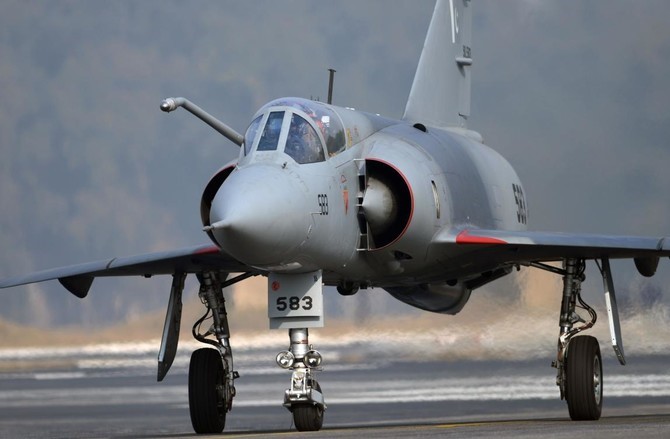
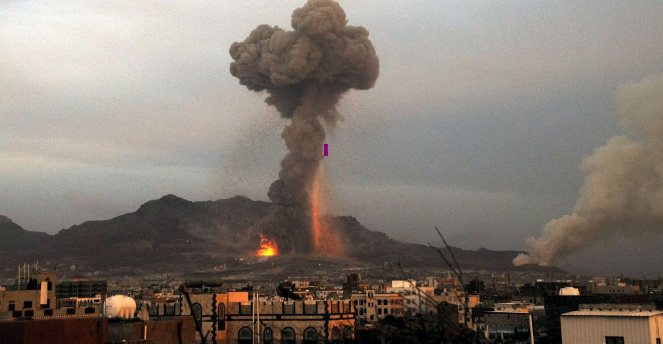
In modern defense strategy, success hinges on a delicate balance between Kinetic and Non-Kinetic responses. A kinetic response relies on physical and material power—targeting the enemy’s physical presence, hideouts, and weaponry. While this approach yields immediate, short-term results and is necessary to establish the state’s writ, its scope is limited to the physical elimination of threats. In contrast, the philosophy of a non-kinetic response is rooted in intellectual, economic, and ideological strength. It targets the enemy’s mindset, resources, and narrative. Though it is a long-term process with slower results, its ultimate goal is to mentally deactivate the enemy and rehabilitate them as functional members of society.
Addressing a complex “disease” like terrorism based on Islamic narrative requires uprooting the underlying ideology through non-kinetic tools such as education, economic stability, and a robust counter-narrative. Relying on a single method is insufficient. There is an urgent need for a consistent presence across print media, radio, TV, and digital platforms like YouTube and social media to counter
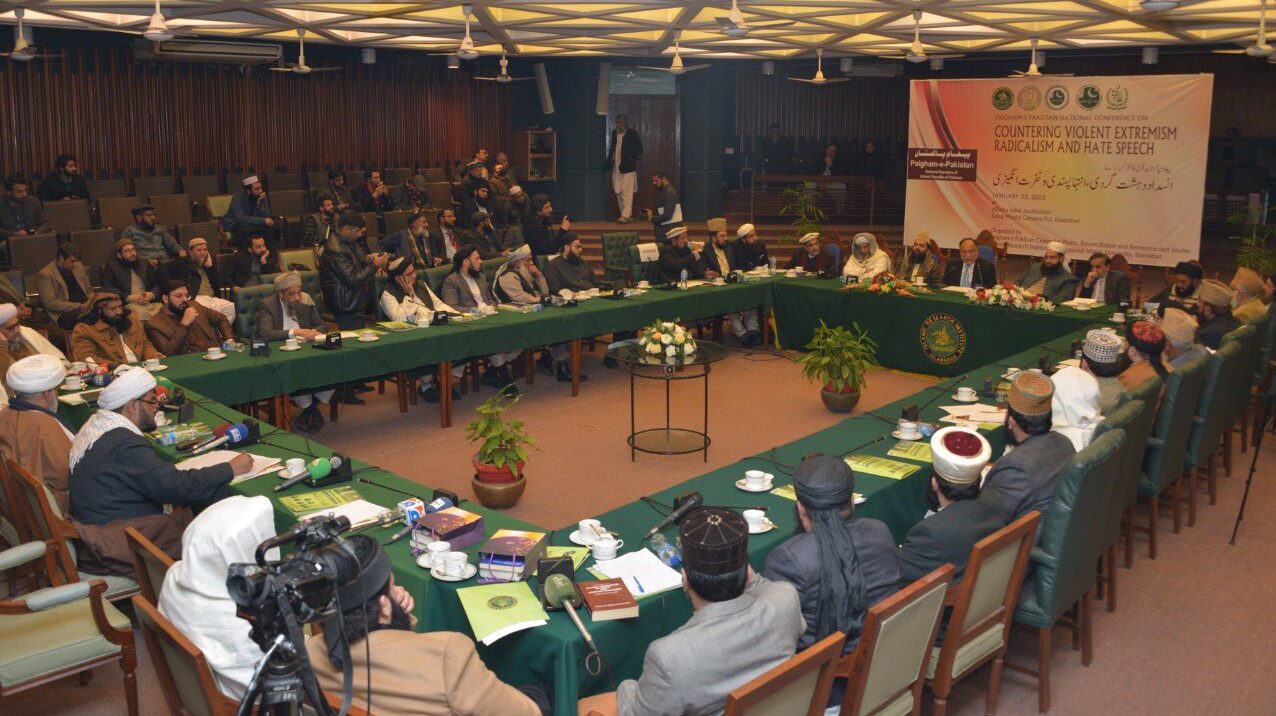
distorted ideologies, particularly in regional languages like Pashto. While Pakistan has initiated several institutional steps, such as the establishment of NACTA (National Counter Terrorism Authority) for policy-making and the Strategic Communication Division to counter “5th Generation Warfare,” the lack of continuity has often hampered progress. A landmark achievement in this regard is “Paigham-e-Pakistan,”[2] a consensus fatwa from hundreds of scholars across all schools of thought which declared armed struggle against the state as Haram (prohibited).
Problems
Despite these efforts, total success remains elusive due to several systemic barriers. Political instability provides a vacuum for extremist groups to flourish, while the educational gap between traditional schools and religious madrasas create intellectual contradictions. Furthermore, economic hardship remains a critical factor, as unemployed youth are easily lured by extremist recruitment in the name of religion or financial gain. To truly cure this ailment, the state must increase the budget and focus on the non-kinetic front, employing psychologists, scholars, and technology experts who can win this war with “logic” rather than just the gun.
When sacred ideologies like Islam are exploited for political or financial interests by the experts, they transform from beliefs into a “business.” To counter this, a multi-faceted strategy is required. First, a strong counter-narrative must clarify through authentic scholars that Jihad is the sole prerogative of the state, not private militias. Second, the educational curriculum must be reformed to remove any material that promotes intolerance. Third, the financial backbone of these groups must be broken by tightening the grip on money laundering, Hawala, and Hundi networks, while the international community must pressure states that use such groups for political ends.
Ultimately, the battle is won through social and economic justice. Extremist groups thrive in areas plagued by poverty, ignorance, and injustice. When youth are provided with employment, quality education, and legal protection, they become positive contributors to society rather than tools for destruction. This must be coupled with the absolute Rule of Law where no group is permitted to function as a “state within a state.” Finally, because terrorism respects no borders, regional cooperation between neighbors—including Pakistan, India, Afghanistan, Iran, and Central Asian states—is vital for intelligence sharing and joint operations. This struggle will not end overnight, but with the state, the scholars, and the public on one page, those who use sacred names for unholy purposes can finally be isolated.
Paigham-e-Pakistan (The Message of Pakistan)
Paigham-e-Pakistan (The Message of Pakistan)[3] is a landmark national document released in January 2018. It represents a historic ideological consensus, signed by over 1,800 eminent scholars (Ulema) from all major Islamic schools of thought—including Deobandi, Barelvi, Ahl-e-Hadith, and Shia.1 This declaration serves as the theological backbone of Pakistan’s “Non-Kinetic” war against terrorism.[4] Due to some unknown reasons this national document has been sidelined.
Some of the specific, critical points of the declaration are:
The Absolute Prohibition of Armed Rebellion
The cornerstone of the declaration is the unanimous decree that armed struggle against the State of Pakistan is strictly Haram (prohibited). The scholars ruled that using force to impose a specific religious or political ideology is a violation of both Islamic law and the Constitution. This point directly targets the narrative of groups like the TTP, ISIS and alike, stripping them of their claim that they are fighting a “holy war” against the government.[5]
The Ruling on Suicide Bombings
The fatwa provides an unequivocal condemnation of suicide attacks.2 It states that suicide bombings are a form of self-murder and the murder of innocents, both of which are grave sins in Islam. It further clarifies that those who brainwash youth into becoming suicide bombers, and those who provide them with logistics or hideouts are equally complicit in this crime against humanity.
State Monopoly on Jihad
Refining the concept of Jihad-bis-Saif (Jihad by the sword), the declaration reinforces that only the Islamic State has the authority to declare or initiate Jihad. No private individual, organization, or group has the right to declare war or conduct “holy raids.” This effectively delegitimizes all non-state actors and private militias, emphasizing that any act of violence outside the state’s command is considered Fasad (mischief and chaos), not Jihad.
Restriction of “Takfir” (Excommunication)
One of the most dangerous tools of extremists is Takfir—the act of declaring a fellow Muslim an infidel (Kafir) to justify their killing. Paigham-e-Pakistan restricts the authority of Takfir exclusively to the State and the Judiciary. It forbids individuals or religious leaders from issuing fatwas of apostasy against government officials, security forces, or common citizens. This point is crucial for ending sectarian violence and internal bloodshed.
Protection of Non-Muslim Citizens
The declaration underscores the sanctity of the lives, property, and places of worship of non-Muslims. It reminds the nation that non-Muslims in Pakistan are citizens with equal rights under the “Mithaq-e-Madina” (Covenant of Medina) model. The scholars declared that any act of violence against minorities or the desecration of their religious sites is un-Islamic and a betrayal of the Prophet’s (ﷺ) teachings.
Intellectual and Educational Reform
Beyond legal rulings, the document calls for a unified educational narrative. It suggests that the teachings of Paigham-e-Pakistan should be integrated into the curricula of both traditional madrasas and modern universities.
The goal is to ensure that the next generation is immunized against extremist propaganda and understands the “True Jihad” as the struggle for knowledge, self-improvement, and the development of the country. By uniting the often-divided religious leadership on a single platform, Paigham-e-Pakistan achieved what force alone could not: it delinked Islam from terrorism. It provided the State with the moral authority to pursue kinetic operations (like Zarb-e-Azb and Radd-ulFasaad) while simultaneously fighting the “War of Narratives” to win back the hearts and minds of the people.[6] It should be read in each Masjid during Friday address, to create familiarization and understanding. There are over 600000 Masjids and over 36000 registered seminaries[7], if Fitna-al-Khawarij and terrorism by TTP is highlighted in the light of Paigam-e-Pakistan[8] the outlook will change. The Khawarij and their sympathisers would know the real picture and deception. Even in the Askri colonies and cantonment Masjids this aspect is ignored. Is it ignorance, lack of interest or conspiracy? In July 2024, the government designated the banned Tehreek-i-Taliban Pakistan (TTP) as Fitna-al-Khawarij, while mandating all institutions to use the term khariji (outcast)[9] when referring to the perpetrators of terrorist attacks on Pakistan. This is good initiative, but specifically mentioning this phrase by some, as a prefix reduced its effectiveness[10].
The Role of Social Media: A Strategic Overview
The role of social media in the modern era is that of a double-edged sword, adding layers of complexity to the issue of extremism. While it has democratized access to information, it has simultaneously provided terrorist groups with “digital oxygen,” allowing their influence to breathe and expand across borders. Social media currently impacts both the spread of this social malady and its potential cure in the following ways:
The Spread of Extremism (The Negative Aspect)
The digital landscape has fundamentally altered the spread of extremism, as terrorist organizations no longer require physical headquarters or traditional recruitment centers; instead, they have infiltrated the mobile phones in our very pockets. These groups strategically exploit social media as a potent recruitment tool, using emotionally charged videos and manipulative half-truths to lure vulnerable youth into their fold. By presenting their violent operations through a lens of glamorized propaganda, they successfully captivate and radicalize innocent minds by making extremism appear heroic or necessary. Furthermore, the shift toward encrypted applications, such as Telegram, provides a secure channel for direct communication, allowing these organizations to issue specific instructions to their operatives without the immediate fear of being traced or apprehended by state authorities.
The Counter-Narrative (The Positive Aspect: Paigham-e-Pakistan)
When utilized correctly, social media can transform from a vulnerability into a vital cure for the disease of extremism, serving as the primary delivery system for a powerful counter-narrative. Through the framework of Paigham-e-Pakistan, this is achieved first through immediate rebuttal where eminent scholars and intellectuals can instantly disseminate video messages to dispel religious misconceptions and provide accurate context the moment extremist content appears. Complementing this are broad awareness campaigns designed to educate the public on the reality that the true motives behind these groups are often rooted in cynical political or financial gain rather than genuine religious devotion. Finally, this intellectual defense is bolstered by strict technological monitoring, where Artificial Intelligence (AI) is now being used to identify and block hate speech or extremist propaganda at the point of upload, ensuring that the digital space remains a platform for peace and logic rather than a tool for radicalization.
Cherry-Pick Verses
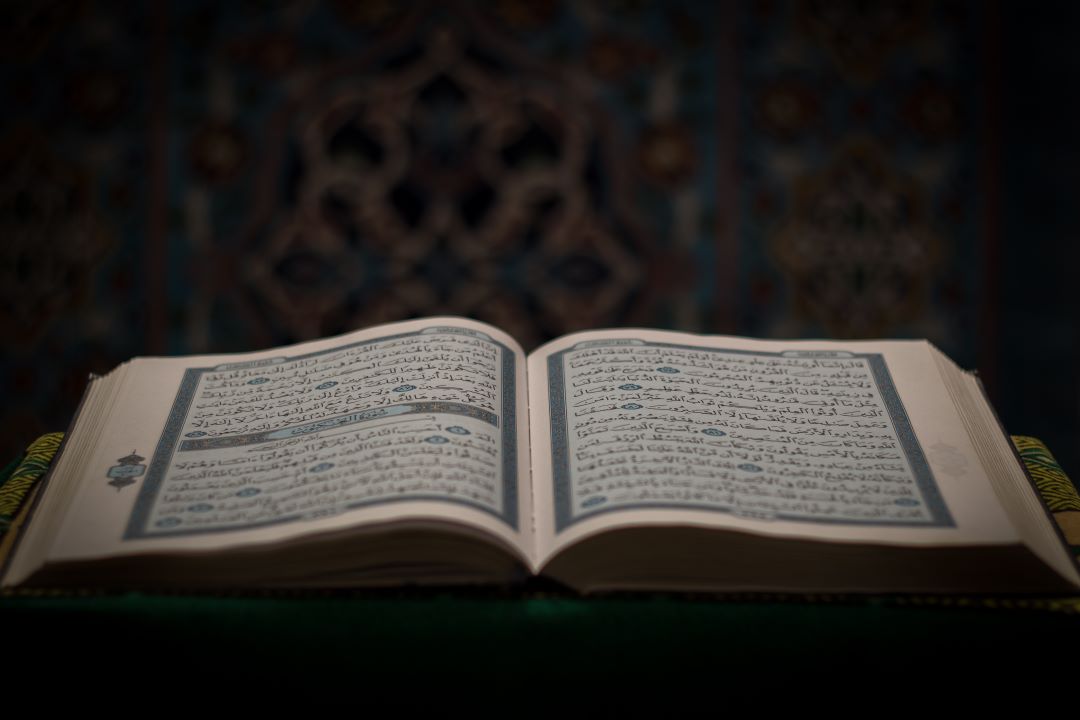
Extremist groups and critics alike often use “cherry-picking”—the act of taking a verse out of its historical, linguistic, and textual context—to justify violence or promote Islamophobia.[11] Here is one example of distortion of word; “The “Auliya” Verse (Surah AlMa’idah 5:51). Extremists often quote: “O you who believe! Take not the Jews and the Christians as Auliya…” and translate Auliya simply as “friends” to justify isolation and hatred.[12]. This verse was revealed during a period of active warfare and treachery. Most scholars, including Yusuf Ali and Ibn Kathir clarify that this forbids taking them as “strategic military allies” or “legal guardians” in a way that compromises the safety of the Muslim community during war. Though under compulsion, even that may be permissible to avoid their oppression in prudence (3:28). Just a few verses earlier (5:5), the Quran allows Muslims to marry People of the Book and eat their food. It is logically impossible for the Quran to allow you to marry someone (the most intimate form of friendship and love) while simultaneously forbidding you from being “friends” with them.
The Universal Rule of Relationship (Quran; 60:8-9) Extremists almost always ignore these verses because they provide the definitive “Standard Operating Procedure” for how Muslims should interact with non-Muslims.
60:8: “Allah does not forbid you to deal justly and kindly with those who fought not against you on account of religion nor drove you out of your homes. Indeed, Allah loves those who deal with equity.”
60:9: “It is only as regards those who fought against you… and drove you out of your homes… that Allah forbids you to befriend them.” Islam draws a clear line between a non-believer (who is entitled to kindness and justice) and a belligerent enemy (who is actively attacking you)۔
Extremists try to blur this line to make everyone an enemy. This is just one example from many, which exposes their technique.
The Digital Cycle of Terrorism
To effectively combat extremist propaganda, it is crucial to under stand the specific psychological process—the Modus Operandi—that terrorist groups employ through a four-stage digital cycle. This cycle begins with Grooming, where social media is scoured to identify vulnerable youth who are either highly emotional or deeply dissatisfied with their societal circumstances. This is followed by Isolation, a phase where targets are psychologically detached from their support systems and convinced that the entire world is hostile toward them and their faith, leaving the extremist group as their only “true” sympathizer. Once isolated, the process moves into Indoctrination, utilizing misinformation and out-of context media specifically designed to incite intense anger and resentment. Finally, the cycle culminates in Mobilization, where the mentally prepared individual is pushed toward specific violent actions through a combination of financial lures and “promises of paradise,” completing the transition from a digital target to an active operative.
Way Forward
Achieving victory in the conflict over social media necessitates a proactive and multifaceted approach that targets the roots of radicalization through three primary channels. At the core of this effort is the promotion of digital literacy, which empowers the public to critically assess rather than blindly trust emotionally charged content, making the verification of facts a vital national habit. This social resilience must be supported by rigorous state monitoring, utilizing effective cybercrime laws to ensure that any platforms or accounts promoting or glamorizing terrorism are identified and shut down without delay. Ultimately, the most sustainable solution lies in the creation of compelling alternative narratives—high-quality digital content that presents the principles of peace, tolerance, and true human values in an attractive and engaging format that rivals extremist propaganda. For those seeking to contribute to or learn more about these critical initiatives, the Paigham-e-Pakistan[13] portal serves as a comprehensive resource for the national counter-narrative.
Practical Steps
• Intellectual Front
To effectively treat the “disease” of extremism on social media, we must operate on a robust Intellectual Front that directly counters the emotional exploitation used by terrorist groups. This counter-strategy hinges on the immediate provision of facts; by disseminating authentic information and correct religious interpretations the moment a misleading video or message goes viral, the state can prevent a “first impression” based on falsehoods from taking root in the public mind. Ultimately, success on this front requires winning the war of narratives, where messages of peace, tolerance, and humanity are crafted to be just as creative, engaging, and persuasive as the propaganda produced by militant organizations.
• Technical and Legal Front
On the “Technical and Legal Front” technology must be strategically repurposed as a shield to safeguard the digital landscape against extremist groups. A primary component of this approach is the utilization of advanced algorithms through close collaboration with social media platforms to develop systems that can automatically detect, censor, or delete radicalizing content the moment it is uploaded. Accompanying these technical measures is the rigorous enforcement of cyber laws, which ensure that individuals spreading hate speech are brought to justice. By establishing a definitive system of “reward and punishment” within the digital realm, the state can create a powerful deterrent that prevents bad actors from exploiting online spaces for nefarious purposes.
• Social and Psychological Front
The “Social and Psychological Front” stands as the most critical dimension of this multi-faceted strategy because it addresses the human element and the psychological vulnerabilities that extremists exploit. Central to this effort is the advancement of digital literacy which empowers the public—and parents in particular—with the tools to monitor their children’s online activities and identify the individuals or ideologies exerting influence over them. However, defense alone is insufficient; we must also provide alternative platforms that actively engage the youth in constructive pursuits such as sports and the arts. By creating these positive outlets, society can successfully redirect youthful energy away from destructive narratives and toward meaningful social contributions that foster a more resilient and harmonious nation. In short, the cure for this disease is found not just in restrictions and bans, but in a “better narrative.” When the voice of truth becomes more powerful, attractive, and creative than lies, the “propaganda shop” will effectively be forced to close its doors.[14]
• A Critical Point: The “Digital Vacuum”
When the state or educated individuals remain silent, that void is inevitably filled by terrorist propaganda. It is, therefore, essential that the voices of “peace and logic” become louder on the internet.
Traditional Methods vs. Modern Warfare
Traditional Methods
The conflict between traditional methods and modern warfare highlights a significant strategic gap, as states often rely on aging tactics while extremist enemies have become increasingly “high-tech.” One primary traditional approach is the use of force (Militancy vs. Military), based on the assumption that destroying hideouts or eliminating key leaders will solve the problem. However, the fundamental limitation of this method is that while physical force can eliminate bodies, it cannot destroy “thoughts” or beliefs; as long as the underlying ideology remains intact, a new leader will inevitably emerge to replace the old one, perpetuating the cycle of violence. The combat-related deaths in 2025 rose by 73 pc[15].
Similarly, the strategy of mere banning—where governments frequently shut down organizations or websites—has proven increasingly ineffective in the digital age. Because of the decentralized nature of the internet, enforcement is incredibly difficult; as soon as one platform is closed, it quickly reappears under a different name or is accessed through proxies, making total suppression nearly impossible. Furthermore, formal condemnations, such as standard television or newspaper statements asserting that “terrorism has no religion,” have largely lost their impact. These messages have become clichéd and fail to resonate with the younger generation because they are not delivered in the dynamic, engaging language of social media that defines modern communication.
Modern Methodologies
In contrast to these outdated approaches, Modern Methodologies prioritize the use of Soft Power and Intelligence to address the root causes of radicalization. This shift includes comprehensive rehabilitation and mental reform programs, which focus on de-radicalizing individuals rather than just imprisoning them, allowing for their eventual reintegration into society as peaceful citizens. Furthermore, the state has moved into the realm of digital warfare; while physical threats are still met with kinetic force, there is a renewed emphasis on countering extremist propaganda with superior, logic-based digital content such as professional videos, blogs, and social media posts. Finally, modern strategy links security directly to economic stability. By establishing factories, vocational centers, and schools in impoverished or marginalized regions where extremist groups traditionally recruit, the state addresses the underlying socio-economic grievances that fuel militancy.
Ultimately, this approach recognizes that to uproot the “disease” of terrorism, the state must use education, technology, and economic empowerment as its primary weapons, ensuring that the voice of peace is supported by tangible progress and a compelling digital presence.
In brief, if we rely solely on old methods (Police and Army), this war will never end. To uproot this disease, we must adopt education (narratives, social media), economy, and technology as our primary weapons.
The Power of Feed
While the government balances kinetic and non-kinetic strategies to ensure national success, your role as an ordinary citizen in this ideological war is as critical as that of a soldier or policymaker. Because the primary target of terrorism is public opinion, your social media presence serves as a vital weapon against the spread of extremist narratives. You can act as a digital gatekeeper by ending unverified sharing; by pausing to verify emotional videos or provocative news before hitting share, you prevent yourself from becoming an accidental conduit for propaganda. Beyond mere silence, you can actively challenge narratives through counter-speech, using logic and evidence to dismantle hateful rhetoric—one well-reasoned comment can influence hundreds of silent observers. Furthermore, you have the power to amplify positivity by engaging with stories of interfaith harmony and humanitarian heroism, which forces social media algorithms to prioritize constructive content over negative narratives. Finally, utilizing the reporting tools on platforms like Facebook, X, and YouTube allows you to conduct a form of “cyber jihad” from home, effectively neutralizing profiles that incite violence. In this digital age, your conscious engagement is the ultimate defense against the disease of terrorism.
A Key Psychological Point
Terrorist groups want to create “fear and division” in society. When you speak of unity, patience, and tolerance on social media, you defeat their core objective. The state fights the “Kinetic” (physical) war, but every citizen with a smartphone must fight the “Ideological” war. Your “social media feed” is your front line; it is your weapon and your Non-Kinetic action.
Conclusion
The essence of this discussion is that the war against terrorism is no longer confined to borders; it has reached our homes and our mobile phones. While the state dismantles the enemy’s physical structure through Kinetic force under the National Action Plan and holds the Non-Kinetic front through narratives like “Paigham-e-Pakistan,” every citizen is a vital soldier in this ideological battle.
In this context, the role of an ordinary citizen is equal to that of a policymaker. When you pause to verify an emotional post before sharing, you are breaking the chain of enemy propaganda and defending your own mind. Speaking with logic and tolerance instead of merely arguing is the true “Counter-Narrative” that hollows out the roots of extremism. By promoting constructive and humanitarian content, we fill the intellectual vacuum that malicious elements exploit for their nefarious ends.
It should be remembered that the state’s job is to establish peace, but maintaining that peace on a permanent basis is the moral responsibility of every individual in society. Your “social media feed” is your real battlefield, where every “click” decides the future of the country. Let us use this responsible Non-Kinetic action to uproot this persistent disease once and for all.[16]
https://docs.google.com/document/d/e/2PACX-1vRKm2j0OaqiJp0afixkhjT4FWgDrZCew_AkGJLvnZkfSD9NG-lQbdliO8IlLvplE_am0eOiJpp82Le/pub
[1] Frankenstein the CIA created – From Mujahideen to Al-Qaida, Takfiri Taliban: https://takfiritaliban.blogspot. com/2014/02/frankenstein-cia-created.html
[2] https://PaighamPakistan.wordpress.com
[3] https://PaighamPakistan.wordpress.com
[4] The author discussed with Dr. Zia-ul-Haq, at International Islamic University Islamabad (IIUI), Director General of the Islamic Research Institute (IRI) at IIUI, the key figure in initiating the Paigham-e-Pakistan project and obtained the script to make website.
[5] Rebellion against Sinner Muslim rulers: https://takfiritaliban.blogspot.com/2013/12/blog-post.html
[6] https://PaighamPakistan.wordpress.com, https://TakfiriTaliban.blogspot.com
[7] Economic Census of Pakistan 23-2024: https://tribune.com.pk/story/2562526
[8] https://PaighamPakistan.wordpress.com ,https://TakfiriTaliban.blogspot.com , https://islamphobia.wordpress. com/
[9] https://takfiritaliban.blogspot.com/2013/10/who-are-khawarij-inpakistan-critical.html
[10] https://www.dawn.com/news/1917495 / https://islamphobia.wordpress.com/
[11] (9:5), (2:191), (5:51), (4:34), (9:29) They deliberately ignore the Quranic verses that form the foundation of the “Peace Narrative,” like; (5:32), (2:256), (49:13), (60:8), (8:61).
[12] https://youtu.be/gsGkYFfOFEg?si=L-6FNmAQDToXRWVe https://corpus.quran.com/
[13] https://PaighamPakistan.wordpress.com , https://TakfiriTaliban.blogspot.com , https://islamphobia.word- press.com/
[14] https://PaighamPakistan.wordpress.com , https://islamphobia.wordpress.com/
[15] According to statistics released by the Islamabad-based Pakistan Institute for Conflict and Security Studies (PICSS), combat-related deaths in 2025 rose by 73pc to 3,387, compared with 1,950 in 2024. The fatalities included 2,115 militants, 664 security forces personnel, 580 civilians and 28 members of pro-government peace committees (combatants). The fatalities included 2,115 militants, 664 security forces personnel, 580 civilians and 28 members of pro-government peace committees (combatants). (https://www.dawn.com/news/1963856/counterterrorism-toll-in-2025-surged-by-73pc-picss)
[16] https://PaighamPakistan.wordpress.com https://islamphobia.wordpress.com/