
“I, against my brothers. I and my brothers against my cousins. I and my brothers and my cousins against the world.” Arab Bedouin proverb
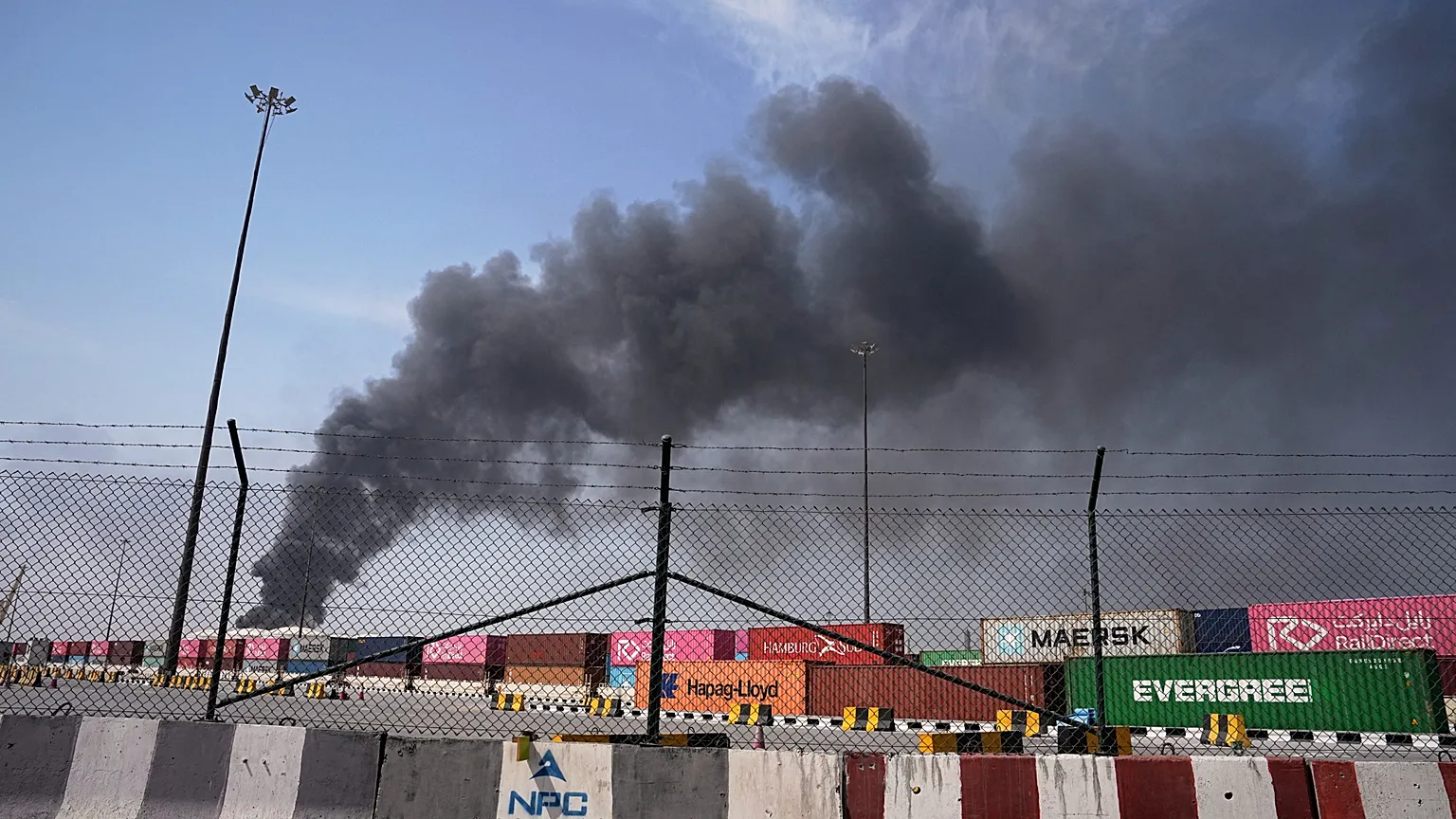
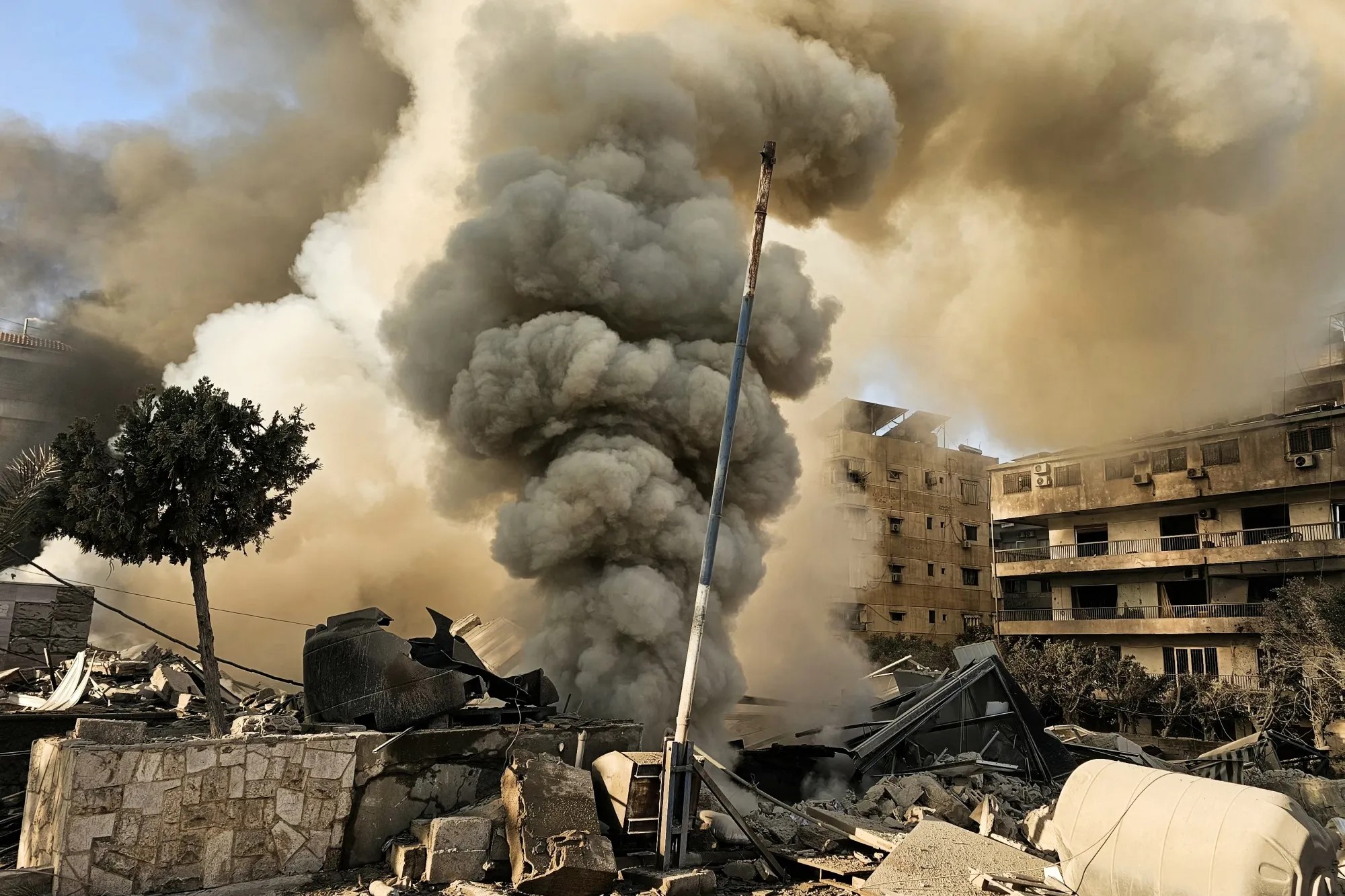
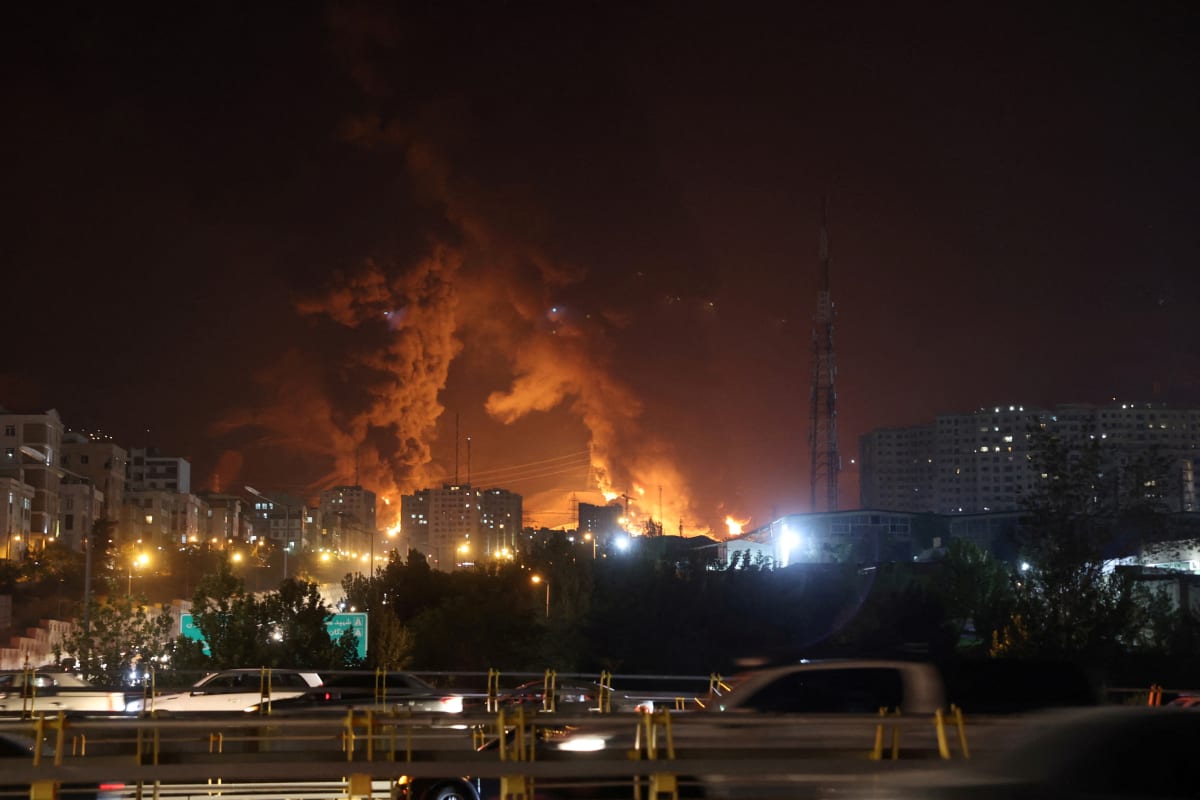
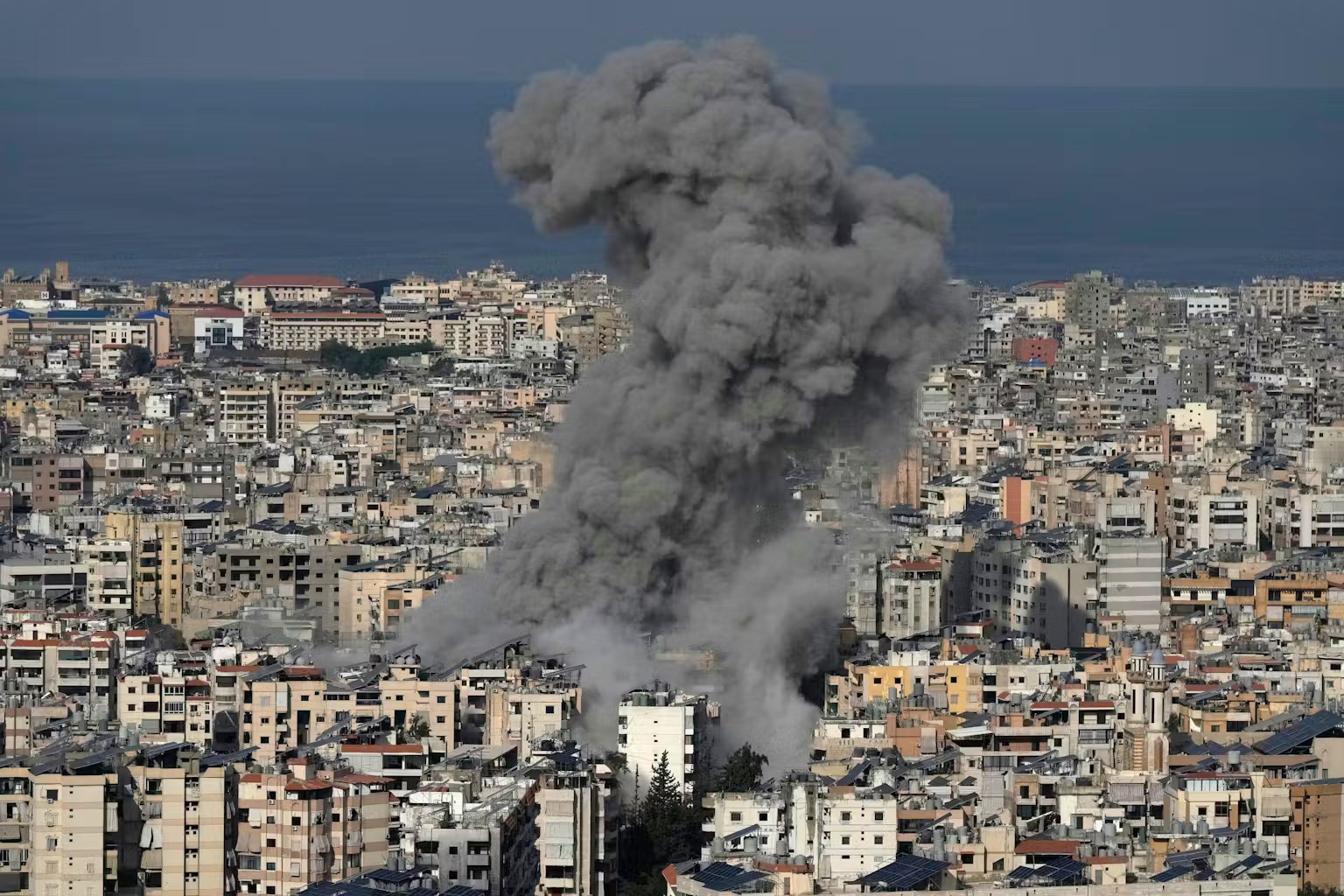
The U.S.-Israeli war against Iran has put Gulf countries in a bind. U.S. and its regional ally Israel started the war without any consultation with the Gulf countries and Iran is targeting military and economic targets in the Gulf that hosts several American military bases. Gulf countries have awakened to the reality that their ally and security guarantor made the crucial decision of waging war in their backyard without even the courtesy of consulting them while they are left high and dry to suffer losses. It is not only physical damage but shattering of the image of the Gulf as secure and stable hub of commerce, logistics, finance, and tourism. It will take much longer to regain global trust than the repair of physical damage.
The Gulf countries are facing the most serious challenge of their generation, but response of each country is different to the current crisis. This is due to recent history of different approaches and outright clashes among member states. These countries are run by hereditary monarchies and a generational shift has occurred in the last decade. In 2013, Shaikh Tamim bin Hamad al Thani became the ruler of Qatar, in 2014 Shaikh Muhammad Bin Zaid (MBZ) became the de facto ruler of Abu Dhabi and later President of the United Arab Emirates (UAE) and in 2015, Muhammad Bin Salman (MBS) became the de factor ruler of Saudi Arabia (SA) when his ailing father King Salman bin Abdul Aziz became the King and in 2017 MBS was nominated Crown Prince by changing the succession line. The younger generation is more dynamic but at the same time more impetuous and started punching way above their weight class. In 2015, MBZ and MBS ventured into the Yemen civil war with heavy investment in military operations. After a few frustrating years, MBS took the exit annoying MBZ. Qatar got involved in civil wars in Libya and Syria as the tag team partner of Turkey. In 2017, MBZ and MBS joined hands against Qatar shutting down land and air routes. They took their complaints to President Trump who in his usual way told them that if they have a problem, they should take care of it. MBZ and MBS took this as a signal and started considering outright invasion of Qatar. The Secretary of State Rex Tillerson sat down with Trump to explain to him the U.S. interests in the region and apparently Trump did not even know that the U.S. had the largest air base in Qatar. Finally, Trump called MBS and MBZ to back off.
Qatar survived the SA and UAE onslaught for several years and finally relations were resumed in 2022, but Tamim has not forgotten that stab in the back. By 2025, MBS and MBZ drifted apart due to intense economic competition and differences over civil wars in Yemen and Sudan. The public rupture occurred when MBZ was forced to pull all its military assets from Southern Yemen. The relentless Iranian attacks on Gulf infrastructure have infuriated Gulf leaders and hardened attitudes. Privately, most leaders are of the view that even if the regime survives, it should be degraded significantly so that it cannot threaten the region for at least a decade. UAE and Bahrain are more vocal and now publicly advocating this position on international forums and media. UAE has strengthened its security ties with Israel in the last decade and position of both countries in confronting Iran has converged. Bahrain is the only country with serious domestic challenge in view of its majority Shia population that has sympathy with Iran, and this factor is the major reason for Bahrain’s hawkish stance that can only be maintained by closer alliance with the United States and Israel. Kuwait traditionally opted for a neutral stance, but it has suffered heavily from Iranian attacks, and its position is changing and it is moving into the hawkish camp.
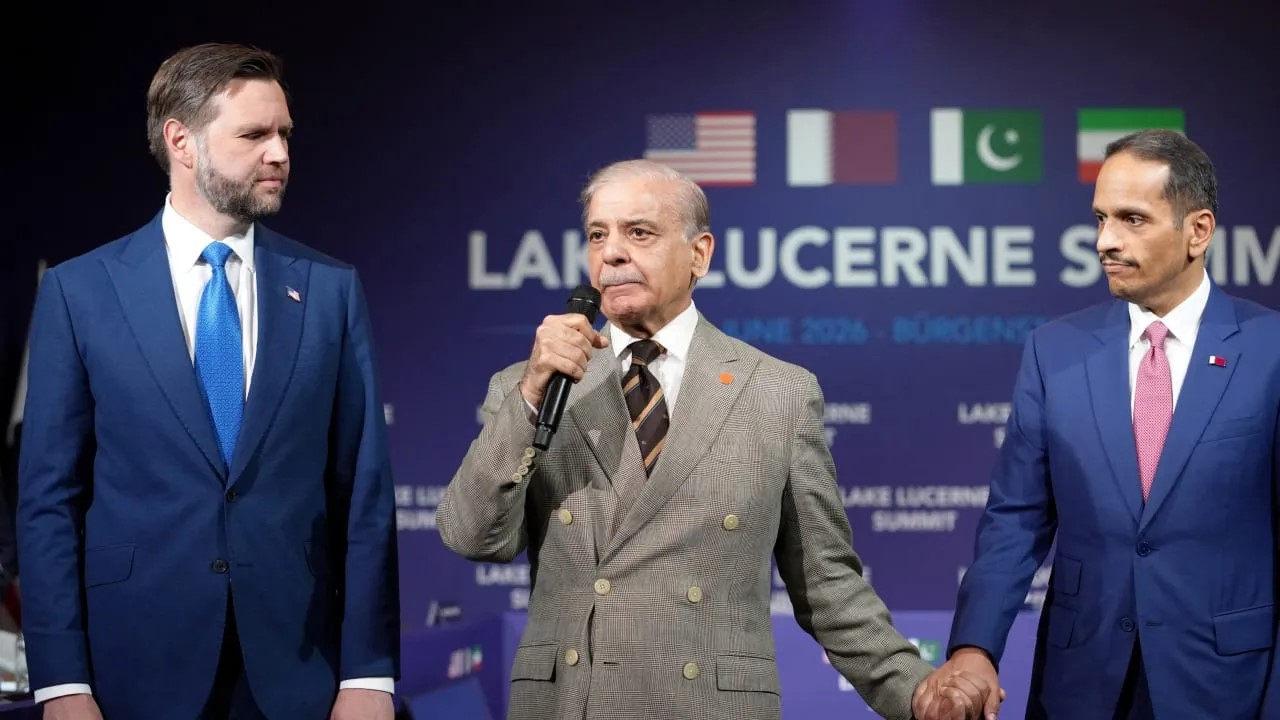
Qatar is advocating for a diplomatic approach and this is based on recent history and economic interests. When SA and UAE boycotted Qatar, Iran provided the key supply route for Qatari products and doubled bilateral trade. Qatar shares its natural gas reserves with Iran in the Gulf, and this vital economic interest alone is a major factor in working relations between the two countries. Oman has followed a neutrality principle in all regional conflicts. The majority of the population follows the moderate Ibadi school of Islam, which does not promote strong sectarian views about Iran. Traditionally, Oman has worked as negotiator between Iran and the United States and in this crisis too, Oman is publicly advocating for diplomacy. Oman was also instrumental in negotiating a ceasefire between Yemen’s Houthis and United States in 2025. SA is privately advocating more degradation of Iranian military capacity before a ceasefire to get at least a decade of reprieve.
However, in view of extreme unpopularity of U.S.-Israel war against Iran globally and especially on the Muslim streets makes any public support of more attacks against Iran extremely negative. Any shift of SA position will determine whether hawkish camp of UAE and Bahrain or the dove camp of Qatar and Oman gets any traction. In short term, SA will maintain its current stance to secure its long-term economic interest.
The real questions related to security and economy will be asked once the shooting stops. The four weeks score card about largest forward deployment of American military machine against a country that has been sanctioned and isolated for five decades is not impressive.
Audit of damage to U.S. bases from information gathered from publicly available data, commercial satellite imagery and Pentagon’s own reports to the Congress shows asymmetry. Long range radar system at Umme Dahal to cover al Udaid Air base in Qatar costing $1billion was destroyed essentially making the base non-operational.
In the absence of radar coverage all aircraft and personnel were moved out of the base. Prince Sultan Air Base in SA saw two major drone attacks in two weeks resulting in damage to about ten KC-135 air to air refueling tankers ($70 million apiece) and destruction of AWACS E-3 Sentry reconnaissance aircraft ($300 million). Air Defense radar system ($500 million) of Muwaffaq air base in Jordan was significantly damaged. U.S. Navy’s Fifth Fleet is based in Bahrain and after damage to its radar ($200 million), personnel were moved out to hotels and office buildings. Around 1500 have been flown to Germany and repatriated back to Norfolk naval base in U.S. Al Dhafra base in UAE operates MQ-9 Reaper surveillance drones ($30 million apiece) and about a dozen have been destroyed. Ali al Salem air base and army base at Camp Arifjan in Kuwait have also come under attack damaging radar, communications, and logistics.
The security structure put in place in the Gulf during the Cold War with deeply embedded conventional military doctrine, though extremely expensive, has proved ineffective to meet existing challenges that revolve around asymmetrical responses. This forward deployment concept rather than projecting power and ensuring deterrence has proved to be inadequate to meet basic needs. The adversary saw forward deployed assets as closer targets that could be hit and invited more risky adventures rather than deterrence. Gulf countries relied on a distant security guarantor that resulted in complacence. Regional diplomatic and conflict management avenues and self-reliance were not pursued as a major plank of security policy.
In the short term, in view of fear and anger, Gulf leaders will move more closely towards Washington and try to get Trump’s attention by buying more military hardware. Talks are already rapidly progressing for $ 8 billion buying spree by UAE and another $ 8 billion by Kuwait from United States. Bahrain and Qatar will likely follow the course.
UAE and Bahrain already have robust relations with Israel, and we will most likely see increase in covert cooperation with Israel.
All countries will increase domestic spending to avoid economic hardship of their population. More important will be to restore morale as the population feels completely exposed despite spending billions on defense.
In view of divergent economic interests, history of recent personal clashes among princes, weak institutional base and highly personalized decision-making process with no self-correcting mechanism in the system, it is likely that key decisions about the region will be made in Washington, Tel Aviv and Tehran and Gulf leaders will be simply reacting to events on the ground.
Financial recovery will be fairly quick due to high oil and gas prices and large sovereign wealth funds. More important is the fact that the Gulf brand has been severely damaged, and it will take a lot of effort and some time to repair the damage.
Gulf leaders need to reflect, carefully evaluate genesis of the current crisis and listen to voices other than their own to prepare for the future challenges.
“Whatever is recovered from a loss is a profit.”
A Persian proverb