



The art of negotiation during conflict is often romanticised as a moment of breakthrough – a dramatic handshake, a sudden concession, a historic document signed under the flash of cameras. In reality, diplomacy is rarely so cinematic. It is slow, iterative, and frequently frustrating. The recently failed negotiations between the United States and Iran in Pakistan are a reminder of this truth.
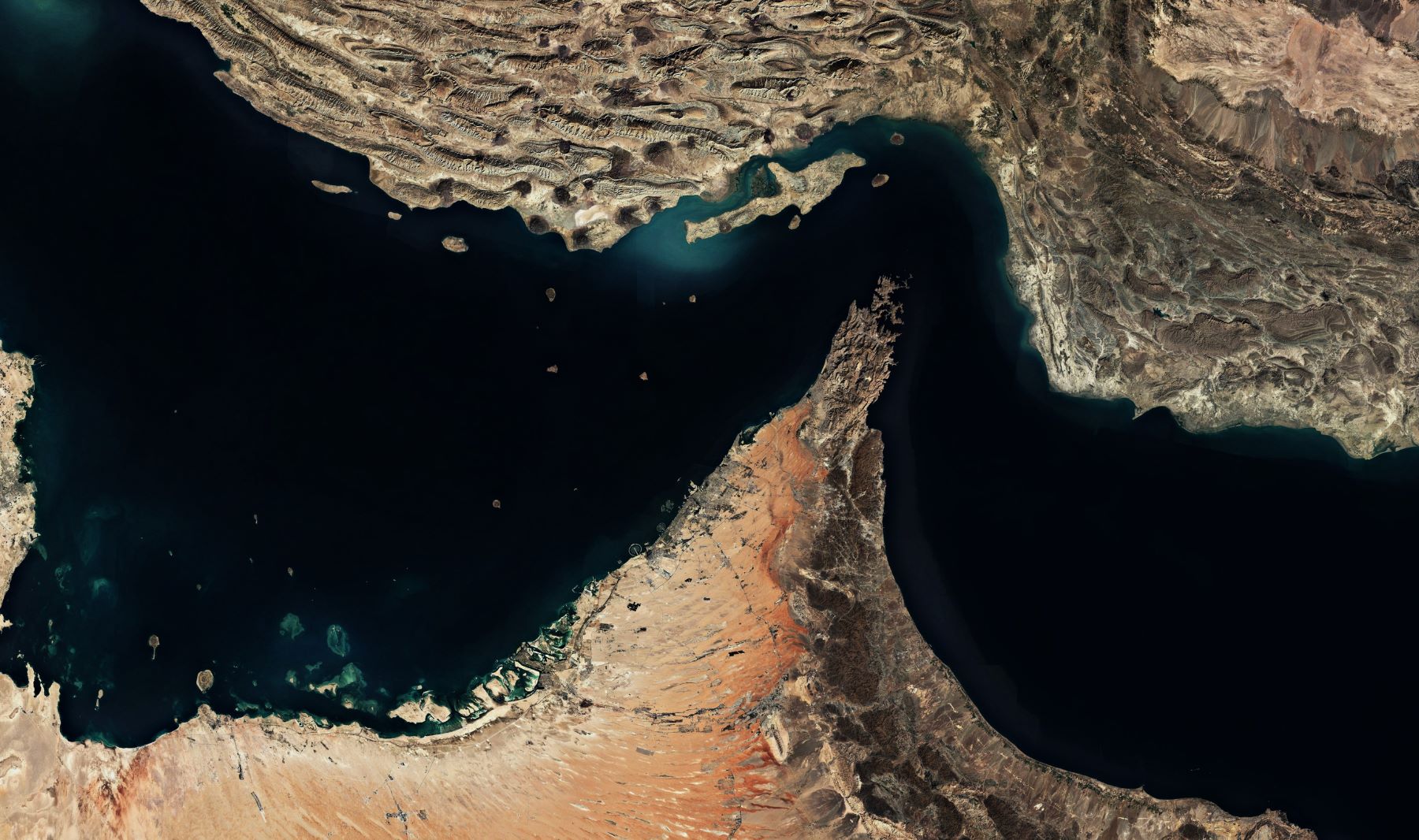
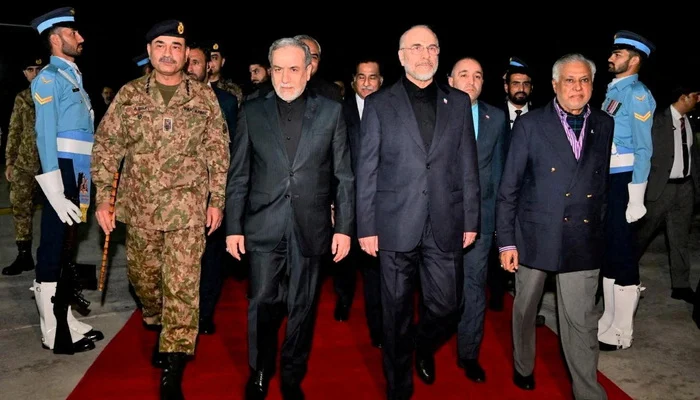
After twenty-one hours of intense discussions in Islamabad, the two sides walked away without agreement, each citing mistrust and irreconcilable demands. Yet the absence of a deal does not mean the absence of progress. Nor does it diminish the significance of Pakistan’s role in bringing two bitter adversaries to the same table at a moment of heightened regional tension. The Islamabad talks were the highest‑level engagement between Washington and Tehran since the Iranian Revolution of 1979. Expectations were high, but so were the obstacles. The United States pressed Iran for what it described as a fundamental commitment not to pursue nuclear weapons or the capabilities that could enable rapid development of such weapons. Iran, for its part, insisted that no agreement was possible without credible guarantees that it would not face further attacks and that sanctions relief and regional security issues – particularly the Strait of Hormuz – were addressed.
Both sides arrived with deep mistrust, hardened by decades of hostility and sharpened by the immediate context of a six‑week conflict.
Iranian officials were quick to note that no one should have expected a breakthrough in a single sitting. Their point was not rhetorical. It reflects a foundational principle of conflict diplomacy: the first round of talks is rarely about resolution. It is about testing intentions, mapping red lines, and determining whether further dialogue is worthwhile. The United States left Islamabad saying Iran had refused to accept its terms. Iran countered that the United States had failed to gain its trust. These duelling narratives are not signs of diplomatic collapse; they are signs of diplomatic reality
History offers ample evidence that major negotiations almost never succeed in their opening round
The Camp David process that eventually produced peace between Egypt and Israel in 1978 was preceded by years of failed attempts, mutual suspicion, and intermittent conflict. The 2015 Joint Comprehensive Plan of Action – the Iran nuclear deal – was the product of years of back‑channel discussions, formal negotiations, walkouts, recalibrations, and painstaking confidence‑building. Even the Good Friday Agreement, which ended decades of conflict in Northern Ireland, followed repeated failures, broken ceasefires, and negotiations that seemed doomed until the very last moment. In each case, the early rounds were marked by posturing, mistrust, and the absence of tangible progress. Yet those early failures were essential.
They clarified what was possible, what was not, and what each side needed to feel secure enough to move forward.
Seen through this historical lens, the Islamabad talks were not an aberration but part of a familiar diplomatic pattern. The absence of a deal in the first sitting is not a verdict on the future of negotiations. It is simply the first chapter in a process that, if it continues, will require patience, persistence, and political courage from all sides.
What makes the Islamabad round particularly noteworthy is the role played by Pakistan. At a time when regional alignments are shifting and trust is in short supply, Pakistan managed to bring the United States and Iran – two states with a long history of hostility – into the same room for the highest‑level dialogue in nearly half a century.
This achievement is not trivial. It required Islamabad to maintain credibility with both sides, a task made more complex by Pakistan’s longstanding ties with Saudi Arabia. Walking this diplomatic tightrope demanded careful signalling, quiet assurances, and a posture of neutrality that few regional actors could credibly maintain.
Pakistan’s diplomatic performance extended beyond simply hosting the talks. After the American delegation departed, Iranian negotiators remained in Islamabad for some time to continue discussions with Pakistani mediators. This detail matters. It suggests that Pakistan was not merely a venue but an active facilitator – one that both sides trusted enough to engage with even after the formal negotiations had ended. In a region where diplomatic leadership is often contested, Pakistan’s ability to convene and mediate such high‑stakes talks enhances its profile as a responsible and stabilising actor.
Critics may argue that the talks failed, and therefore Pakistan’s efforts were inconsequential. But this view misunderstands the nature of conflict diplomacy. Success is not measured solely by immediate outcomes. It is measured by the creation of channels, the reduction of misperceptions, and the establishment of a framework for continued engagement.
By that standard, Pakistan performed well. It created space for dialogue at a moment when escalation seemed more likely than negotiation.
It maintained trust with both Tehran and Washington while avoiding alienation from Riyadh. And it demonstrated that even in a polarised regional environment, it could serve as a credible intermediary.
The Islamabad talks also offer broader lessons about the art of negotiation during conflict.
Trust remains the essential currency of diplomacy, and it cannot be manufactured in a single meeting
It must be built through repeated engagement, consistent behaviour, and verifiable commitments. Power dynamics shape outcomes, and when both sides believe they hold leverage – as the United States and Iran clearly did – compromise becomes more difficult.
First rounds are for signalling, not settling. And third‑party mediation, when credible and well‑timed, can create openings that would otherwise not exist.
The failure of the Islamabad talks should therefore be seen not as a diplomatic dead end but as part of a longer, iterative process. No one expected a breakthrough in a single session – not Iran, not Pakistan, and not seasoned observers of international diplomacy.
What matters now is whether the parties return to the table and whether Pakistan continues to leverage its unique position to facilitate dialogue. In a region defined by shifting alliances and deep‑rooted tensions, the ability to convene adversaries is itself a form of influence.
Diplomacy is an art, not an event. It requires patience, persistence, and the willingness to try again after failure
The Islamabad talks, despite their inconclusive outcome, reaffirm this truth.
They also highlight the quiet but meaningful role Pakistan can play in shaping the region’s diplomatic landscape.