Recently the Kingdom of Saudi Arabia celebrated its 85th National Day. Saudi Arabia holds an important position in the comity of nations and is well-known for its moderate policies; it always works for global peace and collective prosperity of all people living around the globe. Its shared destiny approach changed the fates of many struggling people in the world. Moreover, its unmatched regional as well as international humanitarian campaigns and financial generosity has succeeded in turning tears into smiles.
Wise Leadership
Under the wise leadership of His Majesty, Saudi Arabia continues to shine as a beacon of progress and stability in the region. Moreover, Saudi Arabia provides the confident leadership to overcome the regional turmoil and conflict, and steer the region toward sustained peace and progress in the near future.
Moderate Policies
The Kingdom of Saudi Arabia with its moderate and balanced outlook/policies has changed the political and economic landscapes of Gulf Cooperation Council (GCC) and Middle East and North Africa (MENA) too. Right from the beginning, it supported the international community in various fields and levels for peace to combat terrorism and extremism in all its forms. It eliminated terror financing in collaboration with the international community and international organisations.
Balanced Policies for World Peace
King Abdul Aziz bin Abdurrahman bin Al-Saud the founder of modern Saudi Arabia and his sons after his death, up to this present time, have adopted balanced and moderate policies towards the Saudi people and the world. Massive economical and developmental policies covering the fields of security, economic, social, health and education is taking place inside the country that assures all the Saudi people and residents of a decent livelihood.
Important Role in Regional & Global Economic Development
The Kingdom plays an important role in global and regional economic developments and is a leading player in strengthening partnerships with Arab bilateral and multilateral partners for development assistance and scaling up support for countries in transition in many parts of the world. Despite global weak economic conditions and ongoing financial crunch, it has one of the fastest and most stable economic growth patterns in the world.
Balanced Oil Policy
The international oil industry is passing through difficult times and its fluctuations have already produced shock and awe in some countries. But being one of the biggest and most important oil producing country (oil reserves, production capacity, export volume and refining capacity) in the world, Saudi Arabia is following a balanced approach. It adopts a clear and explicit oil policy: ensure the flow of oil to international markets despite the emerging regional conflicts in order to support the stability of the world’s economy which depends on oil as an important strategic commodity.
It possesses 19 per cent of the world’s total reserves, 12 percent of the world’s total production and more than 20 percent of Middle East’s oil sales in the international markets. Its production capacity reaches up to 12.5 million barrels per day during 2015.
Socio-Economic Transformation
Its wise leadership played remarkable role in the onward march of socio-economic prosperity. It introduced many meaningful short, medium and long term economic policies and financial reforms to make its economy competitive in the region and at international stage alike. Numerous programs of socio-economy have already raised the levels of qualitative life, education, housing, health and above all trust between the people and the prevailing system in the country.
Many ongoing mega industrial projects have further strengthened the productivity levels. Inflows of FDIs, massive construction, employment generation, higher education, consumer price stability, and the last but not the least immense increase in wages has merged the Kingdom as one of the ideal country to live in.


Unprecedented Period of Socio-Economic Prosperity
Due to rigorous economic and financial reforms and liberalization of economy its macro-economy has enjoyed an unprecedented period of prosperity since 2000. Macroeconomic policies have been business and investment friendly which created many new jobs too. It has consistently implemented initiatives to achieve economic diversification and growth of the non-oil private sector.
Knowledge Base Economy
Now its economy is knowledge based. It has best human resources, nets of industrial clusters, upgrade transportation infrastructures and support housing projects. The Saudi economy has continued to take advantage of these state initiatives which have been complemented by robust non-oil private sector activity.
It is also the fourth ideal destination for the foreigner expats in the world. Saudi Arabia is the largest free market economy in the Middle East and North Africa holding 25 percent share of the total Arab’s GDP. The Kingdom’s geographic location provides easy access to export markets in Europe, Asia and Africa.
Despite regional socio-economic meltdown, deteriorating law and order situation in many parts of the region and above all high levels of political uncertainty, it has surpassed the previous levels of productivity, efficacy, expansion and above all profitability in associated sectors and sub-sectors of national economy.
Human Friendly Governance
Prevalent societal divide in many key regional countries the society of the Kingdom is united and harmonized. The system of governance has been in the line of fire in many regional countries, but in case of Saudi Arabia the system is fully intact, dynamic and articulated. According to many regional research studies and international monetary agencies reports its macro-economy’s major indicators are positive, stable and strong.
Macro-Economy 2014-15
According to latest Financial Stability Report (2015), overall, the Saudi economy has continued to perform well despite the recent deterioration in oil prices. All key real and financial macroeconomic indicators showed sustained improvement.
Constant Current Account Surpluses
Constant current account surpluses resulted in the strong build-up of foreign reserves, sizable budget surpluses for several years and significant reduction in the public debt. Real GDP remained stable Consumer Price Index (CPI) inflation remained subdued especially due to the downward pressure on food price inflation in line with falling international food prices.
Monetary Policy
Monetary policy settings also remained supportive of investment and growth. Policy rates remained low continued to perform well as it continues to be supportive to monetary policy, trade, investment and financial assets.
GDP
According to latest Financial Stability Report (2015), its real GDP growth has remained strong, averaging 5.2 percent growth over the past five years. Moreover, the non-oil sector continued to show sustained dynamism, with an average growth of 6.8 percent over the last five years. Non-oil sector stayed strong over the past two years growing by 6.4 and 5.1 percent in 2013 and 2014 respectively. The main drivers of private sector growth were construction, manufacturing, and trade that grew by 6.70 percent, 6.54 percent, 5.9 percent and 7 percent respectively.

Low Inflation Rates
The government succeeded to manage the inflationary pressure within the targets. It has remained subdued over the past five years, as Consumer Price Index (CPI) averaged 3.3 percent. Furthermore, Inflation fell to 2.7 percent in 2014 from 3.5 percent the year before.
Financial Conditions Stable & Supportive of Economic Growth
The report indicates that financial conditions in Saudi Arabia have remained stable and supportive of economic growth in recent years. While the monetary base expanded by 8.4 percent annually during 2010-14, M3, which comprises currency in circulation and aggregate bank deposits, grew at 10.7 percent annually during the same period. These conditions resulted primarily from rising current account surpluses, a rapid growth of public spending, and low market interest rates that were set in line with SAMA’s accommodative policy stance.

Build of Foreign Reserves
The recent buildup of SAMA’s foreign reserves to the extent of SAR 2.8 trillion as of December 2014 is yet another positive development set to contribute to the stability of exchange rates.
External Sector
The report further shows that the overall balance of payments position strengthened considerably in recent years. The current account surplus, largely driven by high oil prices and level of production, rose by about seven times in the space of three years to SAR 617.9 billion in 2012 from only SAR 78.6 billion in 2009.

Capital Flows
Financial Stability report says that the net capital inflows in Saudi Arabia remained relatively stable through 2013 despite heightened capital flow volatility caused by recent global developments. Net capital flow, reflected by the country’s financial account, increased during the third and fourth quarters of 2013.
| Selected Economic Indicators | 2010 | 2011 | 2012 | 2013 | 2014 |
| GDP per capita (USD) | 19,111 | 23,594 | 25,136 | 24,815 | 24,451 |
| GDP (USD bn) | 527 | 669 | 734 | 744 | 752 |
| Economic Growth (GDP, annual variation in %) | 4.8 | 10.0 | 5.4 | 2.7 | 3.6 |
| Investment (annual variation in %) | 10.6 | 15.6 | 5.0 | 5.6 | – |
| Industrial Production (annual variation in %) | 6.2 | 12.0 | 4.9 | 0.2 | 2.9 |
| Fiscal Balance (% of GDP) | 4.4 | 11.6 | 13.6 | 6.5 | -1.9 |
| Current Account (% of GDP) | 12.7 | 23.7 | 22.4 | 18.2 | 10.8 |
| Current Account Balance (USD bn) | 66.7 | 159 | 165 | 135 | 81.2 |
| Trade Balance (USD billion) | 154 | 245 | 247 | 223 | 188 |
| Exports (USD billion) | 251 | 365 | 388 | 376 | 343 |
| Imports (USD billion) | 97.4 | 120 | 142 | 153 | 155 |
Future Prospects
(a) Impact of the drop in oil prices may not materialize in the short to medium term
It is predicted that having strong fiscal position and healthy financial system, the impact of the drop in oil prices may not materialize in the short to medium term.
(b) Government Spending Remained expansionary
Government spending remained expansionary, public debt is at record low levels, and foreign reserves are at high a level which provides a buffer against macroeconomic shocks. Additionally, the quality of credit in the financial sector is high with defaults and non-performing loans at record low levels.
(c) Stability & Sustainability of Macro-Economy
Its macro-economy is likely to maintain stability and sustainability in the long term. Government spending in 2015 will continue to be strong; as of January 2015, there are 439 billion riyals (over $117 billion) in a special government account designated for capital projects such as public housing, schools, hospitals, public transportation, and other major projects. It will continue to boost the Saudi economy and continue the strong growth in the private sector, which is projected to show a steady expansion of 6.0 percent in real terms through 2016.
(d) Strong Capital and Liquidity Position
Saudi Arabia’s macro-economy is stable and sustainable. It has a strong position to mitigate the impact of an adverse external development. It has strong capital and liquidity position that would largely neutralize the impact of this unfavourable development. The constant government support to back up domestic counter-cyclical growth initiatives by virtue of strong fiscal position and large holdings of foreign assets would manage the potential negative consequences. The Saudi financial system is expected to remain strong enough to provide the support required to dissipate the unfavourable impact of adverse future developments and to ensure financial stability.
According to International Monetary Agency (IMF) latest report economic growth in Saudi Arabia would be above 3.5 to 4 percent during 2014-15 because of government spending and robust private sector activity.

Massive Economic Diversification
Saudi Arabia is taking all possible measures to further diversify its national economy with the help of different short and long terms programs and policies in the fields of power generation, massive industrialization, renewables, SMEs and private sector etc.
| Main Exports (2014-15) | % | Main Imports (2014-15) | % |
| Mineral Products | 87.7 | Machinery & Transport Equipment | 43.3 |
| Chemicals | 4.9 | Chemical Base Metal Products | 22.9 |
| Others | 4.5 | Food stuffs, vegetables, live animals | 14.3 |
| Plastics | 4.5 |
Important Components of Economic Diversification
The Saudi Arabian government has successfully diversified its macro-economy through power generation, telecommunications, natural gas exploration and petrochemical sectors. Saudi Arabia acceded to WTO in 2005 for seeking greater ratios of FDIs and FPIs. It is carried a multi-billion dollar development strategy to build six Greenfield economic cities and industrial zones in the country. By 2020, the industrial cities will generate USD 150 billion in GDP and create 1.3 million jobs. Its sincere efforts to shift from an oil-based economy to a knowledge-based economy are substantiated by the record non-oil exports in 2013-14. Exports oriented policies achieved high current account surplus.
Its recent announcements such as increase in the use of unconventional gas supplies, solar energy adoption and introduction of nuclear and renewable energy are value-addition. Its diversification of economy has increased its net foreign assets by nearly $166 billion in 2012 and the funds are set to surpass $one trillion in 2015 for the first time in the Kingdom’s history.

Saudi Arabian 10th Development Plan
It concentrated more on the quality of the spending, the quality of the deliverables and the quality of the services that are provided to its people. It took new qualitative measures to improve its economic development, signalling a potential shift of emphasis in its drive to raise living standards by spending tens of billions of dollars on welfare.
International Data Corporation (IDC)
According to a latest report by International Data Corporation (IDC), Saudi Arabia’s healthcare IT market is forecast to rise by 11 percent annually and is one of the fastest growing markets in the world. IT spending in Saudi Arabia is due to modernization and expansion of hospitals and clinics as the country looks to increase its bed capacity to 30,000. Healthcare is also the second fastest growing sector after government in terms of IT spending. The report also predicts that IT support services will be the fastest growing service areas in the country.
| Different Sectors of the Economy (2014-15) | Percentage % |
| Mining & Quarrying | 44.8 |
| Trade & Services | 35.1 |
| Manufacturing | 10.0 |
| Construction | 4.8 |
| Petroleum | 2.4 |
| Agriculture, Forestry & Fishing | 1.8 |
| Electricity, gas & water | 1.1 |
Credit Ratings
At the time when a number of industrial countries are witnessing a decline in their credit ratings, Fitch Credit Rating Agency declared the Kingdom’s sovereign credit rating from (AA-) to (AA) with a stable outlook, strengthening confidence in its national economy and making it more attractive to massive foreign investments.
Banking System
Saudi Arabia has a modern banking industry. Saudi banks provide retail and corporate banking, investment services, brokerage facilities, and derivative transactions in addition to credit cards, ATMs and point-of-sale transactions. The banking sector is the largest sector segment of Saudi financial system with total assets equivalent to 75.6 percent of the national output. The number of banks operating in Saudi Arabia totalled 24 at the end of 2014 including 12 branches of foreign banks. There are also banks in the Kingdom that provide Islamic banking services. All banks, combined, have an extensive network of 1,912 branches besides 15,516 Automated Teller Machines (ATMs).
Basic Strength
The Saudi banking sector is the largest segment of the Saudi financial system, is well capitalized, profitable and liquid. Its external exposure is also limited in terms of both external lending and borrowing. Banks’ assets quality continued to show sustained improvement despite considerable credit expansion in recent years.
Reducing NPLs
The non-performing loan ratios continued to decline due to sound credit risk management policies and corporate governance. Saudi banks’ external exposure in terms of both external lending and borrowing also remained limited. Saudi banks were among the first banks, at the international level to implement the Basel III capital, liquidity and leverage standards.

Outcome of Supportive Features and Strong Government Policy Initiatives
Supportive features and strong government policy initiatives has transformed its banking system/sector which remained largely insulated from global financial market volatility in recent years. In the aftermath of the 2007-09 global financial crisis credit growth in Saudi Arabia initially decelerated but picked up the pace in subsequent years without deterioration in banks’ asset quality.
Saudi Banks continued to achieve high asset growth rates due to strong economic activities in recent years. Financial Stability Report (2015) says that their asset base expanded by an annual compound growth rate of 9.3 percent to SAR 2.1 trillion during 2010-14. It was equivalent to 75.6 percent of GDP, and 133.2 percent of the non-oil GDP in 2014. For the past three years, the annual growth of bank assets exceeded the growth of both the GDP and the non-oil GDP as indicated by the rising asset to the GDP ratios.
Saudi banks’ Business Model
Saudi banks’ business model remained focused on the domestic market and hence remained largely unexposed to international financial volatility. The domestic bank credit constituted the largest component of the banking sector assets, accounting for about 60.0 percent of the total banking sector assets in 2014. Foreign assets accounted for nearly 12.0 percent of the total banking sector assets.
Steady Credit Growth
Bank credit continued to show steady growth, driven by robust economic activities and strong domestic demand. It increased by 56.3 percent to reach SAR 1.25 trillion in 2014. Corporate lending accounted for 57.0 percent of the total bank credit in 2014, followed by consumer loans 25.8 percent, credit classified as ‘Others’ 14.2 percent and loans to government & Quasi government agencies 3.7 percent.

Stable Credit to GDP Ratio
The credit to GDP ratio has been stable throughout the years indicating a healthy growth rate that ensures sufficient credit for economic growth. The ratios of bank credit to GDP and Non-Oil GDP posted annual increases of more than 10.0 percent and 3.0 percent in 2014.
Healthy Bank Credit to the Private Sector
Bank credit to the private sector constituted the bulk of the lending activity with claims on the private sector continued to serve as the main driver of asset growth in the banking sector in 2014. Bank credit to the private sector, which includes both consumers and corporate totalled SAR 1.2 trillion in 2014 representing 96.3 percent of the total.

Non-Interest Bearing Bank Deposits
Non-interest bearing bank deposits continued to serve as the primary source for funding. Bank deposits continued to steadily grow over the years, and constituted, on average, about 71.0 percent of banks’ liabilities during 2008-14. Banks have not relied much on foreign funds and hence their foreign exposure remained limited. The reliance on non-interest bearing deposits (demand deposits) acts as a major mitigation factor against interest rate risk. The low level of foreign liabilities, on the other hand, ensures that the impact of adverse external financial market shocks on Saudi banking sector remains limited.

High Liquidity
High liquidity and continued access to low cost funding are additional factors that contribute to the resilience of the banking sector. Saudi banks continued to enjoy a hefty and stable deposit base, largely aided by strong private sector activity and accelerated public spending in recent years. Total bank deposits showed an average annual growth of 11.0 percent to reach SAR 1.58 trillion during 2009-14.
Banking Sector Resilience
Saudi banks have continued to rely on a business model that is largely oriented towards domestic savers and investors. The main source of their assets has been domestic deposits from households, businesses and government entities. Moreover, most of their lending is directed to domestic households, corporates and semi-government entities. Saudi banks’ exposure to foreign banks and other entities in terms of lending or borrowing is fairly limited. The fixed exchange rate system that has been in place for decades has contributed to the stability of riyal and hence largely reduced banks’ foreign exchange transaction risk.

Banks’ Profitability
The banking sector continued to enjoy high profitability in 2014 where Banks’ profits rose by 12.5 percent to SAR 40.2 billion in 2014. Net interest income contributed the most as it accounted for more than 67.0 percent of gross income during 2012.
Banks’ profitability remained the highest among G20 economies despite operating in a low interest rate environment. Both Return on Equity (ROE) and Return on Assets (ROA) continued to fluctuate around their respective medium-term averages. The banking sector recorded ROE and ROA at 18.5 percent and 2.5 percent, respectively.
They continued to show strong and comfortable capital and liquidity position by holding capital and liquid assets well above the regulatory requirements. Furthermore, the introduction of additional regulatory and macro prudential measures helped increase the resilience of the sector and ensure its stability.
The Saudi financial sector’s Reliance
| Important Integrated Factors | Details |
| Banks’ Foreign Exposures | Liabilities to foreign banks are still moderate despite climbing above the pre-global-crisis peak. In 2014, banks’ foreign liabilities accounted for 3.9 percent of total liabilities |
| Foreign Participation in the Saudi Capital Market | It is very limited equivalent to 4.6 percent of market capitalization in 2014. It is allowed, only through equity swap arrangements and participation in mutual funds or exchange traded funds. |
| Limited Foreign Banks | There are limited foreign banks operating in Saudi Arabia. Their assets currently account for around 11.0 percent of total banking assets. |
Immense Social Development
There have been continued rise of living standards, improvement in quality of life, comprehensive construction and industrial revival, and advanced economic and social services throughout the country since its inception.
Undoubtedly, these achievements are clear reflection of the effectiveness of the developmental approach that were adopted by the Kingdom; an approach that combines scientific planning, targeted rationalization, and continued support for private sector within the framework of economic freedom and individual initiative.

Government’s spending
Government spending on people’s welfare has been one of the key priorities since its inception. It is now paving its dividends. Its federal budget has been remained surplus which is now being used on different mega projects of social development throughout the country.
Educational Development
Education, health care, housing and infrastructure have been main sectors of government spending in the past so many years. According to Ministry of Finance figures, an enormous and expansionary budget of SR 820 billion was set aside for 2013-14. SR 204 billion was allocated for education, SR100 billion set aside for health and social affairs, and SR 65 billion spent on infrastructure development among other budget expenditures. Women empowerment is slowly but surely on the increase. Now women are in different government positions ranging from ministerial levels to the Shoura Council.
The government approved a five-year plan worth more than SR80 billion to overhaul the Kingdom’s education system. The plan includes building 1,500 nursery schools, training about 25,000 teachers, and establishing educational centers and other related projects.
Huge Scholarship Program
Huge scholarship program enables students to study abroad paid great contribution in its overall qualitative educational development. The number of Saudi government run universities has also now increased to 25, which have been provided with the best academic and material support to perform at the highest levels. The King Abdullah University of Science and Technology (KAUST) and Princess Nora bint Abdulrahman University (PNU) are achieving high standards of research, knowledge and practical learning.
Humanitarian Assistance Spirits
Respect for humanity irrespective of color and caste is one of salient features of its unending global humanitarian aid campaign. The Kingdom of Saudi Arabia always stood first to rescue the struggling people from natural catastrophes and national emergencies around the globe. It has been reaching out to the shores of Tanzania to the deserts of Sudan and Yemen for helping the needy people. It has been active on the mountains of Jordan to the plains of Syria to serve the helpless humanity. It has been offering its services of medication, airlift and military medical hospitals to the struggling people around the globe.
According to global aid report, Saudi Arabia’s official development assistance (ODA) was equal to 0.7 percent of Saudi Arabia’s gross national income (GNI) in 2009-10. 85.1 percent of Saudi Arabia’s official humanitarian aid was spent in poor states in 2009-10. It donated humanitarian aid up to US$256m in 2010.
Most recently (September, 2015) Saudi Arabian foreign minister Adel Al-Jubeir said that Saudi Arabia joined the list of the world’s 20 largest donor of development aid and ranked sixth overall last year, according to UN statistics.
In a speech at the United Nation’s Millennium World Summit on Sustainable Development, Al-Jubeir stressed on Saudi Arabia’s keenness to see the successful implementation of the sustainable development goals and their adoption across the region, pointing out the importance to also focus on achieving them for those in countries suffering from occupation.
King Salman Humanitarian Aid and Relief Centre
King Salman bin Abdul Aziz launched the King Salman Humanitarian Aid and Relief Centre (Ksrelief) in May 2014 and allocated one billion Riyals (more than US$266.6 million) in addition to the previous amount provided, where the centre will assist all those in need, of all nationalities and races by providing them with relief materials and humanitarian aid. The centre has launched several relief programmes to help the brotherly people of Yemen since it was established.
Saudi Arabia’s history spans nearly three centuries, and has gone through three stages. Saudi Arabia traces its roots back to the earliest civilizations of the Arabian Peninsula. Over the centuries, the peninsula has played an important role in history as an ancient trade center and the birthplace of Islam, which is the fast spreading religious faith in the world with over 1.5 billion followers. Since King Abdul Aziz established the modern state of Saudi Arabia in 1932, its transformation has been astonishing. In a few decades, the Kingdom has turned itself from a desert nation to a modern, sophisticated state and a major player on the international stage.
The King Salman Bin Abdul Aziz’s Remarkable Services
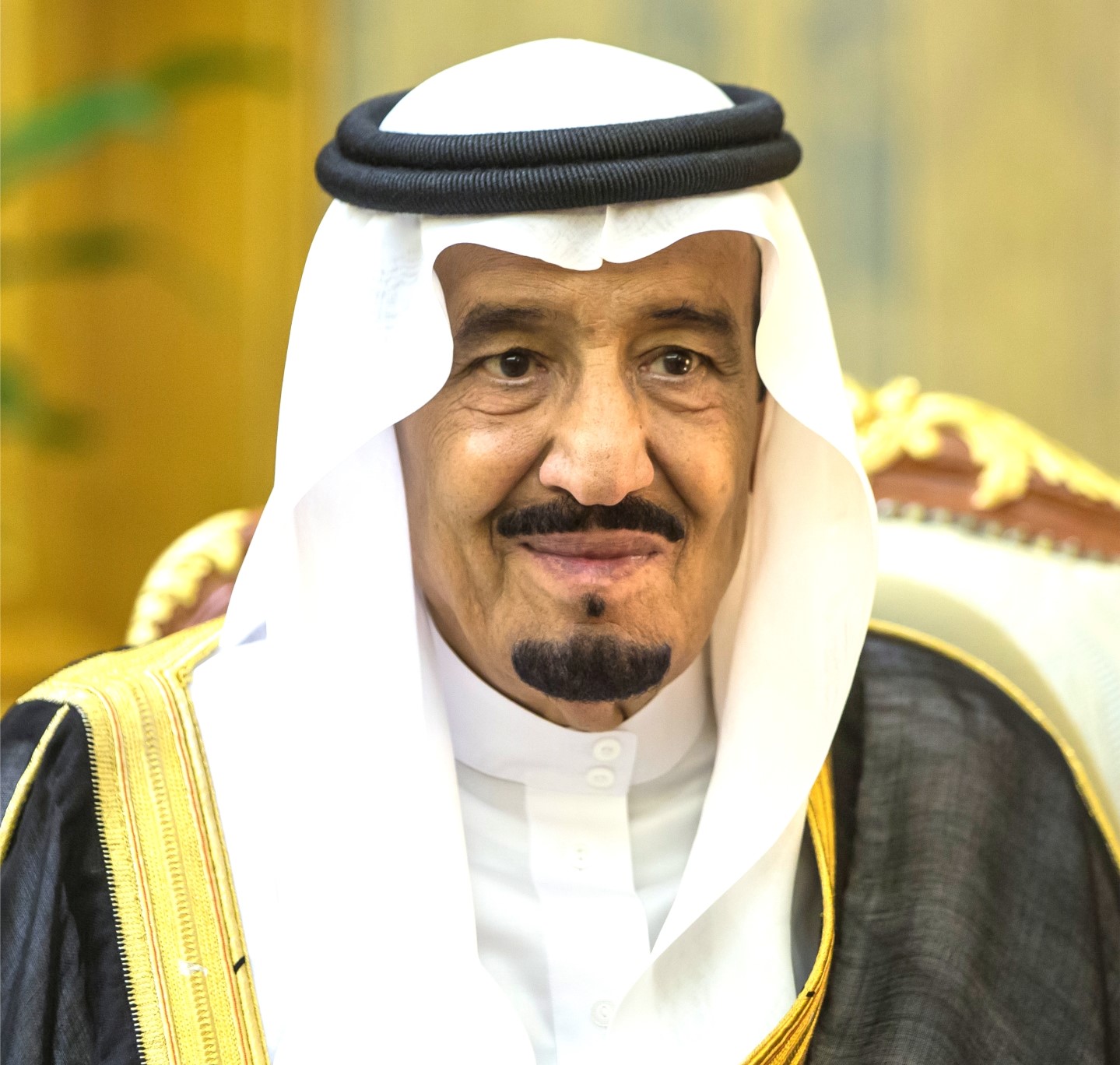
Salman Bin Abdul Aziz is the seventh king of Saudi Arabia. He took charge as the new ruler of Saudi Arabia on January. 23, 2015 soon after the death of King Abdullah. During his 56 year tenure as governor of Riyadh, the capital city witnessed tremendous progress in all sectors. During the past months, King Salman has taken a series of decisions to strengthen the economy and enhance the Kingdom’s position in the world.
Diplomatic Pursuits
To safe guard the best geopolitical and geo-strategic interests of his country, King Salman visited a number of countries, including the US, UK, China, Japan, Pakistan and India. Due to his meaningful engagements diplomatic ties further strengthened. New phase of commercial diplomacy has further strengthened socio-economic integration. Moreover, it brought new levels of better understanding between Saudi Arabia and the world’s power brokers. It reduced confusion and uncertainty about different regional and global issues of survival and productivity.
His recent visit to the United States of America and meeting with President Barack Obama were significant in boosting Saudi-US relations. In March 2014, he visited to China and signed a number of agreements between the two countries. In September 2014, he visited France as crown prince and held talks with President Francois Hollande and senior French ministers to strengthen cooperation in defense, education, security, health and economic sectors. In November 2014, he led the Kingdom’s delegation to the G-20 summit in Brisbane, Australia. Saudi Arabia was the only Arab country to attend that summit conference.
Operation Storm of Resolve
Saudi Arabia launched a massive military operation “Operation Storm of Resolve” in March 2015. It is a military operation led by Saudi Arabia with Arab and International coalitions of 10 countries against the Coup of the Houthi Group and Forces loyal to them. The Operation came in response to the request of the president of the legitimate government of Yemen Abd rabbu Mansour Hadi to stop the Houthis who launched attacks and seized the headquarters of the legitimate government by force. The International Security Council’s resolution No 2216 was issued on April 14, 2015.
Operation Restoring Hope
The ongoing “Operation Restoring Hope” was aimed to resume the political process in accordance with Security Council Resolution No 2216 and the Gulf initiative and out came of the Yemeni Dialogue Conference. It was launched for the protection of civilians from Houthis’ attacks or in the event of carrying out similar attacks before Operation Storm of Resolve, and intensify the relief and medical assistance to the Yemeni people in the affected areas as well as to pave the way for international efforts to provide humanitarian assistance. It allocated US$274 million for humanitarian work in Yemen through the United Nations.
Syrian Crisis
The Kingdom of Saudi Arabia is supporting the brotherly People of Syria. It is also granting massive humanitarian aid too.
Sincere efforts have already been taken since the start of Syrian crisis. Detail is given below as:
(a) The Kingdom has received around 2.5 million Syrians since the beginning of the conflict.
(b) It granted them freedom of residency, movement and employment to whoever desires.
(c) They also took benefit from free education and medical care. Support and care were also extended to hundreds of thousands of Syrian refugees in neighbouring countries (Jordan and Lebanon); the aid provided by Saudi Arabia to the Syrian people totals around USD$700 million; the Kingdom has established hospitals in the Refugee camps of Hashemite, Kingdom of Jordan (Zaatari Camp) and in various border crossings points.
Saudi Arabia is ready to settle differences with Iran. Saudi Arabia invited the Iranian foreign minister to Riyadh for the first senior meeting between the two countries. The Saudi foreign minister, Saud al-Faisal, contacted his counterpart in Tehran on after months of lower level communications between the countries, aiming to bring an end to a series of regional crises in which both are invested, principally in Syria.
Saudi Arabia’s Political Stature
Saudi Arabia’s balanced foreign policies and its sincere efforts in maintaining peace and security in the GCC, MENA and around the world and its strong political commitments towards solving regional conflicts and helping struggling people affected by disasters, has further strengthened important role on the regional and global political map. It played reconciliatory role in Bahrain, Oman, Jordan, and Morocco and succeeded to save these countries from imminent political turmoil, economic meltdown, ethnic division and the last but not the least, foreign aggression and infiltration.
Moreover, Saudi Arabia through financial and diplomatic channels arranged a peaceful transition of power in Yemen (previously) and Libya. It also helped Tunisia, Egypt and Pakistan to overcome their difficult times in the near past. Saudi Arabia has also denounced the brutal Israeli aggression on the Palestinians in Gaza and has urged the UN Security Council and the Human Rights Council to realize their responsibilities and apply the Fourth Geneva Convention against Israel to stop its crimes and atrocities against the Palestinian people.
Its rigorous diplomatic efforts and massive humanitarian programs in Syria are highly appreciable. It has also leading role in the further strengthening of GCC unity. Most recently, Saudi Arabia diplomatically enhanced its ties within GCC in order to tackle the emerging socio-economic obstacles, geo-political trends and geo-strategic issues in and around the region.
Saudi Arabia’s Anti-Terror Efforts
Establishment of international centre for counter terrorism is a great victory for Saudi Arabia which also endorses its strong commitments to fight against terrorism. Initially 10 million dollars was donated by the Kingdom to start the project. His Majesty King Abdullah recently donated a further 100 million dollars to the center as part of the Kingdom’s efforts in actualizing international peace and security and in having a shining record of generosity and achievement in counter-terrorism work.
Earlier this year, it began a pronounced campaign to discourage citizen support for terrorist organizations and other groups that were unpalatable to the government. A new law was decreed by King Abdullah in February, 2014 criminalizing various forms of support to certain groups. Subsequently, the Islamic State of Iraq and al-Sham (ISIS), Jabhat al-Nusra and al-Qaeda’s Syrian affiliate were declared terrorist.
It clearly shows that Saudi Arabia has been spreading the culture of dialogue between Muslims, and between Muslims and non-Muslims, both regionally and internationally which is distinctive of the Saudi direction in society.
| Kingdom of Saudi Arabia | Diversified Efforts |
| The King Abdullah Bin Abdulaziz International Center for the Arabic Language | The King Abdullah International Medical Research Center |
| King Abdullah Bin Abdulaziz International Centre for Interreligious and Intercultural Dialogue | Different inter-faith harmony and dialogue conferences and seminars |
Dialogue between the Civilizations
To initiate “Dialogue between the Civilizations” was one of the biggest achievements of its pragmatic diplomacy in the last decade. It promoted spirits of peace and harmony in the world. It was the logical reply of Samuel P. Huntington’s “Clash of Civilizations Theory” which proved to be ice-breaker.
Expanded Pure Islamic Services
(a) Projected Haj spending reaches SR17 billion
According to chairman of the Board of Directors of the Makkah Chamber of Commerce and Industry, the volume of spending expected during the current Haj season is approximately SR17 billion.
The government has established various projects that will shortly be completed for the benefit of pilgrims well as visitors. These projects will be inaugurated at the end of 2015 and completed within the next three years.
(b) Five Giant Projects
King Salman has started mega welfare/expansionary projects in the country especially Islamic projects. During 2015, he inaugurated five giant projects that constitute the lion’s share of the largest ever expansion in history. It included the King Abdullah Expansion Structure covering on an area of 320,000 sq. meters with a capacity to accommodate 300,000 worshippers, and courtyards expanded on a total area of 175,000 sq. meters with the capacity to hold 330,000 people.
The largest ever expansion of the Grand Mosque in Makkah is almost completed. The Prophet’s Mosque in Madinah is also witnessing a similar expansion.
(c) Five Pedestrian Tunnels
He also opened five pedestrian tunnels linking the Grand Mosque with Jarwal and Hajoun areas. Four of these tunnels are built for pilgrims and visitors while the fifth one was for emergency services and security forces. The tunnels have a total length of 5.3 km. The newly opened 4.6 km long first ring road passes through the Central Haram Area. The King also opened buildings for service facilities and that included electricity plants, reserve generators, water refrigeration facilities, disposal of trash, tanks, water pumping facilities and fire extinguishers. According to the latest report of the Ministry of Finance, which is supervising the expansion project, the remaining projects that are yet to open include buildings of the expanded mataf with their facilities, terrace buildings, security buildings, and a hospital.
(d) Expansion Works
The most important of these projects are the Mattaf and Holy Mosque expansion in Makkah Al-Mukarramah Project, and the Two Holy Mosques’ Express Train that connects between Makkah Al-Mukarramah and Madinah Al-Munawwarah Project.
The Mattaf and the Holy Mosque expansions in Makkah Al-Mukarramah Project, which will soon be announced as completed, is a testimony that the Government of the Kingdom of Saudi Arabia is giving the utmost care to projects aimed to the services of the pilgrimage of The Holy Mosque and visitors to the Nabawi Mosque in Madinah Al-Munawwarah.
Thus, these projects integrated to raise the capacity of the Mattaf to three times, reaching 100 thousand pilgrimages per hour, which will assist the pilgrimages to perform their rituals smoothly and easily.
The Two Holy Mosques’ Ex-press Train that connects Makkah Al-Mukarramah and Madinah Al-Munawwarah Project, through the city of Jeddah and King Abdullah Economic City is one of the logistical projects to secure the commuting process between the two cites which are 450 kilometres apart. The passenger terminals in these two cities were established at a capacity of 10,000 passengers per hour. The train also cut short the commute between the two cities by two and half hours.
With the present massive development in the Kingdom of Saudi Arabia, its outlook and anticipation of visitors entering the Kingdom shall experience the immense growth and expansion that the Kingdom is currently undergoing in all diversities.
(e) The Prophet’s
In July this year, King Salman has approved the revised designs for the Prophet’s Mosque expansion project, which includes expansion of the mosque, Darb Al-Sunnah project (3km stretch between the Prophet’s Mosque and Quba Mosque and rebuilding of the Quba Mosque). During a visit to Madinah, the King reviewed the proposals and the project’s designs within the scope of the large-scale expansion project of the Prophet’s Mosque and other related projects, which include the Dar Al-Hijra, King Salman Center for Conferences, and development of new central area in Madinah. According to the revised plan, the first phase of development works will be undertaken on the eastern side of the Prophet’s Mosque, followed by development on the western side during the second phase, the Ministry of Finance announced.
Concluding Remarks
The Kingdom of Saudi Arabia is a moderate country which always works for the regional as well as global peace. Humanely, its humanitarian campaigns are the hope of the last resort. Levels of poverty and gender discrimination have been minimized due to Saudi Arabian humanitarian assistance in many African countries.
Moreover, its financial assistances are contributing significant development in the fields of education, health, clean drinking water, shelter in the world. Its ongoing human assistance drive in Syria has also been geared up. Within the country, basic human rights were integrated and preserved. Sincere efforts were started for the further empowerment of women. Social welfare was remained sacred and supreme.
Economically at regional and world stage, the Kingdom of Saudi Arabia is the largest economy in the GCC and MENA. It always plays very important role for the peace, harmony and stability of the region and world alike. It is seriously advocating GCC joint security shield, energy cooperation, food security and joint strategy against terrorism and extremism.
It is also an active member of G-20 and always plays its supportive role. Now, Saudi Arabia is one of the fastest growing markets among the world’s 30 highest emerging countries.
Again economically, Saudi Arabia granted economic aid to so many regional countries, Egypt, Iraq, Jordan, Algeria, Bahrain and Palestine and reduced their miseries. Its economic aid helped these countries to fill the widening gaps of budgetary deficits. It stopped their economic meltdowns and mitigated the spillover effects of regional unrest and chaos. Furthermore, its balanced oil policy saved many countries and corporations from certain colipase.
According to latest Financial Stability Report (2015), overall, the Saudi economy has continued to perform well despite the recent deterioration in oil prices. All key real and financial macroeconomic indicators showed sustained improvement. Its macro-economy is strong, stable and sustained. Its future prospects are healthy and productive. It is estimated that due to its strong fiscal position and healthy financial system, the impact of the drop in oil prices may not felt in the short to medium term.
Its government spending is very high and public debt is at its lowest ebbs. Foreign reserves are strong which provides a buffer against macroeconomic shocks. Government spending in 2015 will continue to be strong as of January 2015, there are 439 billion riyals (over $117 billion) in a special government account designated for capital projects such as public housing, schools, hospitals, public transportation, and other major projects. It will continue to boost the Saudi economy and continue the strong growth in the private sector, which is projected to show a steady expansion of 6.0 percent in real terms through 2016.
It is predicted that its national economy would maintain elements of stability and sustainability in the long term. It would easily mitigate the impact of such an adverse external development (oil & regional political uncertainty). It has strong capital and liquidity position that would largely neutralize the impact of this unfavourable development. The constant government’ support to back up domestic counter-cyclical growth initiatives by virtue of strong fiscal position and large holdings of foreign assets would manage the potential negative consequences.
Development works are ongoing everywhere in the country. Many ongoing mega industrial projects have further strengthened its national production levels. Inflows of FDIs, massive construction, employment generation, higher education, consumer price stability and the immense increase in wages has merged the Kingdom as one of the ideal countries to live in.
It introduced economic and financial reforms and liberalization of economy which successfully transformed its macro-economy which is now enjoyed an extraordinary period of prosperity since 2000. Its macroeconomic policies are business and investment friendly which have created many new jobs too. Its national drive of diversification of economy and production has created wonders. Its private sector is productive. Its macro-economy has continued to take advantage of these state initiatives which have been complemented by robust non-oil private sector activity.
Its economy is knowledge based and it has one the best human resources, nets of industrial clusters, transportation infrastructures and support housing projects. It is also the fourth ideal destination for the foreigner expats in the world. Saudi Arabia is the largest free market economy in the Middle East and North Africa holding 25 percent share of the total Arab’s GDP.
Despite regional socio-economic meltdown, deteriorating law and order situation in many parts of the region and above all high levels of political uncertainty, it has surpassed the previous levels of productivity, efficacy, expansion and above all profitability in associated sectors and sub-sectors of national economy.
Politically, Saudi Arabia successfully managed the ghost of so called Arab Spring and maintained elements of stability and sustainability in the GCC and MENA. It used different methods of diplomacy to restore peace and harmony in Egypt, Algeria, Iraq, Libya, Sudan and the last but not the least, Yemen. It even initiated meaningful dialogue with Iran for the greater good of the region and world alike.
On national political front Saudi Arabia is a dynamic country. Its public is politically motivated and articulated. Its economy is robust. Its society is harmonious. It always ready to do more good things for its people, region and the world alike. Saudi Arabia is the inspirational force for all the Muslim.
Militarily, the Kingdom of Saudi Arabia strived hard to curb incidents of infiltration in Bahrain, Iraq and Syria and also launched Operation Storm of Resolve and Operation Storm of Resolve for restoring legitimate government in Yemen. Saudi Arabia along with 10 global partners started air strikes and ground military operations to rescue the innocent people and women from the violence of Houthis.
On the anti-terror front Saudi Arabia has promulgated many legal reforms in its own country which effectively checked any incident of economic terrorism and money laundering. It introduced a complete set of “carrot and stick” policies and monitored the activities of any sleeper cells. Meaningful judicial reforms were also introduced which benefited the working of all the law agencies and para military organization in the country. Its strong political commitments to fight against terrorism are appreciable. Its interfaith dialogue, tolerance, and cultural diplomacy are making bridges of better understanding, oneness and togetherness about others around the globe.
In religious terms the Kingdom stands for brotherhood, charity and divine revelations; it is an icon of the Muslim Ummah since its inception because of its friendly and supportive policies towards the socio-economic prosperity and political unity.
Under King Salman Bin Abdul Aziz the Kingdom of Saudi Arabia continues to shine as a beacon of progress and stability in the region and world too. It has the confident leadership to overcome the regional conflicts and confrontations and steer the region toward sustained peace and progress in the near future.