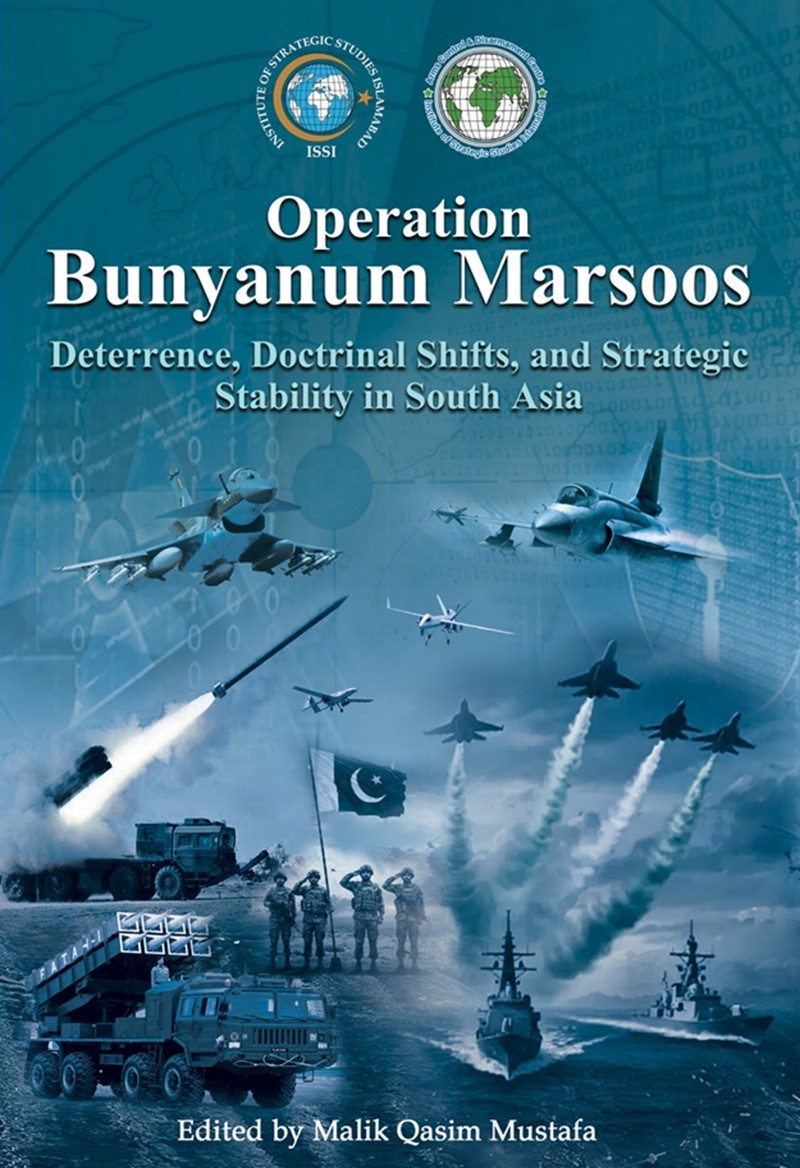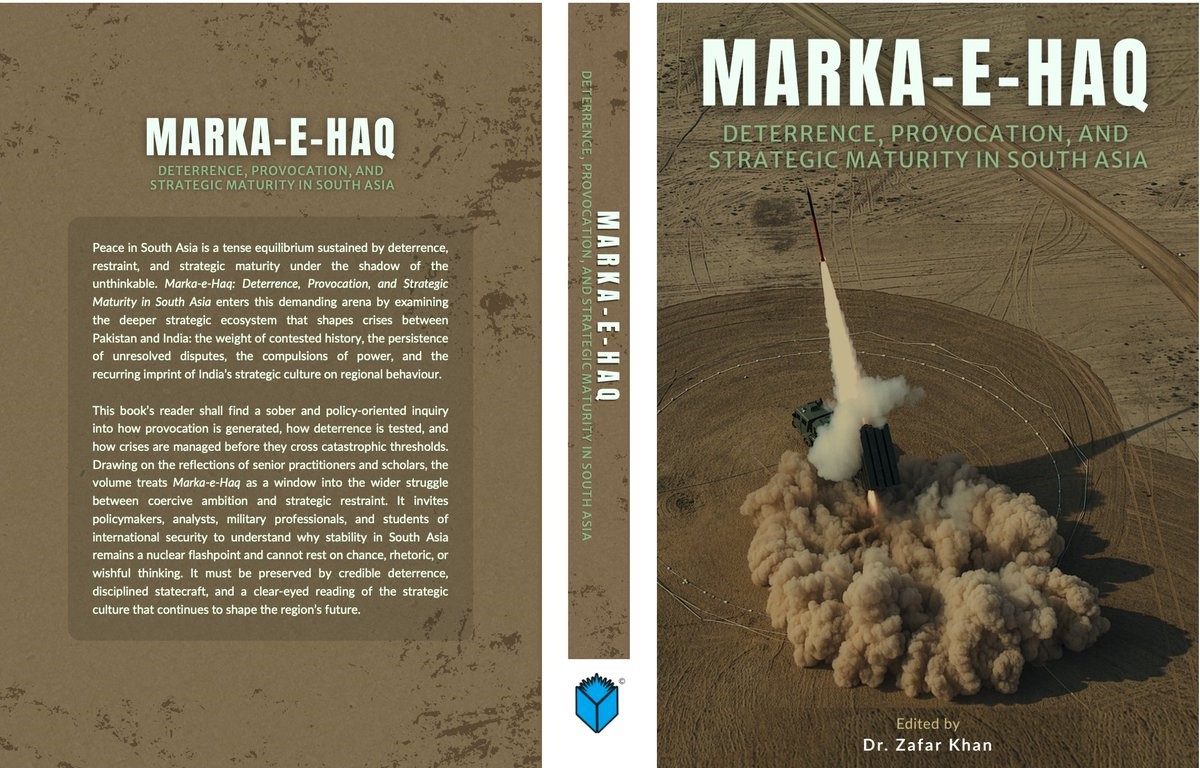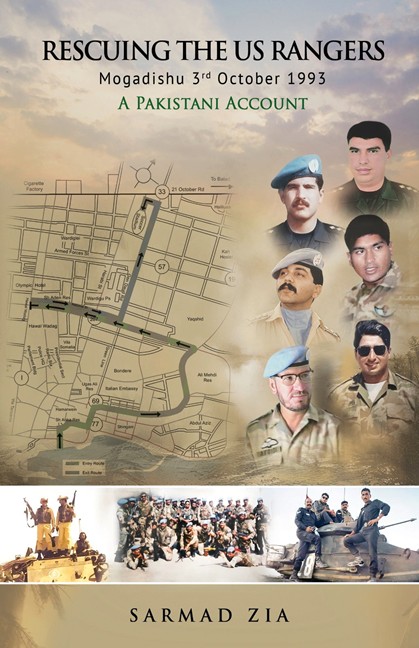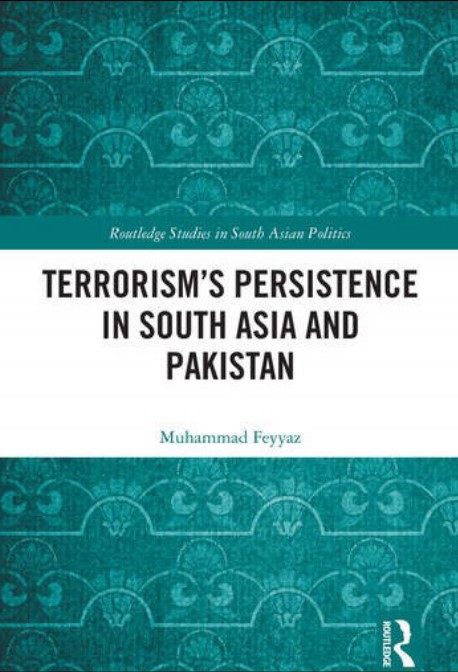



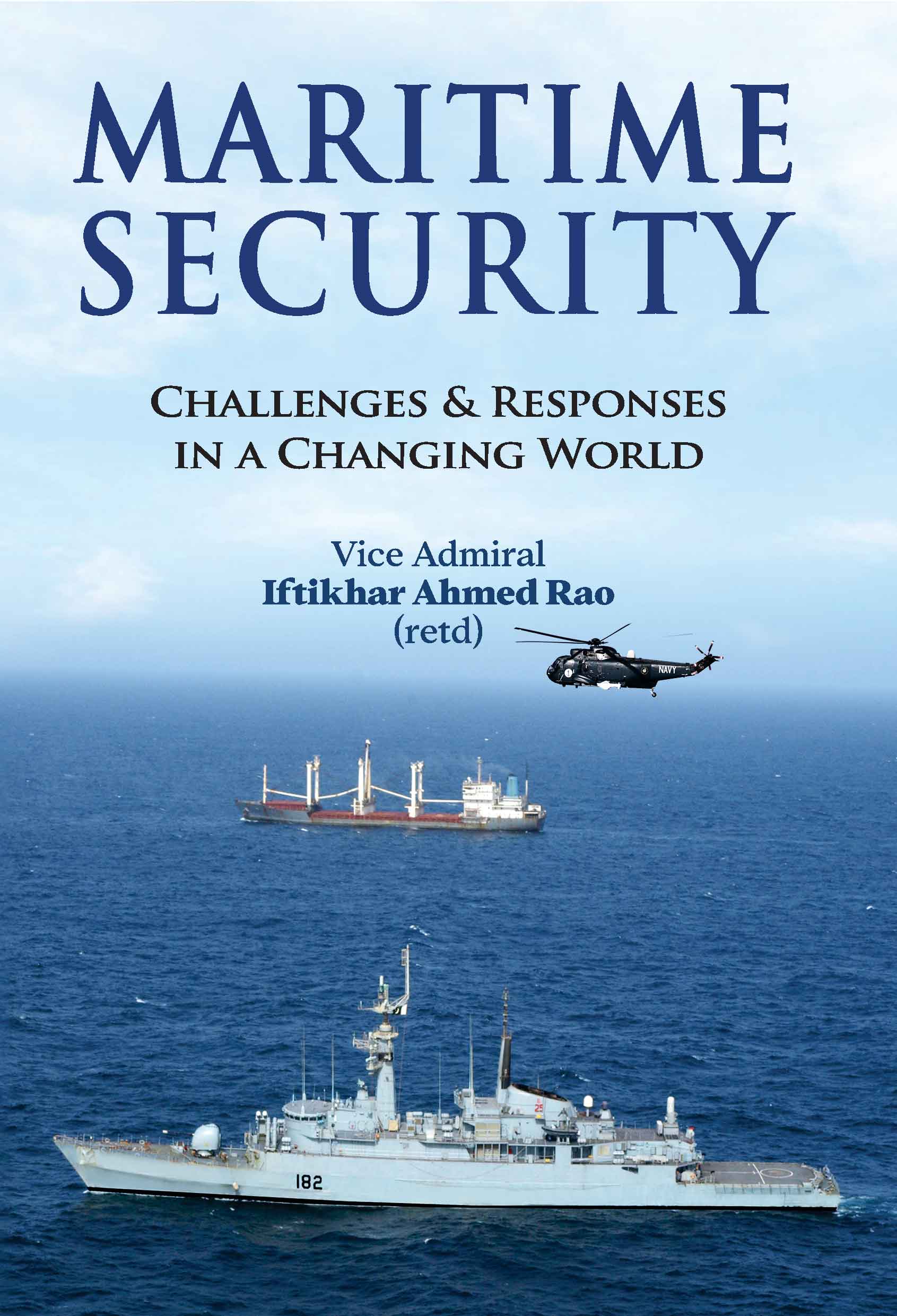
Maritime Security is indeed a topic of great significance for any maritime nation, yet it is least talked about in Pakistan. It is so because there is generally a lack of understanding about maritime affairs owing to the continental mindset due to which the country is suffering from decades. Whether it is accorded due importance or not, the subject will not lose its prominence, more so after the advent of the US Indo-Pacific strategy which is primarily a seabased strategy to contain Chinese influence.
Vice Admiral (retd) Iftikhar Ahmed Rao HI (M), with over 40 years of maritime experience is a seasoned individual and has a keen understanding on topics related to maritime studies. In this book, which is his third publication, he takes a comprehensive account of maritime security not only in the context of Pakistan but the world’s leading maritime states.
He has covered both traditional and nontraditional threats that prevail in the maritime domain. How these threats have evolved over history is an interesting discourse that leads him to shed light on the concepts and strategies adopted by the EU, US, UK, China and India. Evolution of China’s maritime thought is of particular interest given the fact that very less unbiased account is available on the subject.

Going through Admiral Rao’s book, it is established that maritime domain is not only restricted to the seas, oceans and coasts but it encompasses a whole lot. It is vivid from his discussion that over the course of history, politics, trade, economies, conflicts, wars have mostly been attached with the sea. Even today, we find that US-China rivalry is primarily for the South China Sea, the Russia-Ukraine war is vying for control of the Black Sea, and the Gaza conflict is showing its effects in the Red Sea. Even the land campaigns in Afghanistan and Iraq were duly supported by the navies via bombardment, replenishment of troops and supplies, etc.
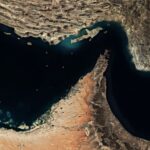
He has highlighted the importance of maritime domain for Pakistan more than ever primarily because of geography which underscores Pakistan’s geo economic and geo strategic significance. Located at the confluence of the Middle East and the Gulf region in the west, Pakistan has the Central Asian Republics (CARs) in the north, China in the northeast and India in the east. In the south, it is adjacent to the Persian Gulf from where some of the most vital sea lanes pass. Pakistan’s location is also the passageway for sea lanes from the Suez that pass through Bab al Mandab and run along the coasts of the Arabian Sea.
Admiral Rao emphasizes that the energy rich yet landlocked CARs need to export through the nearest possible seaport for which various options are available but the most feasible and cost-effective solution is via Gwadar Port which provides an access to open deep-water sea. When that happens, almost 70% of the world’s crude may be moving through the sea lanes just off this port. The China Pakistan Economic Corridor (CPEC), the flagship project of Belt and Road Initiative (BRI) is based on its sea component more than the land component due to which Gwadar port is called ‘Jewel in the Crown’ of CPEC for its significance. Because of Pakistan’s contiguity to the frequented Sea Lanes of Communications (SLOCs), it lies in the middle of global economic activity and just cannot remain oblivious to what all is happening nearby.
One important factor is Pakistan’s almost 90% seaborne trade which cannot be detached from maritime security concerns. A large amount of drug trafficking from Afghanistan flows to international markets via the Pakistani coast which is also of great concern for the security agencies in Pakistan. But one of the most significant to Pakistan is the shift in strategic thought of China and India from continental to maritime domains and both have been investing in their navies for many decades. While both were already on a course to developing maritime assets, the US Indo Pacific strategy catalyzed the process. It is an alliance-based strategy meant to curtail or impede China’s growing influence or at least maintain the US’ and West’s influence in the littorals of both oceans. The strategy encourages regional countries to form a bulwark against China via political, military, economic, and technological cooperation/assistance. For Pakistan, this is a cause of concern because it affords India an advantage in all these domains. The strategy has the potential to instigate an arms race, enmity, armed conflicts and polarization in the region.
According to the writer, Pakistan is a firm believer of collaborative and cooperative arrangements to ensure maritime security in the region. For instance, when the Coalition Maritime Campaign Plan was instituted in 2003, Pakistan was amongst the first and the only regional country to have joined Task Force 150 and later in year 2009 it joined Task Force 151 to counter maritime terrorism and piracy respectively in the region.

One important aspect of collaborative strategy is interoperability. On this account, the Pakistan Navy (PN) has been exchanging training of officers and sailors of regional and extra regional countries and has also been participating in international, multilateral and bilateral exercises. PN ships have also been carrying out naval diplomacy by visiting ports around the world. Likewise, it has been inviting foreign navies to visit Pakistani waters. Exercise AMAN is one huge venture where PN invites navies around the world on biennial basis to participate and enhance interoperability. In the information domain it has established Joint Maritime Information Coordination Centre (JMICC) in Karachi which is meant for sharing maritime information with domestic and international stakeholders. PN regularly participates in Humanitarian Assistance and disaster relief operations worldwide.
Every year the PN also conducts Maritime Security Workshop to create awareness on maritime affairs. For the security of its own assets along the coast PN has an elaborate setup of surveillance and response elements all along the coast in the name of Coastal Security and Harbour Defence Force. For the protection of Gwadar Port, which is an essential element of CPEC, PN has instituted a dedicated Task Force, TF 88. Contribution to socio economic uplift of coastal communities is a regular feature in PN’s operations. Pakistan’s successful collaborative maritime strategy has paid dividends which should be continued to mitigate the challenges and exploit the opportunities that lie ahead because of the changing scenario in the world. Pakistan has the capacity to further engagement with the regional countries and the capability to become a bridge between the competing giants. The country just needs to tread this path pragmatically; hurting no one while safeguarding its own interests.