





Gen Z Movements Need Reform
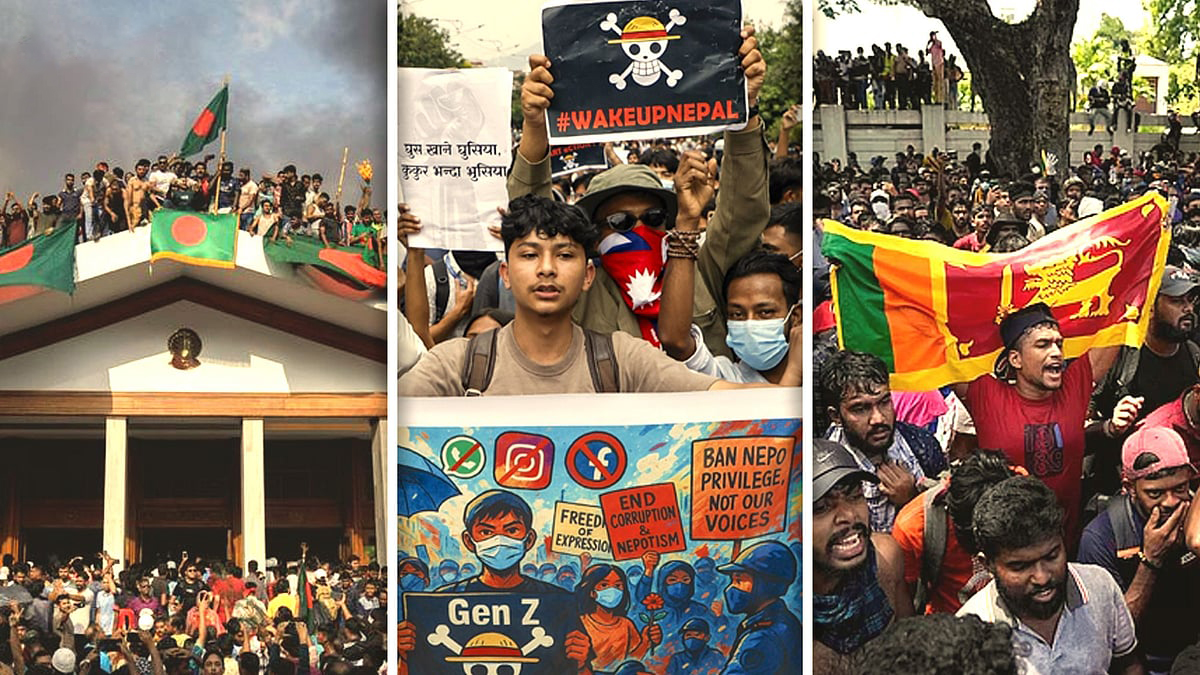
The contemporary wave of Generation Z– led protests reflects a defining feature of the modern political era: the collapse of geographic distance in the digital age. What media theorist Marshall McLuhan described as the Global Village Theory has materialized in unprecedented ways. Youth movements from Nairobi to Dhaka and Bangkok to Lima now mobilize in real time, sharing tactics, narratives, and grievances across borders through digital platforms. The drivers vary by country, but common threads run through these uprisings: anger at corruption, nepotism, authoritarian governance, rising inequality, youth unemployment, and elite impunity, while also asserting digital freedoms as a core democratic right. In societies with youthful populations, demographics amplify this frustration. Equally significant is Gen Z’s mastery of digital platforms. Social media has served as both an organising tool and a political amplifier, enabling rapid mobilization and transnational solidarity. Hashtags such as #nepokids and #nepobabies have gone viral, targeting political dynasties whose privileged lifestyles contrast sharply with the economic hardship faced by ordinary citizens.
For a generation that values meritocracy, the dominance of hereditary political elites symbolises systemic injustice. The 2022 protests in Sri Lanka,
which forced the resignation of senior political leaders amid a severe economic crisis, demonstrated the power of digitally coordinated youth mobilization. Similar patterns have appeared elsewhere. Youth protests in Bangladesh between 2024 and 2025, demonstrations in Kenya over rising taxes and unemployment, and creative protest movements in South Korea illustrate a broader pattern: Gen Z’s ability to rapidly transform online networks into street-level political action.
These developments align with insights from Collective Action Theory, which suggests that technological networks can dramatically reduce the organizational costs of political mobilization. Digital communication allows decentralized movements to form quickly and coordinate large-scale protests without hierarchical leadership structures. However, the same decentralization that makes movements resilient in the short term often makes them fragile in the long term
The central challenge confronting modern youth uprisings is not demonstrations but institutionalization. Turning protest energy into durable political influence remains difficult. Political scientist Erica Chenoweth has shown that while nonviolent movements historically achieved significant success in the late twentieth century, their effectiveness has declined in recent decades. The success rate of nonviolent uprisings has dropped from more than 40 percent to roughly one-third. One explanation is that many contemporary movements are digitally mobilized but lack the sustained grassroots organization that earlier movements relied upon.
Historical examples illustrate the importance of institutional organization. The solidarity movement in Poland and the pro-democracy movements in South Korea developed dense networks of unions, civic organizations, and community groups. These networks enabled protest movements to survive state repression and ultimately translate street activism into institutional political power. By contrast, many modern movements rely heavily on online networks that can be disrupted through disinformation campaigns, digital surveillance, or simple political fragmentation. As seen in the aftermath of the Arab Spring, a lack of clear leadership often leads to a power vacuum that the “old guard” or the military is all too happy to fill.
Even when protests succeed in toppling political leaders, structural barriers within electoral systems often prevent new political forces from entering government. The experience of Bangladesh demonstrates this challenge. Although youth-led demonstrations helped unseat a deeply entrenched political leadership, the electoral system itself remains difficult for emerging movements to penetrate.
This structural obstacle is particularly visible in countries that use first-past-the-post (FPTP) electoral systems. Under this model, the candidate who wins the most votes in a constituency gains the seat, even without an absolute majority. While administratively straightforward, FPTP systems tend to exaggerate the dominance of large parties and disadvantage new or geographically dispersed political movements. Votes cast for smaller parties often fail to translate into parliamentary representation, creating what political scientists describe as a “wasted vote” effect. This issue is especially significant in South Asia, where many electoral institutions were inherited from colonial administrative frameworks. Countries including Pakistan, India, Bangladesh, and Nepal rely heavily on FPTP systems.
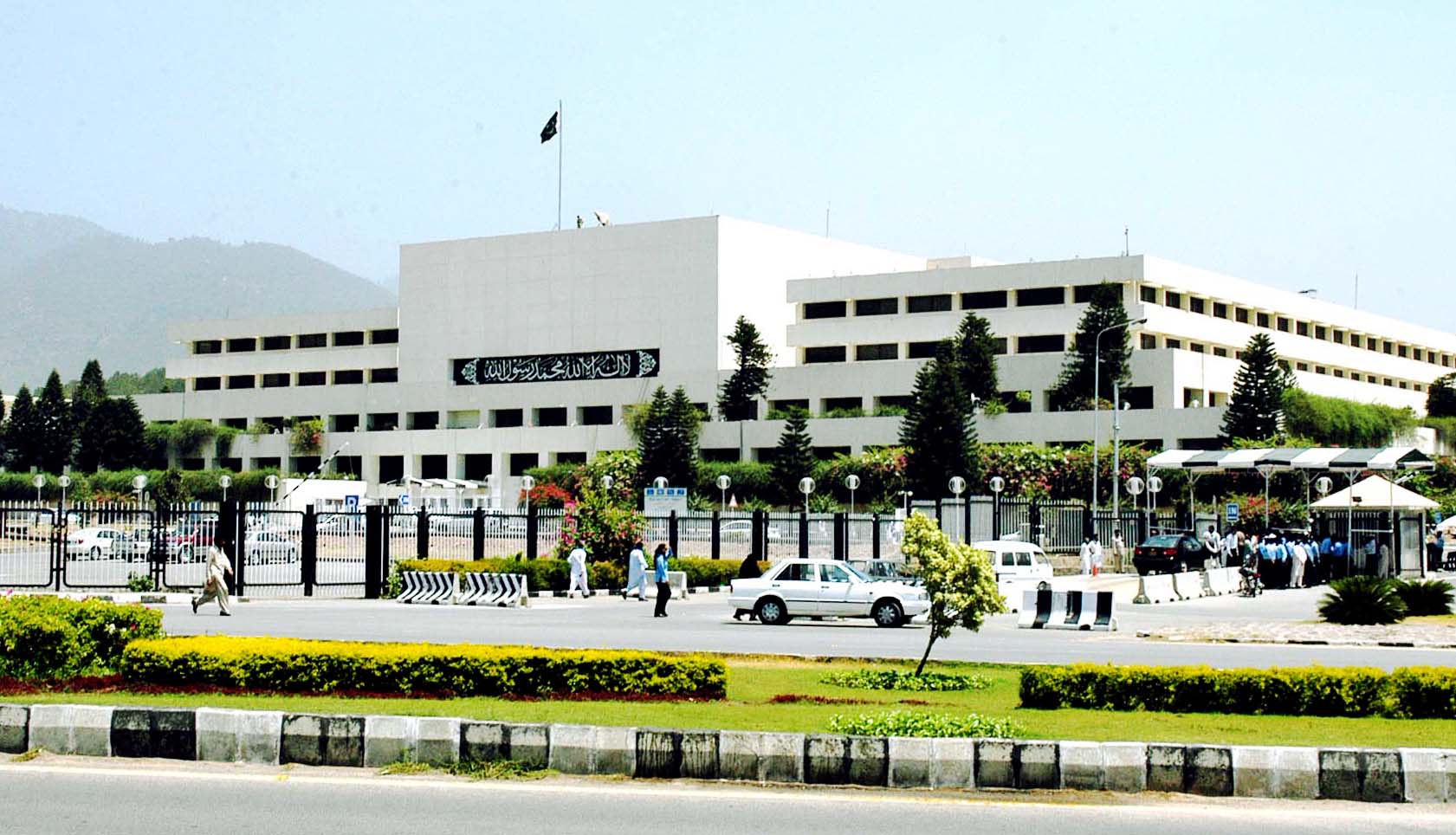
These systems often produce parliaments dominated by established political families and legacy party networks, limiting opportunities for emerging political actors. For youth-led movements that lack regional strongholds or well-established party machinery, breaking into such systems can be extremely difficult. Pakistan provides a particularly instructive case. Elections for the National Assembly are primarily conducted under the FPTP model.
While the constitution provides reserved seats for women and religious minorities, these seats are allocated proportionally to parties based on their performance in general constituencies rather than through direct elections. As a result, reserved representatives are selected through party lists rather than direct voter mandates, reinforcing centralized party control over candidate selection
The broader consequences are structural. FPTP systems often produce disproportionate electoral outcomes, allowing parties to secure parliamentary majorities without receiving a majority of votes nationwide. They also tend to reinforce elite dominance by privileging candidates with established patronage networks and financial resources. Youth candidates and minority groups, who typically lack such advantages, remain underrepresented in legislatures despite large voter bases.
Comparative political research suggests that alternative electoral systems can produce more inclusive outcomes. Proportional representation (PR) systems allocate seats based on the share of votes received by each party, allowing smaller and emerging parties to gain representation even without winning individual constituencies.
Empirical studies show that PR systems tend to increase the representation of women, minorities, and younger candidates while encouraging coalition politics and issue-based competition. For countries experiencing rising youth protests, electoral reform becomes a democratic necessity, not just a technical debate. Systems that systematically exclude emerging political actors risk deepening political frustration among younger generations. When electoral institutions fail to translate popular civic engagement into political representation, disillusionment with democratic processes may intensify.
Yet electoral reform alone cannot solve the broader challenge facing youth movements. To translate protest into governance, movements must also develop organizational structures capable of contesting elections, negotiating policy compromises, and sustaining political alliances. Successful examples illustrate this transformation. In Sri Lanka, the National People’s Power coalition emerged from protest movements to become a viable electoral force. In Thailand, youth-backed political parties translated street protests into significant electoral gains.
In an era where technological advancement is progressing at an unprecedented pace, the political aspirations of Generation Z cannot remain confined to digital spaces or episodic protests. Digital activism can ignite revolutions, but it cannot govern societies on its own.
To meaningfully materialize their ideas and policy demands, youth movements must rapidly transition from online activism to institutional engagement, supported by electoral reforms that allow their voices to be translated into legislative representation.
For the generation that has already mastered digital activism, the next challenge lies not in organizing the next protest, but in building the institutions that can govern after the protest ends. True democratic transformation is achieved not only in public squares but also in legislatures, with law-making, representation, and lasting political reform