




Tahajjud, Qiyam Al-Layl, Qiyam Ramadan Or Taraweeh

IntroductionThis article delves into the intricacies of additional, non binding, voluntary prayer called Tahajjud, Taraweeh, Qiyam al-Layl, and Qiyam Ramadan, with the aim to address overlooked aspects often clouded by preconceived notions, traditional beliefs, and interpretations. Rather than merely echoing conventional perspectives, this piece endeavors to ground its analysis in the core teachings of the…

Read More

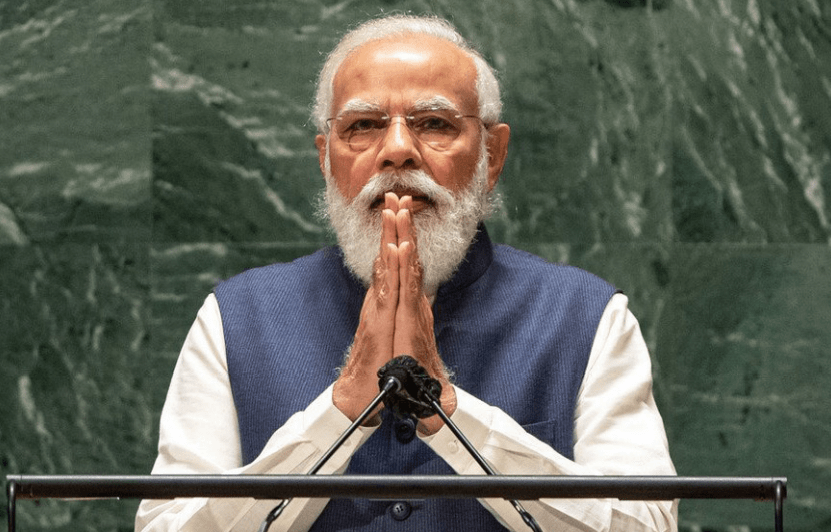
Modi’s India

The United States knew twentieth century India through Mother Theresa who served the sickly in an ocean of poverty or through a Hollywood’s terrifying Tantric named Mola Ram, from the Indiana Jones universe. India came close to declaring sovereign default in 1991 with foreign reserves of just US$1 billion. Dr. Manmohan Singh, an economist of…

Read More

The Afghan Reversal

In the ever-evolving chessboard of South Asian geopolitics, Pakistan finds itself at a critical juncture, grappling with the unintended consequences of its once-vaunted alliance with the Taliban. What was envisioned as a strategic triumph – a friendly regime in Kabul and a buffer against Indian influence – has morphed into a complex web of challenges….

Read More

Muslim Believes

Muslims believe in One God, One Messenger, and One Book (Quran) which discusses most subjects[1], yet sects exist. One major reason for sectarianism is the use of different Hadiths[2] for conflicting interpretations of Quranic verses[3]. Many wonder why, after the compilation of the Quran, the Prophet Muhammad (peace be upon him) and the Rightly Guided…

Read More

Defining National Interest

The national interest definition has been evolving since centuries and was self-derived by societies, rulers, empires, and alliances to serve their best interests. The concept of national interest is very important in terms of international relations because it provides the data and material upon which foreign policy of a nation is defined and evolved. The…

Read More

The Geographical Rationale

Lord Palmerston, a British statesman and Prime Minister is often quoted to have said that there are no permanent enemies, and no permanent friends but only permanent interests in international relations. He was primarily correct because Britain did not have land borders contiguous with any other nation but Ireland. However, for countries with neighbours geographically…

Read More