


New Dynamics, New Opportunities, New Cooperation
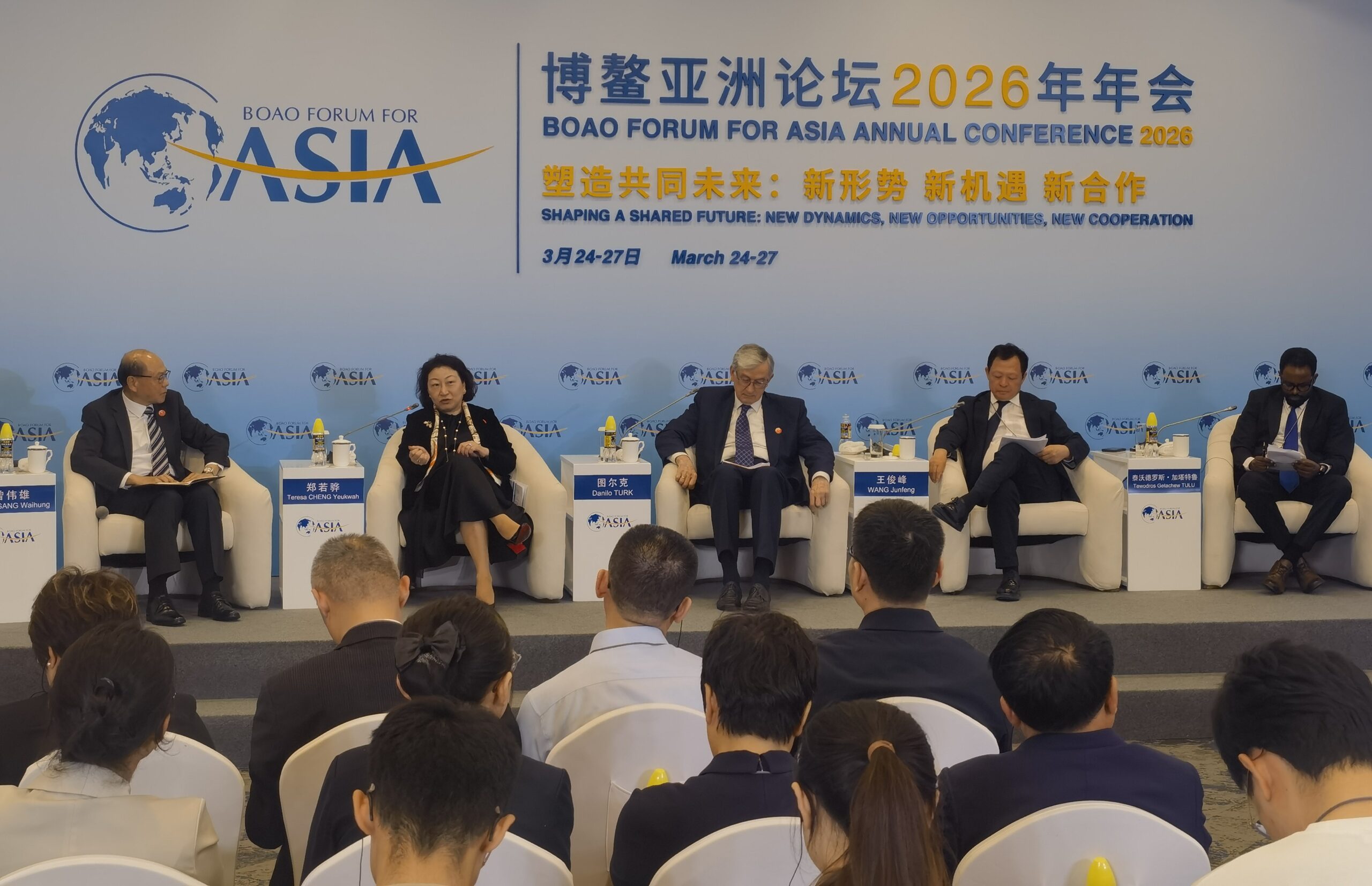
The degenerative multi-lateral political system witnessed a beacon of hope when a significantly important event happened from 24 to 27 March 2026 in Hainan province of China. It was Boao For Asia (BFA) Conference 2026, which also marked the 25th anniversary of the founding of this non-government and non-profit international organization with a permanent principal location at Boao, Hainan China. In year 2000, it was greatly felt that the regional countries needed a forum created truly from the perspective and for the benefit of Asia, dedicated to the discussion of Global South issues and aimed at enhancing cooperation and exchanges among the regional states, between regional countries and other parts of the world. It was formed in 2001 with 26 member countries which later rose to 29 with the inclusion of Israel, New Zealand and Maldives. Pakistan is also one of the founding members of this very important organisation which is purposed to promote and strengthen economic exchanges, interaction and cooperation within the region, as well as between the region and other parts of the world. This year theme was “Shaping a Shared Future: New Dynamics, New Opportunities, New Cooperation.” In line with the theme of this year’s BFA, Artificial Intelligence which is shaping future of the world remained at the top of agenda. It was discussed in three structural forms; ethics, innovations and industrial transformations.
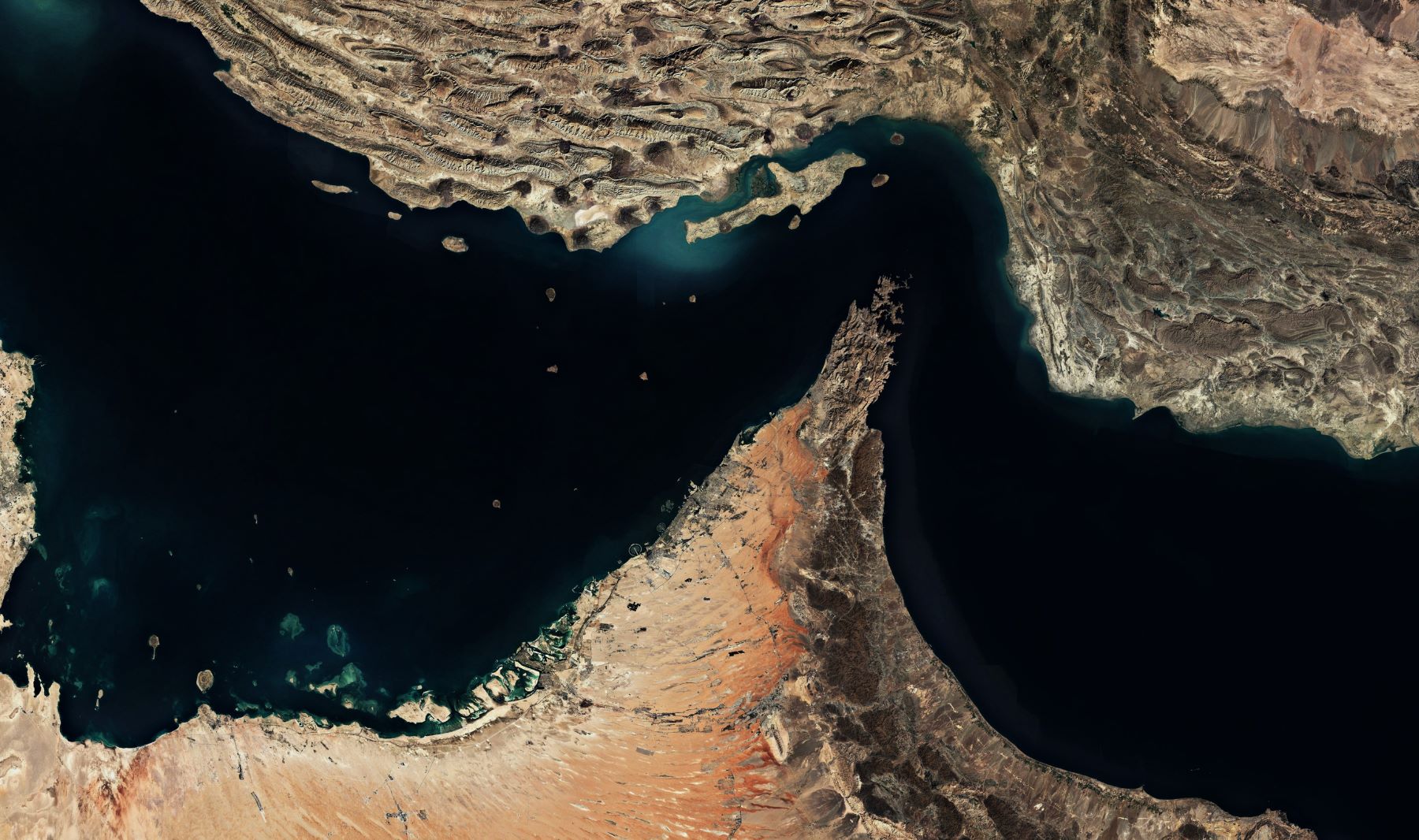
It is interesting to observe two entirely different ideologues were in full swing simultaneously at the time BFA 2026 happened. In the Middle East, the US and Israel waged an aggression against Iran, crippling economic health of not only the Arab countries but also the countries beyond the region. Iran took full control of the Strait of Hormuz, a waterway for twenty percent of world’s oil resource, 40 percent of gas resource and overall 40 percent of international trade. Contrary to these detrimental economic conditions created by the US and Israel for the entire world, a group of 29 countries assembled in Boao to discuss possibilities for a shared future with more close economic cooperation. In a nutshell, a clash of two ideologues was evident when the technology was being employed in the Middle East to devastate world economy, there were serious negotiations going on in China on how to use energy, quantum computing, AI, and robotics as key pillars of the new world.
Since most of the emphasis was laid on employing emerging technology for the prosperity of the world at large, it is important to study the peculiarity about China’s approach behind the proposal. It is inherently obligated to building frameworks that ensure the sovereignty of developing countries over their data and their participation in developing (emerging technologies) as tools for development, not as instruments of technological dominance. This is ethical, as the developing countries usually are hesitant in tech collaboration with the giants for the fear of insecurity. If the same is alleviated, there are numerous prospects for them in such a collaboration. Allaying such fears is the responsibility and prerogative of the tech giants such as China who has done it well via four initiatives, namely, the Global Development Initiative (GDI), the Global Security Initiative (GSI), the Global Civilization Initiative (GCI), and the most recent, the Global Governance Initiative (GGI). So, the real credibility of China lies in proposing a shared future while demonstrating it in practice and instilling confidence among its partners that cooperation can transcend strategic distrust. It is worth noticing that with the tech modernisation, AI stands as the common denominator across all four domains remaining indispensable and serving the four initiatives with credibility.
Forums like BFA serve dual purpose; for the international community to better understand China’s trade policies and tap into global business opportunities. The forum concurrently allows Beijing to reveal its new policy direction to the international community through the 15th Five-Year Plan (FYP) for development via priorities such as opening up, high-quality development, and technical innovation.
China’s focus on high-quality development through new productive forces and its shift toward technology-driven manufacturing is a fact that technological developments cannot be realized without China. As the founding purpose of BFA was to promote economic integration in Asia and the Global South, China has emerged as the kingpin in pooling positive energy for the development of Asia and the world. The BFA 2026 spotlighted AI as a core engine for future growth, wherein discussions centered around how AI and embodied intelligence were reshaping industries, with a strong focus on the “shift eastward” of global AI development and industrial maturity.
A very well laid out portfolio of the BFA conference provides a vast canvass for the political, business, tech and administrative leaders to sit together and discuss new ideas for evolving further cooperation. The BFA’s interests in AI, quantum computing, humanoid robotics, and embodied intelligence reflected broader structural changes in Global South economies.
According to an estimate the AI market in China could reach 400 billion yuan by year 2030 and over 1 trillion by year 2035. But despite impressive figures, competitive advantage will not yield results from simply engaging in global trade if it is not shared with others, converting Global South to become a driver of global development and regulating emerging technologies with economic growth. This is how new economic world order is being charted offering space for those who are interested in being part of a developed world. The world today witnesses clearly who stands for the wellbeing and prosperity of all and who diminishes the prospects for such a world. The answer is right in front of us and while it is not intended to propose taking sides, we know that humans naturally align their dreams with the hope of a prosperous future.