






Good governance matters because it builds trust with the public, reduces corruption, and ensures fair, transparent, and efficient decision-making for organizations and governments alike. Core Benefits of good governance are public trust and accountability, reduced corruption, effective public services, risk management and stability, inclusivity and participation: Engaging diverse voices ensures that policies reflect the real needs of the entire community, reducing inequality and social tension. A country without effective governance mechanism can not progress, compete and grow in the comity of nations. Pakistan, unfortunately is the victim of bad governance for a very long time. In the context of governance and Pakistan’s national interests, the three points below are elaborated for demonstrating the criticality and relation between governance and national interest of Pakistan.
Whether in developed or underdeveloped nations, the principles of good governance, including the rule of law, are crucial for sustainable growth and societal well-being. Good governance fosters a culture of reform, accountability, and proactive decision-making, serving as the bedrock for a prosperous nation and a robust democracy. By prioritizing honest leadership, accountability, and effective governance structures, Pakistan can unlock its true potential and pave the way for a brighter future.
In a world marked by diverse political landscapes and varying levels of economic development, one thing remains constant: the significance of good governance in determining a nation’s prosperity. Regardless of whether a country including Pakistan, is considered developed or underdeveloped, the principles of good governance are indispensable for sustainable growth and well-being. Among these principles, the rule of law stands out as paramount.
Good governance is akin to the beating heart of a prosperous nation. It fosters a culture of reform, efficient implementation, proactive decisionmaking, just rewards for virtuous behaviour, a consistent rhythm of progress, and unwavering accountability. In countries where the model of good governance thrives, its impact on economic and social development is undeniable. It not only cultivates healthy and vocal societies but also strengthens the foundations of democracy.
Embracing the timeless adage that “honesty is the best policy,” our primary objective is to establish an actionable governance model tailored to meet the needs of the people of Pakistan. This model aims to ensure effective governance at every level of government, from the grassroots to the highest echelons. Its applicability extends to all government institutions, their functions, and relevant stakeholders, encompassing units ranging from tehsils and districts to divisions, provinces, and the entire nation.
Within this governance model, four distinct levels—Union Council/Town Committee, District Council/Metropolitan Corporation, Provincial, and Federal—form the framework for efficient governance. Irrespective of a country’s governance structure, it invariably operates on two key models: governance and deliverance. While the deliverance model obliges the government to provide citizens with basic necessities and guarantee constitutional rights, the governance model is indispensable to ensure the seamless delivery of these fundamental needs to every citizen’s doorstep.
The structure of provincial and federal governments is meticulously defined in the constitution, but the same cannot be said for the union and district councils. This oversight urgently demands rectification. Without an efficient local government structure, the constitutional guarantees of basic necessities remain elusive for citizens.
The core of our governance model is depicted below, comprising three essential domains: Leadership, Execution Pillars, and Enablers. Leadership characteristics vital to this model include leading from the front, inspiring and motivating, taking initiative, fostering collaboration, promoting alignment, and building trust. Within the Execution Pillars, key functions include the presence of honest individuals with domain expertise, inspirational and motivational leadership that leads by example, unwavering commitment, inclusivity, a clear and shared vision, units and organizations guided by Key Performance Indicators (KPIs) and SMART goals, staunch measures to prevent system leaks (such as smuggling, power theft, and tax evasion), and the introduction of a reform-oriented culture across all vital functions, including Law and Justice, Civil Service, Police, and Correctional System.
In the Enabler domain, the cornerstone elements are honest individuals with subject expertise, government support, and a shared vision that unites all stakeholders.
Good governance is not a luxury but a necessity for any nation striving for prosperity, whether developed or underdeveloped. It is the linchpin that ensures the efficient delivery of basic necessities and constitutional rights to every citizen. To achieve this, we must prioritize the establishment of a robust governance model, addressing gaps in local government structures, and fostering a culture of honesty, accountability, and reform at every level of governance. Only then can we unlock the true potential of our nation and pave the way for a brighter future. The concept of good governance not only addresses the regulatory issues but also helps addressing the fundamental issue of basic necessities like food security and availability which is very much tied up with population and urban spread.
Food Security & Urbanization:
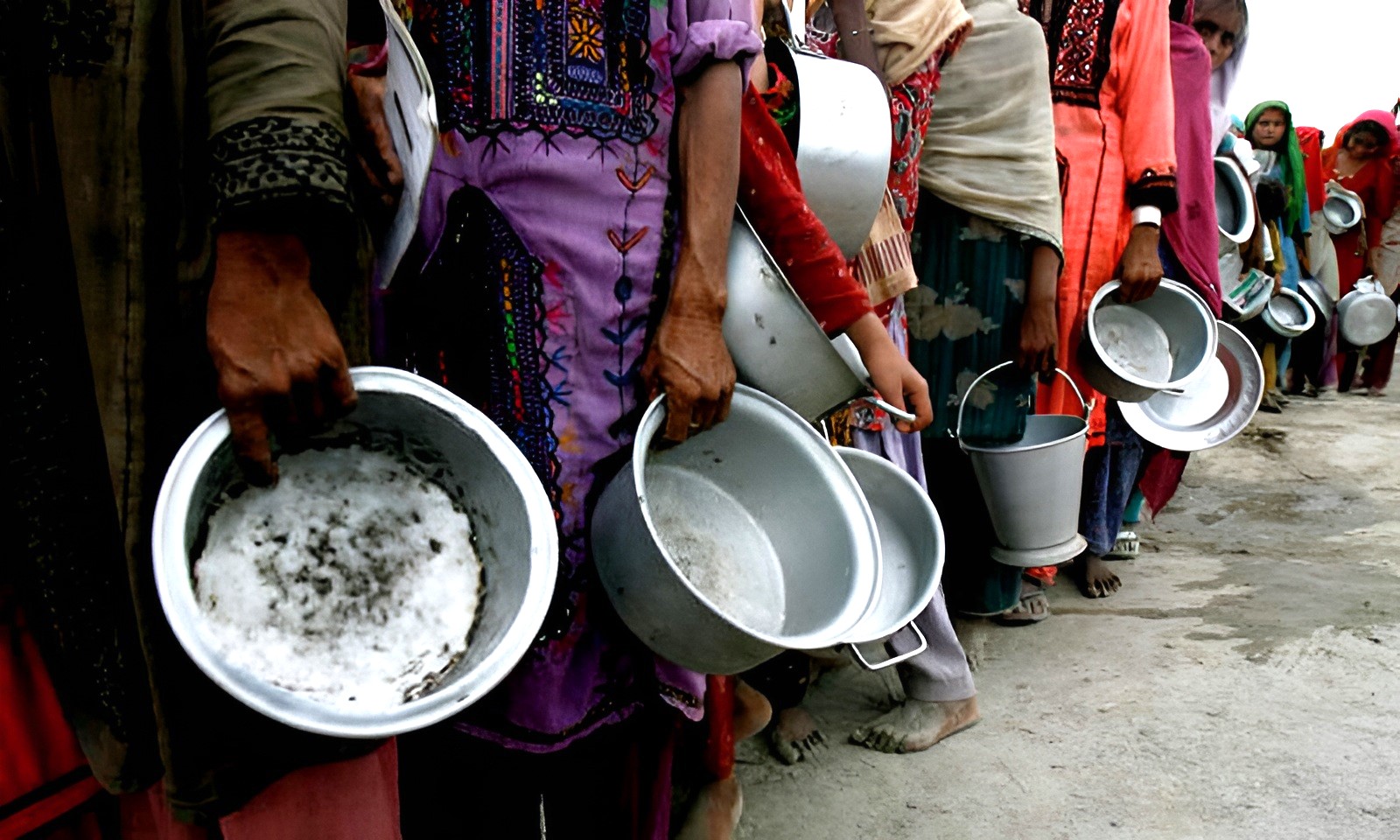
Food security topic has not been in the limelight as it should be, however, observing recent global events and rising concerns on supply chain issues and lack of food security worldwide, it is now fundamental to put enough focus on this potential danger that can impact vast population of the world, specifically low income and poor countries. A lot of seminars/webinars and scholastic discussions are ongoing on the food security topic and experts are trying to find ways on how to protect near future shortage of food supplies that is fundamental for the existence of the mankind.
The Ukraine War is deepening global food insecurity. Even before Russia invaded Ukraine, the global economy was suffering from the repercussions of several man-made conflicts, climate shocks and natural disasters, the impact of COVID-19 and rising food costs. Ukraine which is seen as a major “breadbasket” for the world due to its vast supply chain to the world, the war with Russia is deepening the food security challenges on an unprecedented scale.
As the war drags on, record levels of acute food insecurity are expected to rise exponentially. The latest food insecurity crisis spreading around the world is not happening in a vacuum. Amid the COVID pandemic, supply chain issues and soaring inflation, global food prices have been on the rise since mid2020 and are now at an all-time high.
Global food markets are extremely concentrated, both in terms of supplies and reserves. Such concentrated and thin markets mean that when crises like the war in Ukraine happen, the global supply of food can be derailed quickly, leading to high costs. For example, insurance premiums are skyrocketing for vessels operating in the Black Sea, which only further raises prices for staple foods. Many countries are turning to alternative sources, but there are cost increases associated with these manoeuvres as well. Countries in Europe or the Middle East that relied on Russian or Ukrainian food imports now suddenly have to pivot acquiring them from Canada or Australia, for example, which will be more expensive given the greater distance of travel involved. Shocks like the war in Ukraine put into stark relief that food insecurity challenges are not always related to availability issues. Rather, it’s a question of accessibility and affordability.
At the UN and international academia level, many programs and studies are in progress about handling the food security challenges. These studies mainly focus on increasing yields, profitability, and environmental sustainability, developing varieties and breeds needed for sustainable food systems, decreasing food loss and waste through more efficient distribution systems, creating and sharing resources that serve all populations, ensuring inclusive and equitable food systems and finally ensuring a safe and secure food supply that protects and improves the vast global population health. Having said the above elaborated background for the sake of readers’ awareness, let us now focus on the impact on Pakistan and the region in regard to challenges related to food security. The challenges for Pakistan on the subject have started towards skyrocket decline and I don’t see any serious plan from any credible sources, and no one is talking about it. Amongst various challenges, Pakistan has to face, one of the biggest challenge is to manage the huge influx towards urbanization and diminishing agriculture lands.
Uncontrolled Urban population & Consequences:
This is the global phenomenon especially in the developing countries and is getting worse due to the simple reason people are migrating from rural areas to established cities and urban lands for more opportunities, whether education, jobs and business. The equation is simple, the more people there are, and especially in poor countries with limited quantity of land and water, the fewer resources there are to meet basic needs. Amongst the bad consequences of rapid urbanization, there has been a shift in production patterns of food, highly correlated with access to processed foods that is utterly unhealthy. The other bad consequence of rapid urban growth is the spread of infectious diseases. Consequently, death rates in urban areas historically were higher than in rural areas.
The problems associated with urbanization are, high population density, inadequate infrastructure, lack of affordable housing, flooding, pollution, slum creation, crime, congestion and poverty. Some of the major health problems resulting from urbanization include poor nutrition, pollution-related health conditions, communicable diseases, poor sanitation/housing conditions, and general related health conditions.
If we look at Pakistan specifically, we notice that major cities like Karachi, Lahore, Islamabad, Rawalpindi, Faisalabad, Multan, etc have massively grown up in terms of rural to urban migration. As a direct consequence of this migration, the people who were associated with agriculture profession, tended to sell their lands and rather buy real estate for residential and business reasons. The farming land they sold, now turning out to be the real estate projects, resulting in diminishing farming lands that are badly impacting our national food security. Pakistan was a food rich country a decade ago, but very unfortunately since the real estate Mafia came into action and started buying agriculture lands in order to develop further residential real estate societies, Pakistan is forced to import the basic food necessities and this is creating a huge burden on our foreign exchange, economy and also negatively contributing to the national GDP.
The catastrophic floods in Pakistan have pushed the country down to the brink. These floods followed the COVID-19 pandemic, rising inflation and the most severe heatwave the country has faced in more than 60 years. Due to these factors, Pakistan which was a food surplus country, is ranked at the 92nd spot out of 116 countries on the Global Hunger Index in 2021 and according to the International Food Security Assessment by the US Department of Agriculture in the coming decade, a total of 38 percent of the population of Pakistan is going to be food insecure. As mentioned above one of the problems is also pollution that is primarily caused by over growth of a city and is recently seen in Pakistan and this is the direct result of uncontrolled urban spread. Air pollution is a growing environmental problem in most major cities of Pakistan. According to a World Bank report, “Karachi’s urban air pollution is among the most severe in the world and it engenders significant damages to human health and the economy.
In addition to the uncontrolled urban growth, industrial policies and practices in Pakistan also compound the pollution problem. The lack of awareness, lack of law enforcement and unemployment due to urbanization is a big challenge to handle pollution concerns in Pakistan. Also reports point to the burning of tires in power factory units and brick kilns, even as farmers burn their fields to prepare for more future planting are other reasons for pollution in Pakistan.
Pakistan is also trying to curb the pollution problem in the past three years, over 7,000 conventional brick kilns have been converted into “zigzag” kilns, resulting in a 60% reduction in black carbon emissions, a 40% reduction in particulate matter emissions, and a 15% reduction in CO2 emissions, yet the lack of law enforcement and will in the leadership has resulted in success gained turning back to zero. The food security has four interrelated elements: availability, access, utilization, and stability. Highlighting these elements one by one, the availability of food ingredients are being squeezed year by year due to expansion of real estate business and urbanization. Legislation needs to be done to stop such uncontrolled crushing of the farm and agricultural lands. Even for remaining agricultural and food products that still produced within Pakistan, it is utmost important to develop network of roads and transportation structure to get them to market providing easy access for the farmers to consumer markets. Upgrading the food processors that supply consumers with their milled or processed products offers significant scope to improve utilization at scale in areas where the poor are purchasing. The stability is directly related to the political stability of the country that has the huge impact on food security due to uncertainty caused by political chaos. Unfortunately, Pakistan is passing through a very serious internal crisis due to political instability that is caused by a decade’s long experimentation on political elites that has prevented a natural evolution of political leadership.
The Way forward for food security and Uncontrolled Urbanization:
• For Pakistan, food security is a matter of national security as well. So, Pakistan needs to address food insecurity in both rural and urban areas via multi-sectoral interventions that improve production, processing, transport, storage, and marketing. It also needs to make markets more accessible for both the producers and the consumers.
• Develop local/rural based facilities and infrastructure to prevent urban growth. It includes basic life necessities, job opportunities along with basic health facilities.
• Curb expanding residential societies by required legislation. We have been observing the rapid spread of real estate business and uncontrolled residential societies. The land and real estate groups buy agriculture land at cheap prices and develop residential landmarks that in fact boosting the squeezing of agriculture farm lands this creates a huge gap in terms of national self-sufficiency in food sector.
. • Encourage agriculture sector with planning, and research & development. Food related agriculture can be improved by demonstrating at least three technologies e.g. utilizing drone technology, calibration of spraying equipment, digitalization of pest monitoring and surveillance data and remote sensing. Application of international best practices to ensure safe and environmentally friendly management of locusts and other pests.
• Encourage vertical farming in addition to modernizing agriculture sector, etc.
• Pakistan is experiencing a very negative impact of climate change mainly due to developed countries emitting greenhouse gases. While it is good that Pakistan is raising this issue at UN level, still enough emphasis needs to be put on from Pakistan government in order to get fruitful outcome.
For best performing Governance model, it is imperative to implement following:
- High character, inspirational leadership: model requires clean, high character community
service leadership in government structure, aim to serve and deliver. Perform actions that make
people successful, raise people morale, promote help/support culture in all forms, etc. - E-Government & Artificial Intelligence: Promote digital tools and Industry 4.0 (next industrial
revolution and Artificial intelligence) - Remove hurdles during execution and hold people accountable.
- Regular rhythm with government structures, coordinators and execution teams for effective
follow up and on time delivery (OTD) - Key Performance Indicators (KPI) and SMART goals culture. Set specific, measurable, achievable, realistic & time bound goals for each function and individuals. Set KPI and performance
review culture for accountability. - Devoted, qualified and capable people: install amongst all domains/functions in the government.
- Prevent leakages in the system. No system can perform in presence of leakage. Leakage includes smuggling, power theft and tax evasion.
- Remove corrupt elements who create hurdles and prevent trickle down effects to
people. Replace them with honest executors. Corruption and corrupt people are usually installed by design so make them examples to others with severe accountability. - Rule of law (reforms in law and justice): Lawyers education level, Legal “Stay” system needs
more diligence (no diligence), set limit for a case (months or years). + Police reforms, judges and
lawyers accountability, and their performance indicators. Simplification of the legal system. - Simplification. Governance at all levels should be simplified.
- Civil service revamping/reforms. CSS exam must not be the only criteria. Revamp CSS criteria
tailored to people of Pakistan. - Political party reforms needed for better leadership and governance. Political parties need to
ensure develop SMART manifestos with clear action plan & position papers. Political parties
must work for building plans for local investment, building people trust, innovation and reform
in education and other areas mentioned in the model.