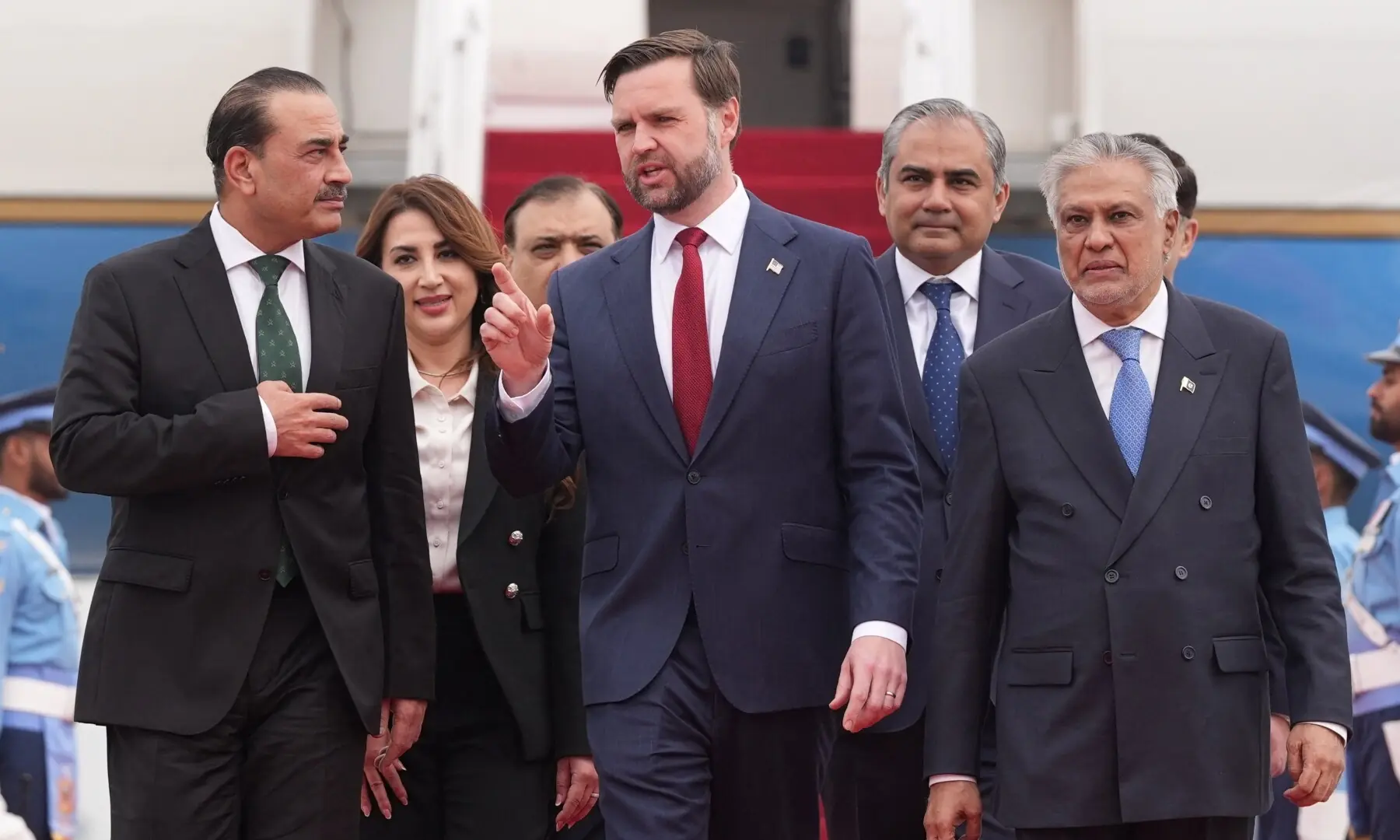




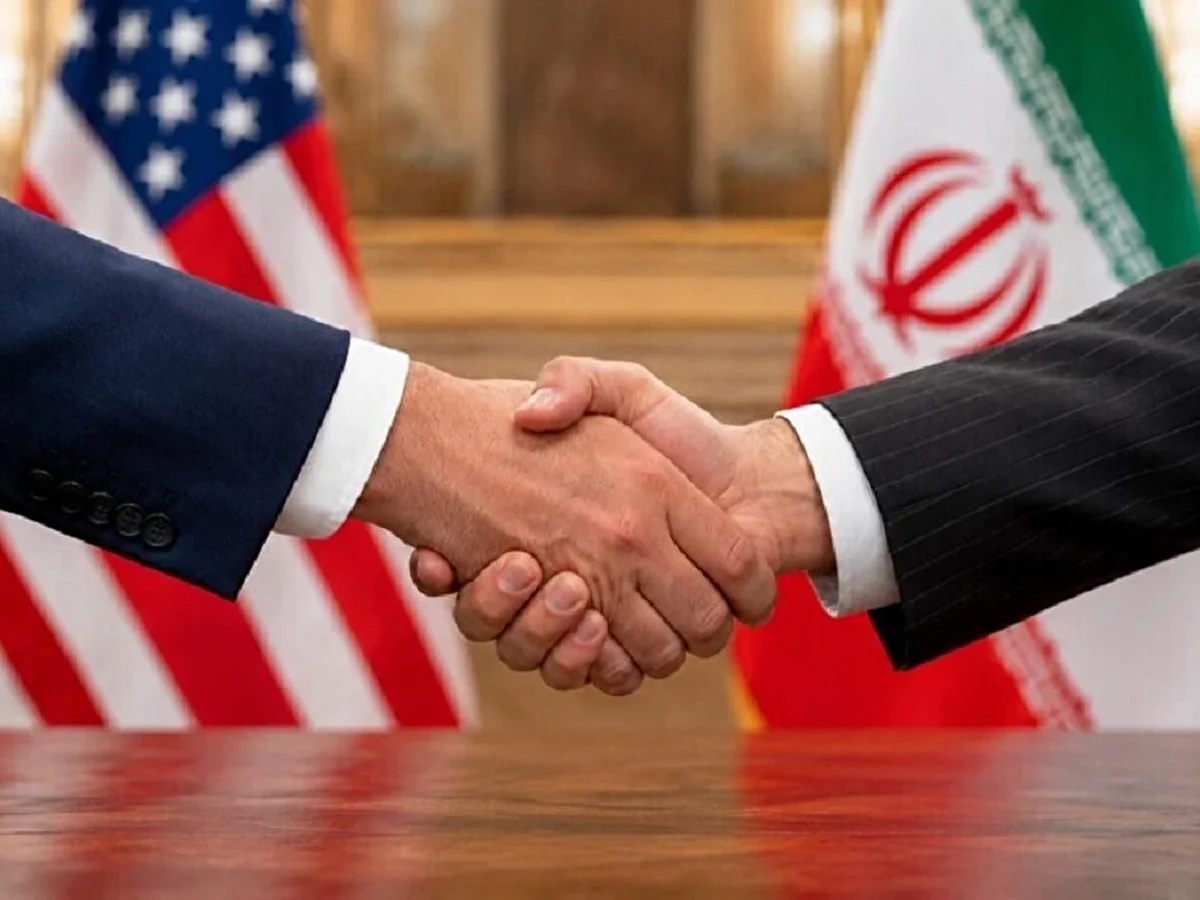
The assumption that has fortified international diplomacy since the end of the Cold War that negotiated ceasefires automatically produce peace has proven to be wrong. Witness the continuing hostilities between the United States and Iran despite the Islamabad Memorandum of Understanding (MoU), it demonstrates that modern wars are no longer fought or concluded solely by governments, but sustained by decentralized command structures, proxy networks, cyber capabilities, economic coercion and competing strategic narratives. While diplomatic efforts continue the ceasefire has repeatedly come under strain, with both sides accusing the other of violating its terms. The fundamental US objectives, Iran’s nuclear programme and regional security architecture, have not been resolved.
During Kamran Khan’s TV program in May 2026 when the war started, I had said that the conflict was unlikely to end with a signature on paper, many scoffed at my assessment as being overly pessimistic. Once the central command structure was decapacitated as meticulously planned earlier, Iran’s military and ideological decision-making became decentralized. When multiple centres of authority are made independent, they easily cannot always be synchronized back under a single command. The removal of a central authority figure in a system built around ideological and security institutions created new uncertainties, intensifying internal power dynamics and widening the scope of the conflict and validating those concerns. Peace today is no longer the absence of war; it is merely the management of continuous confrontation.
As Sun Tzu wrote in The Art of War, “the supreme art of war is to subdue the enemy without fighting.” Wars are not won merely through superior weapons or battlefield strength; they are won through strategic understanding, preparation and the ability to anticipate the intentions of adversaries. The essence of this wisdom lies not in avoiding conflict at all costs, but in recognizing that the greatest victories are achieved through foresight, intelligence, diplomacy and a clear understanding of the strategic environment and reducing it to tactical initiatives. Military action may achieve immediate objectives, but without a comprehensive understanding of political structures, ideological motivations and long-term consequences, it can create new uncertainties rather than lasting stability.
For Pakistan seeking to navigate a rapidly changing strategic environment, these developments carry profound implications. Situated at the crossroads, our country has repeatedly found itself at the centre of global rivalries, regional conflicts and shifting alliances, strategic burdens come with our geography. Pakistan’s security, sovereignty and economic future depend not on reacting to crises but on anticipating them. That requires a clear national vision, institutional cohesion and a comprehensive strategy capable of integrating every instrument of national resilience. What we need is a clear “National Security Strategy”.
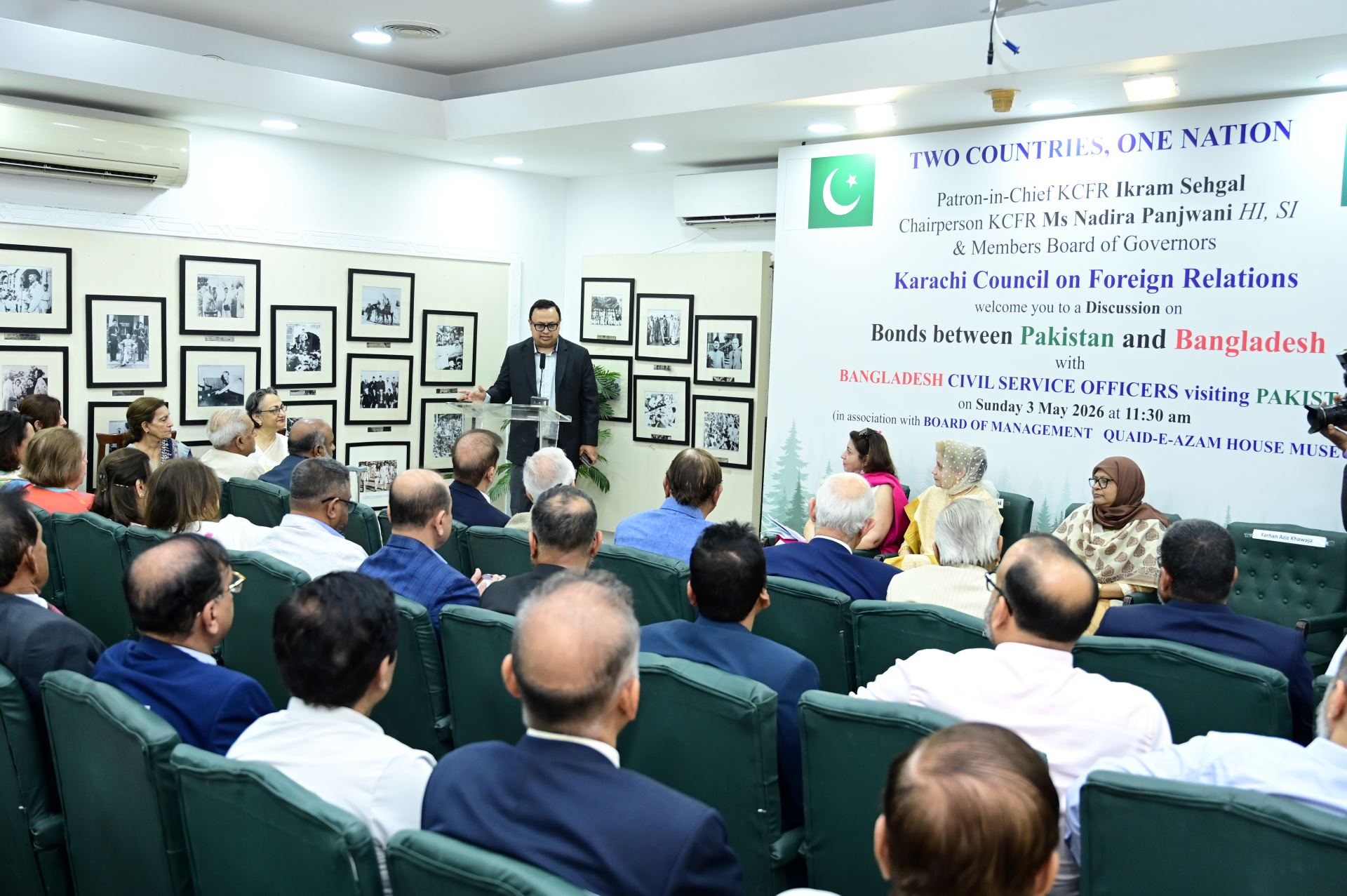
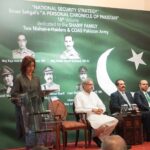
The 16th volume of my A Personal Chronicle of Pakistan series, became much more than a book launch; it evolved into a candid conversation on Pakistan’s future. I remain deeply grateful to the distinguished military officers, diplomats, academics, policymakers, business leaders and friends whose presence transformed the afternoon into an occasion of serious national reflection.
I was humbled by Prof. Dr Huma Baqai’s generous assessment of my work and her thoughtful reminder that comprehensive security ultimately begins with people, their education, welfare, equality and opportunity. Air Marshal (Retd) Masood Akhtar’s recollection that Pakistan lacked even a basic national security policy framework in the early 2000s, and his reminder that I was invited to deliver the National Defence University’s very first lecture on National Security Strategy in 2002, independently not only reaffirmed one of the book’s central themes. His acknowledgment of my intellectual contribution in many fields to the country despite my many influential detractors consumed by envy and jealousy was both generous and deeply meaningful.
The thoughtful observations of Gulmina Bilal Ahmad, Dr Salma Malik, Brigadier (Retd) Mujahid Alam and Dr Chaudhry Faisal Mushtaq further strengthened the book’s central argument that national strength extends far beyond military capability. Human security, economic resilience, institutional strength, education, technology, climate resilience and social harmony are no longer peripheral issues; they are the very foundation of national power.
Former Prime Minister of Pakistan, Shahid Khaqan Abbasi’s remarks carried a special personal significance. His recollection of his uncle, Brig Mohammad Taj, my Commanding Officer during the 1971 War, revived cherished memories spanning more than five decades. Brig Taj was brave beyond words, his leadership during battle was outstanding. Shahid Khaqan Abbassi encouragement to document more of my personal experiences reinforced my conviction that history is shaped not only by institutions but also by the individuals who quietly dedicate their lives to serving the nation.
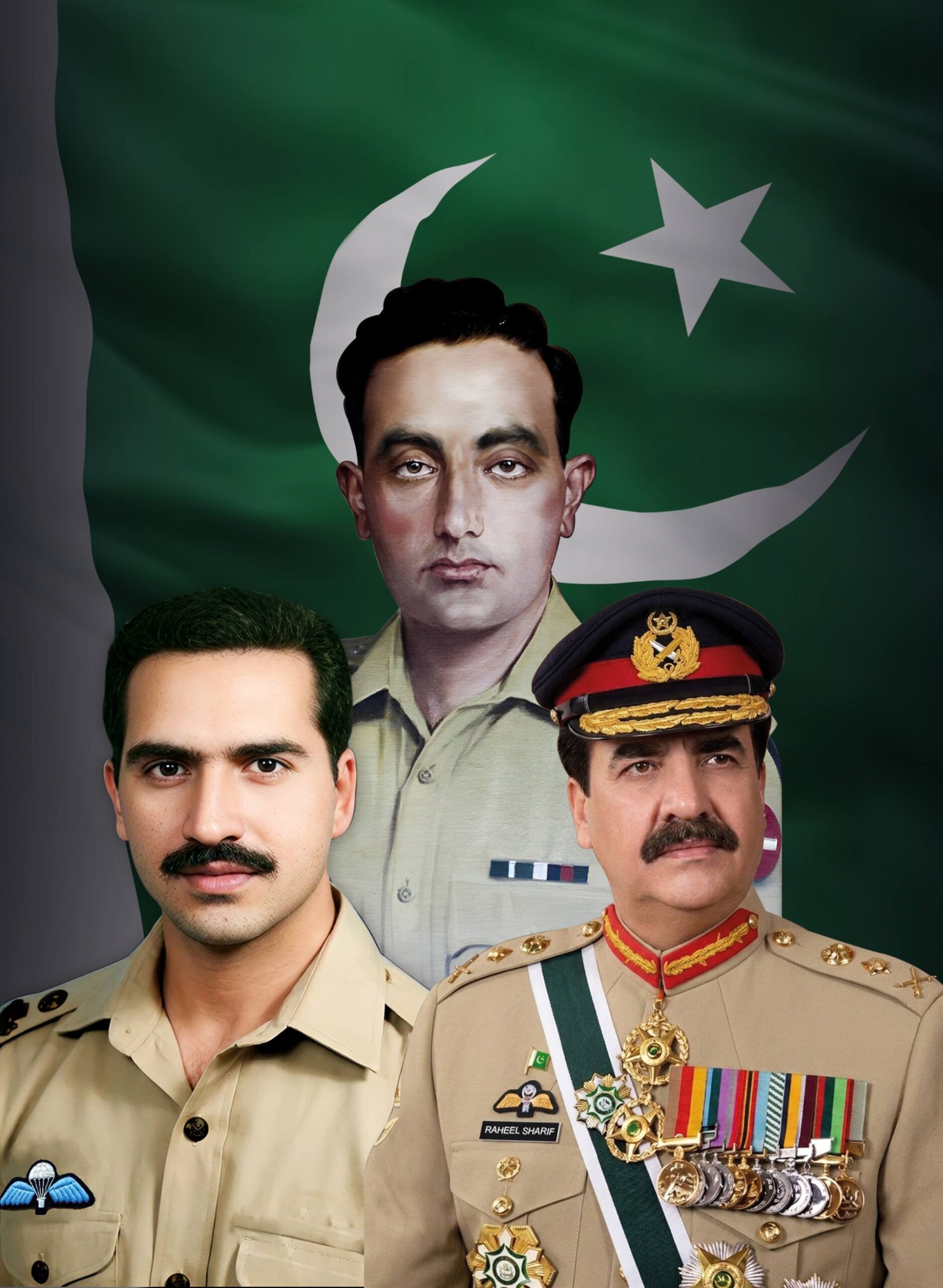
I was especially touched by the sentiments expressed by General (Retd) Raheel Sharif, whose friendship between our families extends back to our childhood in Lahore. His tribute to the generation of soldiers who inspired young officers, his generous appreciation of my journey as a soldier, aviator, author, businessman and defence analyst, and his kind words about my wife and my son, Zarrar, will remain among my most treasured memories. I remain honoured that this volume is dedicated to the martial Sharifs, their affection and friendship have enriched my life for decades. Not everyone agreed on every issue, but every speaker accepted one undeniable reality: Pakistan’s security challenges have become multidimensional and demand equally versatile solutions. If this book succeeds in encouraging honest debate, challenging conventional assumptions and inspiring policymakers to think strategically rather than tactically, then the years spent writing it will have been worthwhile. In an era of accelerating geopolitical competition and technological disruption, there can be no greater national asset than the courage to think ahead.
As the world steadily moves towards a multipolar order, with the centre of economic gravity shifting eastward, Pakistan must first put its own house in order. Our future prosperity will not be determined by aligning unquestioningly with any external power, but by pursuing independent decisions guided solely by Pakistan’s national interest. Investing in education, skills development, youth empowerment, technological innovation and industrialization to produce value-added exports will strengthen the foundations of a resilient economy and a confident nation. As the discussion concluded, one message stood above all others: Our soldiers can protect our frontiers, but only a prosperous economy, an educated population, resilient institutions and a united society can secure our future. Security today requires the integration of traditional defence preparedness with economic, technological and social resilience. While our Armed Forces must continue adapting to hybrid warfare, cyber threats, artificial intelligence and emerging technologies, equal attention must be devoted to food, water and energy security, climate resilience, healthcare, education, good governance, cybersecurity, judicial reforms and institutional efficiency. These are no longer development issues alone, but they are strategic imperatives.
Pakistan has never lacked talent, resources or strategic significance; what it has often lacked is continuity of purpose. I have never subscribed to the politics of despair because our history repeatedly proves that when guided by vision, integrity and national unity, Pakistan rises above every crisis. Our Armed Forces will continue to safeguard our frontiers, but the future will be secured equally in our classrooms, laboratories, factories, farms and institutions. If we invest in our people, embrace technology, strengthen governance and formulate policies based solely on Pakistan’s national interest, we can emerge not merely as a secure state but as a regional leader in peace, connectivity and innovation. That remains the vision behind this book, and it is the Pakistan to which I shall always remain devoted.