



AI, Narratives and the New Information War
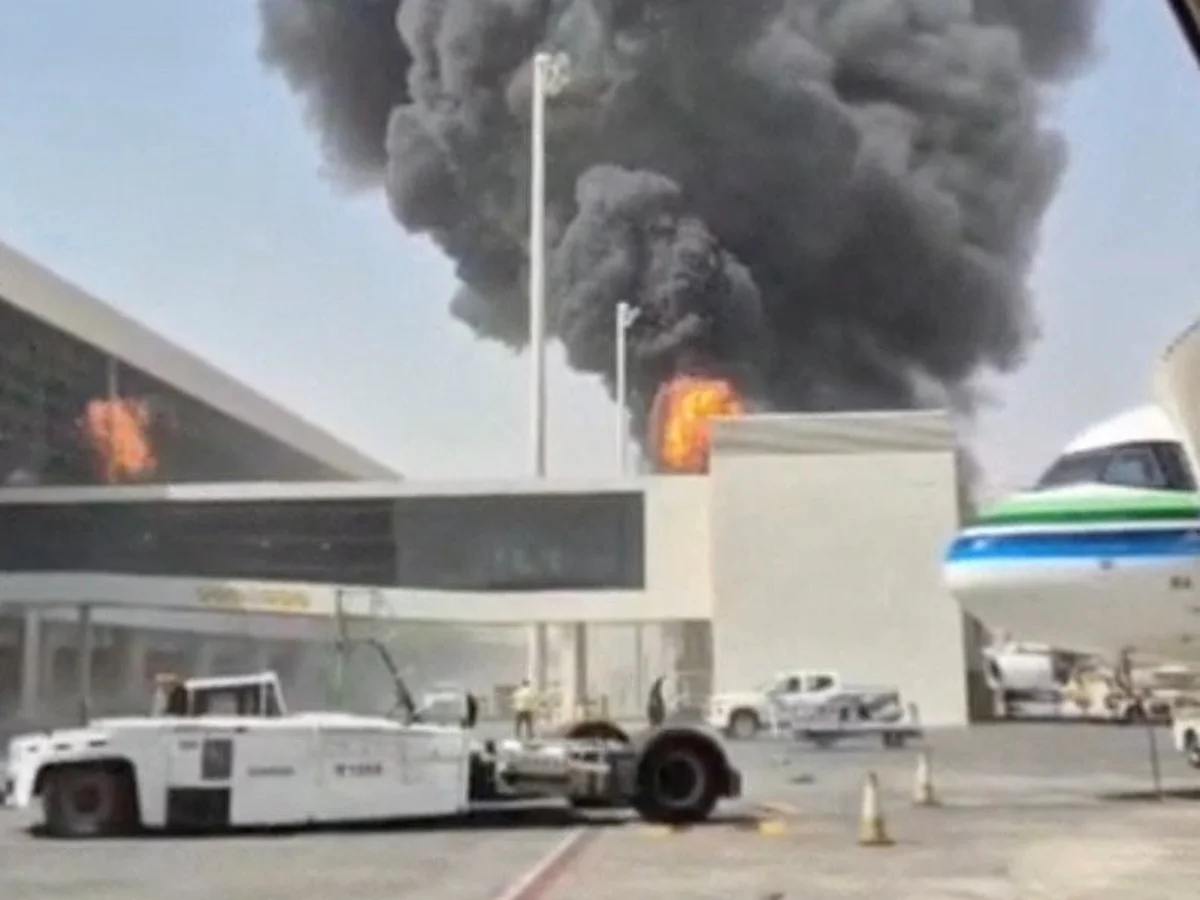
On 8 October 2026, images that appeared to show a burnt-out Saudia airliner at Riyadh’s King Khalid International Airport began circulating on social media. Saudi Arabia’s civil aviation authority later confirmed that a Houthi strike had damaged a Saudia aircraft and killed a pilot and two other Saudi citizens; the most dramatic images, however, were not independently verified. Two days later, a further strike on the airport killed at least 12 people, according to Saudi authorities. By 12 October, the media minister was urging the public to rely on official sources and to stop sharing unverified images of military operations.
That sequence (images first, confirmation later, appeals for restraint last) points to a problem Gulf planners can no longer treat as secondary. Some of the world’s most ambitious state investors in artificial intelligence are not consistently setting the terms of public debate about their own wars.
The argument here is not that the Gulf lacks technology or media reach. It is that much of the region’s digital capacity has been built for economic growth, state services and, in several states, the monitoring of online speech. Influence in a crisis depends on something those investments do not automatically provide: speed, verifiable evidence and credibility with audiences who do not take official statements on trust.
The Gulf has fought over narratives before. During the 1991 Gulf War, live satellite reporting from Baghdad showed regional governments how foreign broadcasters could define a war fought on their doorstep. Qatar launched Al Jazeera in 1996, giving a small state a voice far larger than its size. Saudi-owned Al Arabiya followed in March 2003, weeks before the invasion of Iraq and was widely seen as a counterweight. Both channels rested on a shared assumption: owning the screen meant owning the story.
The 2011 uprisings weakened that assumption, as protesters used mobile phones and social platforms to set the news agenda faster than state broadcasters could respond. In 2017, Qatar said hackers had planted fabricated remarks by the emir on its state news agency; US officials later told The Washington Post that UAE officials had planned the hack, which Abu Dhabi denied, and a GCC rift followed that lasted until 2021. After the 2019 attack on Abqaiq, the Houthis claimed responsibility while Washington and Riyadh blamed Iran; the attack was never formally attributed. In each case, the advantage went to whoever adapted fastest to the medium of the moment, not necessarily to those with the most resources.
The current investment drive is serious. Saudi data-centre capacity grew from 68 MW in 2021 to 467 MW in the first quarter of 2026, according to official Saudi figures reported by Fortune. The state-backed company HUMAIN has released a research preview of a 428-billion-parameter Arabic model, developed with China’s MiniMax. The UAE is building a large AI campus with OpenAI, Oracle, Nvidia and other partners.
These projects serve economic diversification, cloud services and state efficiency; they are not in themselves, an information strategy. They are also exposed. In March, Amazon Web Services said two of its UAE data centres were directly struck by drones and a facility in Bahrain was damaged by a nearby strike; six months later, the company said it still could not restore service. Compute capacity is now a military target as well as an economic asset. The gap, in other words, lies in purpose rather than scale.
Official communication in this war has leaned on rebuttal and restriction. When the Houthis claimed a strike on an Aramco facility near Riyadh on 3 October, the coalition spokesman dismissed the claim as misleading. Days later, the US embassy said American citizens had been detained for photographing recent events and relayed a Saudi warning that filming or sharing material on missile and drone interceptions and their impact sites carried legal liability. Foreign residents separately told AFP that acquaintances had been held for filming and posting footage.
Some limits are sound, since images of impact sites can help an adversary adjust its targeting. But broad restrictions leave a gap, and in a crisis that gap is rarely left empty. Borrowing from the idea of surveillance capitalism, several Gulf governments have invested in watching online speech, as documented in cases ranging from the UAE’s Project Raven to Saudi-linked spyware used against a dissident abroad. Such tools can identify who posted a video. They cannot by themselves persuade a sceptical audience that the official account is accurate. The risk is a system that sees a great deal and explains very little.
Houthi messaging works on a different logic: it is cheap, fast and framed around siege and blockade, a theme the group placed at the centre of a “new phase” of confrontation with Saudi Arabia in June. X has removed the account of its military spokesman, Yahya Saree, at least twice, most recently in August, yet the group’s claims still reach audiences through outlets such as Al-Masirah TV. Allies amplify the frame: after the airport strike, Iraq’s Kata’ib Hezbollah congratulated the Houthis on their operations against Saudi territory and demanded an end to what it called the blockade of Yemen.
Iran is also part of this contest. A Middle East Council on Global Affairs brief argues that Tehran waged a disinformation campaign against GCC states during the spring war to justify its strikes, though the same analysis credits coordinated Gulf messaging with undercutting it. Synthetic media has added to the noise; in March, X said it would suspend creator payments for 90 days for users who post undisclosed AI-generated videos of armed conflict. How far any of this shifts opinion is hard to measure; the Houthi advantage lies less in proven persuasion than in speed and a simple, consistent frame.
A reasonable objection is that Gulf states own some of the most influential Arabic media in the world. But reach is not trust. Early images can anchor perception before an authoritative account arrives, and a well-resourced outlet that arrives second still arrives second.
Four steps would narrow the distance between capability and credibility. First, speed with proof: a designated official channel should publish time-stamped, verifiable imagery and casualty figures quickly and revise them openly. The Riyadh toll, first given as 12 and later reported as 14, shows why visible correction matters. Air-defence positions can be withheld without withholding evidence of civilian harm.
Second, Arabic AI models such as HUMAIN’s could help analysts track claims and spot coordinated inauthentic activity at scale. They cannot establish truth and they produce false positives, so any such system needs human verification, published criteria and independent oversight, and should answer with evidence rather than takedowns. Treating legitimate criticism as disinformation would destroy the credibility it is meant to build.
Third, controlled transparency would strengthen Riyadh’s own case. The UN Secretary-General described the 10 October strike as an attack on civilians and civilian infrastructure in violation of international law. Credible documentation of that harm, including access for independent journalists, reinforces such positions, so restrictions should be narrow, published and limited to operational details.
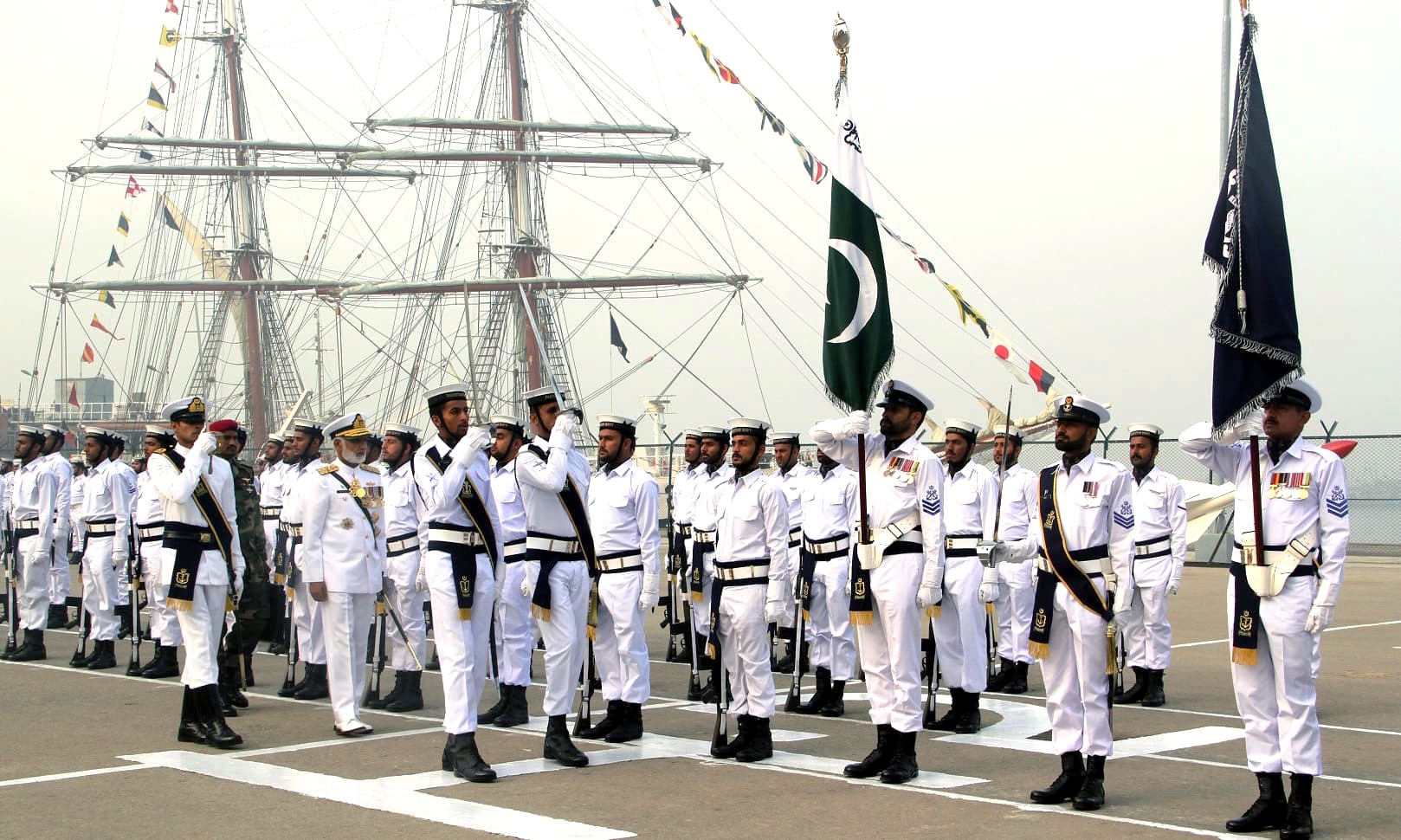
Fourth, coordination should move from aligned statements to shared verification. GCC information officials met in emergency sessions in March to coordinate messaging, yet in April the senior UAE official Anwar Gargash called the GCC’s political and military position during the war “the weakest in history”. A joint verification desk sharing imagery and attribution evidence would add substance to common positions. With Pakistan’s military saying its forces are already in the kingdom and Turkey weighing air-defence and technical support under the Mecca alliance, cooperation could extend to verification and consistent communication rather than joint propaganda; Pakistan’s experience of competing wartime claims during its May 2025 confrontation with India is relevant.
The Gulf has the money, the data centres and, increasingly, its own models. The current war shows these are necessary but not sufficient. Credibility in a crisis is built before the crisis, through rules that allow evidence to be shown, corrected and checked. Missiles and drones test air defences; narratives test legitimacy. Until Gulf states treat the second test as seriously as the first, they will keep answering stories that others have already told.